Your Gateway to Elite Forex Deals
Discover exclusive broker promotions, powerful trading tools, and insights to trade smarter.
Offers Worth Your Attention
Hand-picked promotions, cashback, and risk-protection deals - updated monthly by our team.
ForexDealsPro Cashback
Up to $11 back per lot, via XM
- Paid on every trade, win or lose
- Automatic, no claims needed
- Real, verified rebate rates
- No extra cost to trade
1st Trade Secured
Covered up to $100, via TradeRise
- Loses? You get covered
- Wins? You keep the profit
- No minimum deposit required
- One-time offer per account
No-Deposit Bonus
$30 free to trade, via XM
- No deposit required to start
- Trade real market conditions
- Withdraw eligible profits
- Sign-up takes under 5 minutes


Get Paid on Every Trade You Make
Earn rebates on every trade you execute. Cashback rates are transparent, automatic, and paid straight into your account.
All Broker Promotions
All current promotions · Filter by broker below
Brokers Review
Regulated, reviewed, and independently rated - compare in seconds
Broker Comparison Table
Regulated, reviewed, and independently rated - compare in seconds
| Broker | Est. ▲ | Spread EUR/USD ▲ | Min. deposit ▲ | Regulation | Platform | Trustpilot Rating ▲ | Action |
|---|
Best Forex Brokers by Country
Regulated brokers that accept traders in your country — hand-picked by region, with local deposit methods and the best deals for each market.


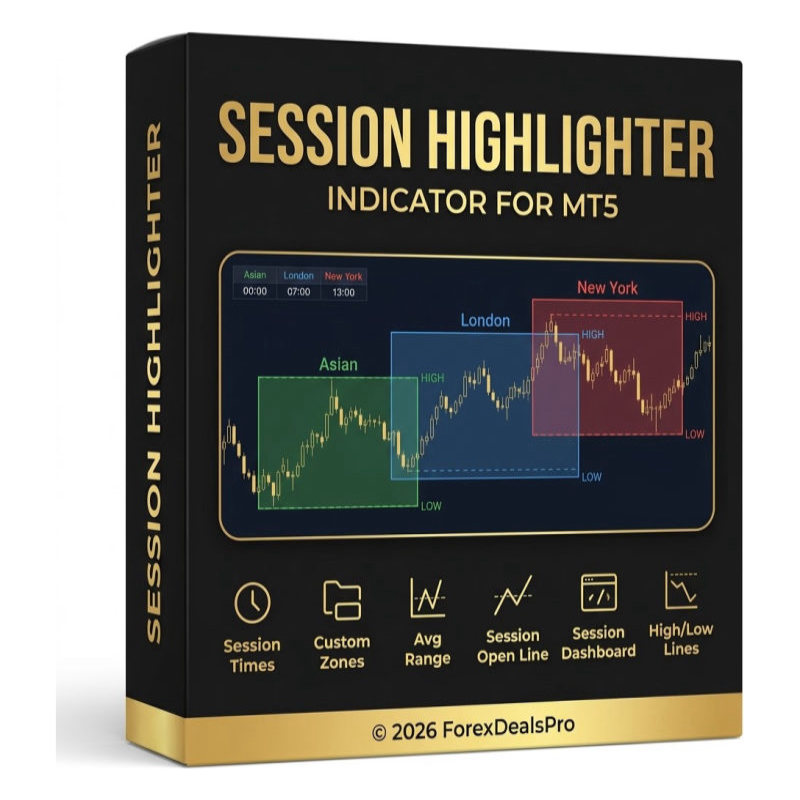
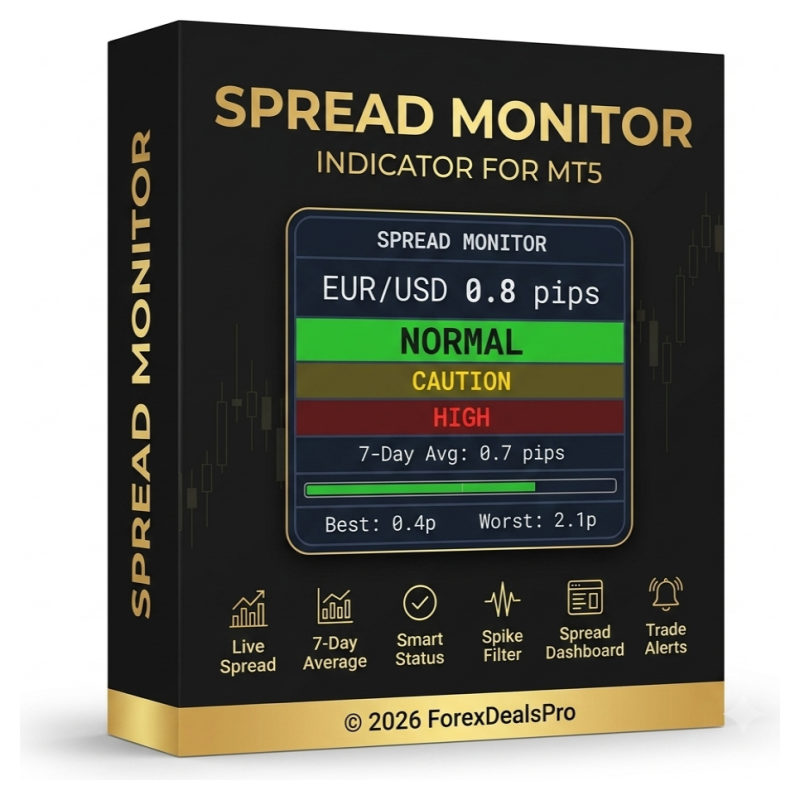
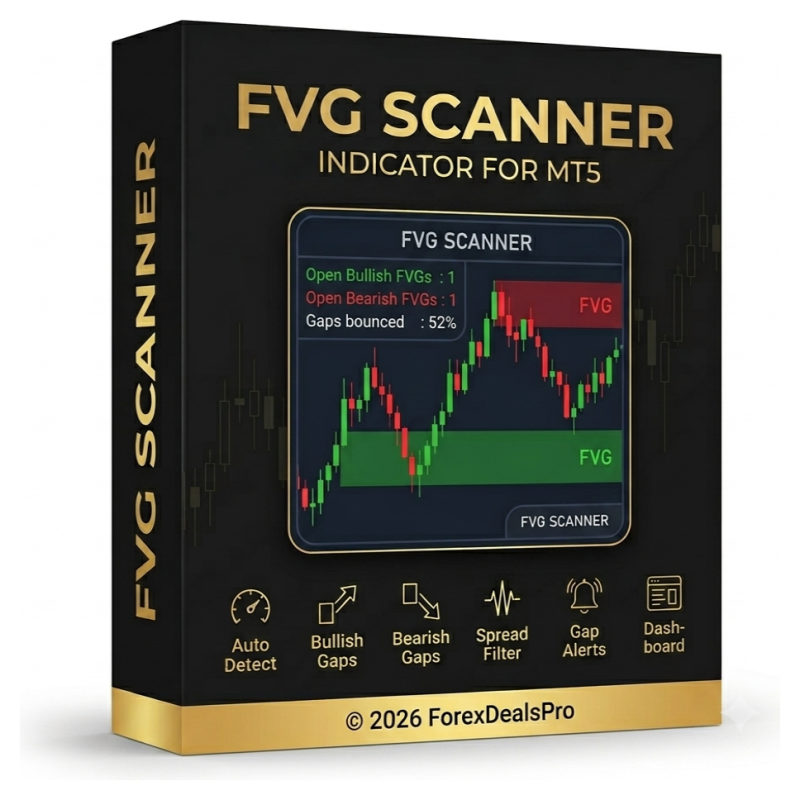
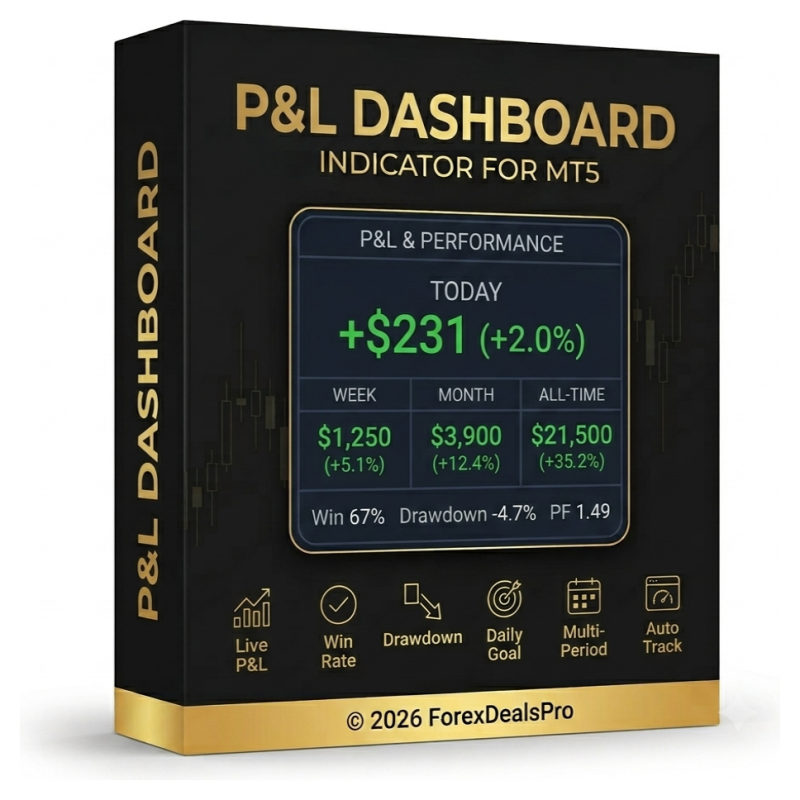
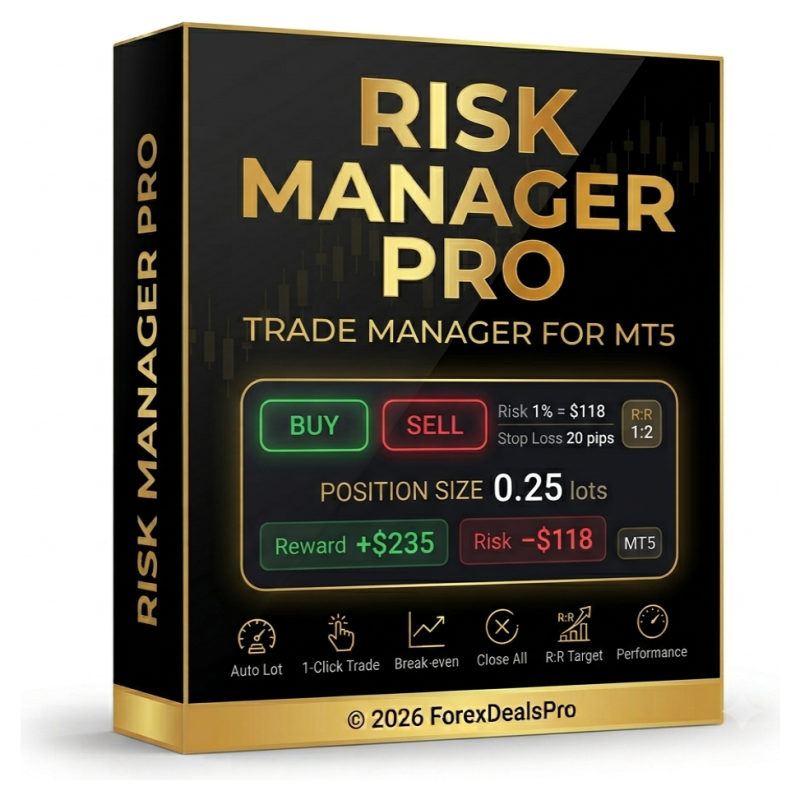
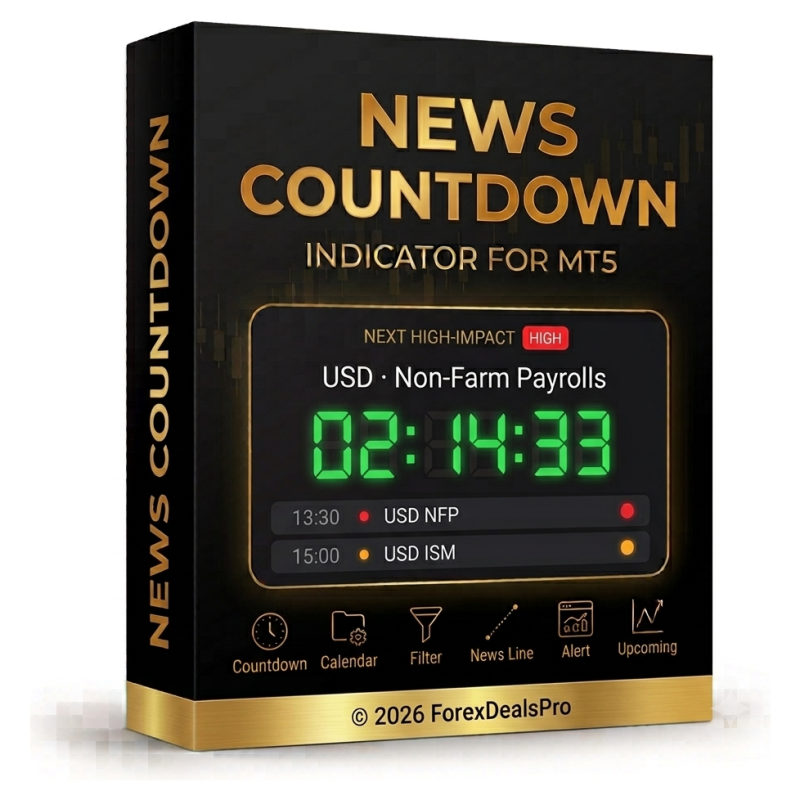
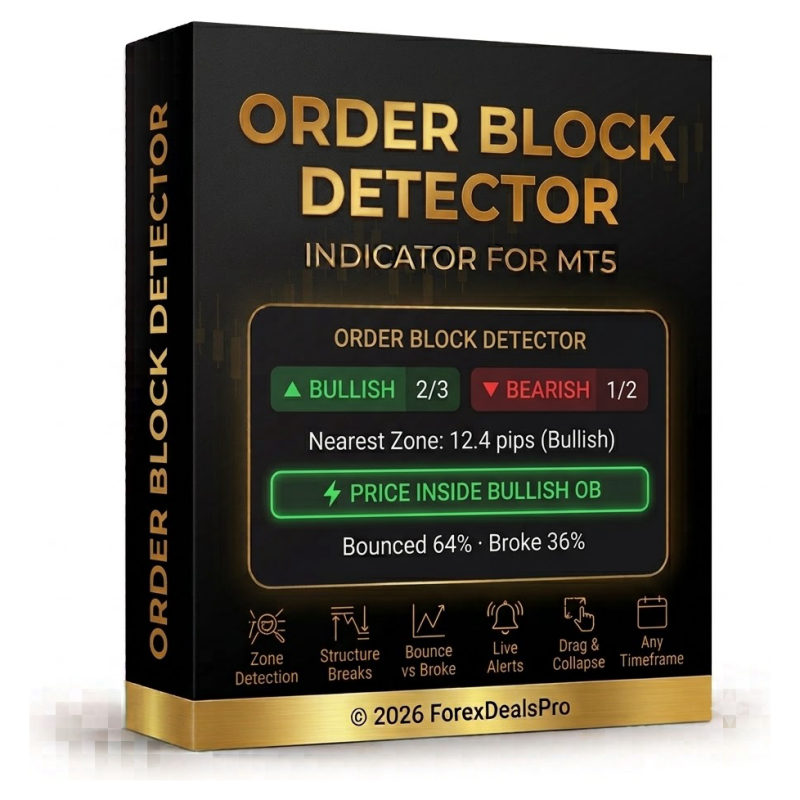
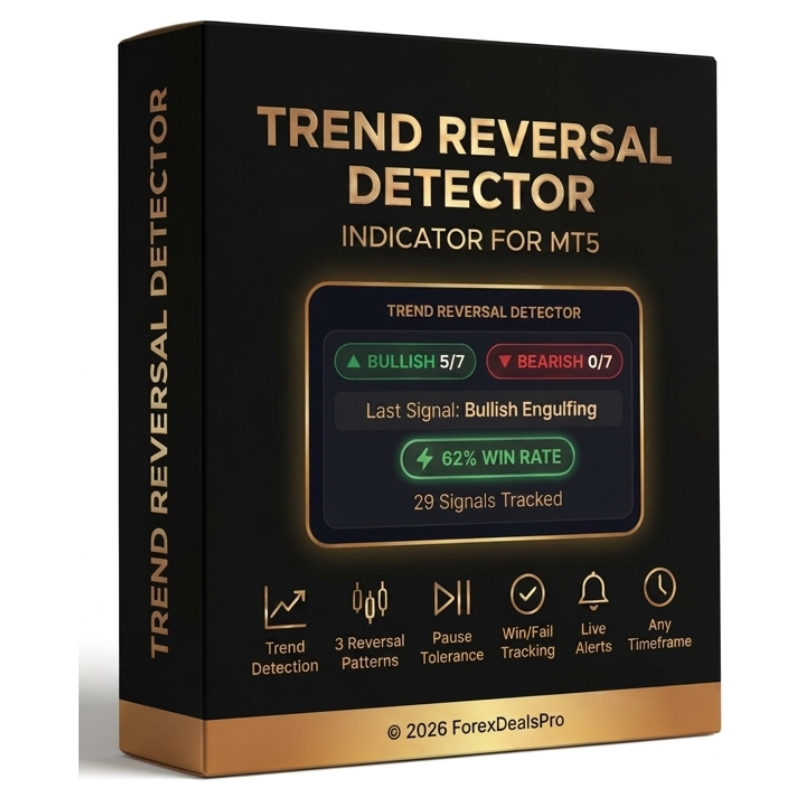
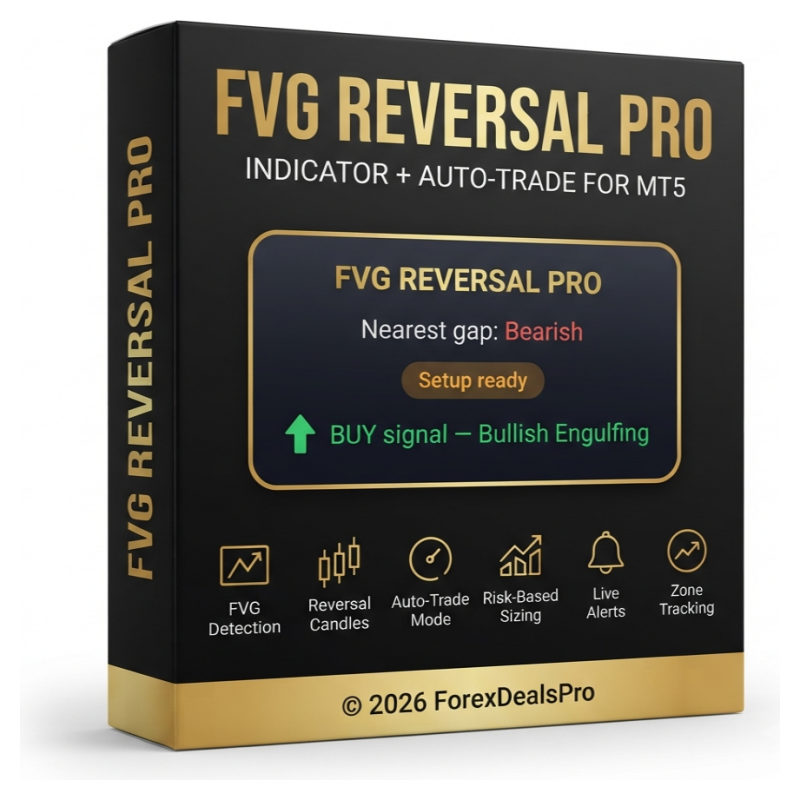
MT4/MT5 Indicators & Expert Advisors
A growing library of professional MT5 indicators and Expert Advisors, built in-house to give you a genuine trading edge — and many are free to download.
Cashback - The Smart Way to Reduce Your Trading Costs
You earn on every trade.
Regardless of the outcome.
Cashback is a rebate paid on the spread or commission of every trade you execute - whether the trade wins or loses. It's the only trading benefit that never depends on market direction. The more you trade, the more you earn back, automatically.
How to start earning



Forex Trading in Africa 2026: Regulation, Growth and Brokers
The African Forex Boom
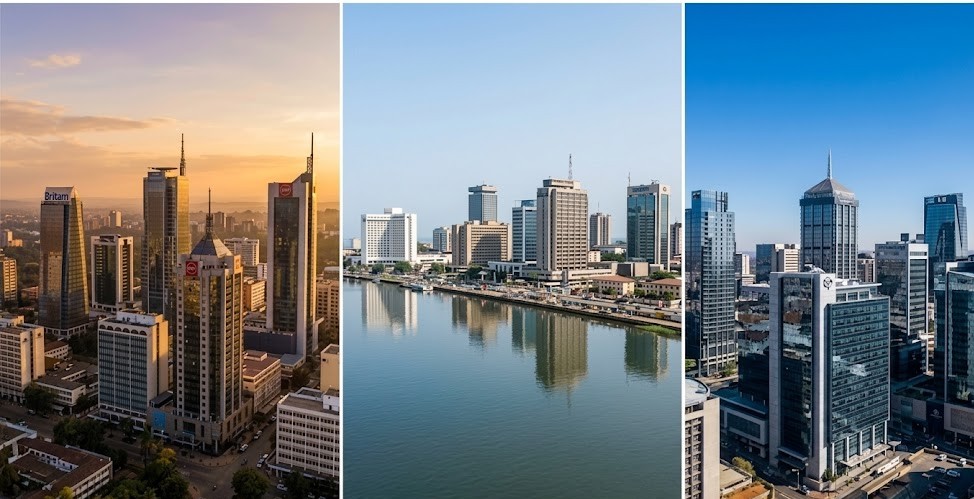
Africa is emerging as one of the world's fastest-growing retail forex markets. The global forex market now trades an estimated $9.6 trillion daily, up 28% from three years prior according to the Bank for International Settlements Triennial Survey published in September 2025. Africa is one of the regions driving the growth in retail participation.[1]
Industry data and broker registration trends across Sub-Saharan Africa and North Africa indicate that retail forex participation has grown substantially over the past five years. The African forex market has been experiencing approximately 30% year-on-year growth in retail trading since 2023, driven by a combination of economic development, rising incomes, expanding mobile infrastructure, and a young, financially active population.[2]
South Africa remains the continent's most developed retail forex market, with the FSCA requiring all OTC derivative providers to hold a formal licence. Nigeria, Kenya, Ghana, and Egypt have also seen rapid growth in retail trading activity in recent years. Kenya's regulated space has surged substantially since the CMA framework took full effect, with over 100,000 active retail participants recorded as of 2025. Nigeria's growth has been driven by naira depreciation, growing financial awareness, and expanding digital payment infrastructure.
Why Forex Trading is Growing Across Africa
The growth of retail forex participation across Africa is not driven by a single factor.
- A rising middle class with growing disposable income: The African Development Bank estimates that over 350 million Africans now fall into the middle-class category, expanding faster than anywhere else in the world. African consumer expenditure is projected to reach $2.5 trillion by 2030. With rising incomes comes capital looking for a home, and forex trading with its low minimum entry points is one of the most accessible instruments available.[3]
- Improving economies and macroeconomic reform: Several major African economies have undergone meaningful structural reforms in recent years. In Nigeria, fiscal reforms and easing inflation have restored consumer purchasing power and business confidence. Sub-Saharan Africa grew at 4.5% in 2025, the fastest pace in a decade, and is projected to grow 4.3% in 2026 (IMF April 2026 Regional Economic Outlook).[4]
- Currency volatility creating demand for hard-currency exposure: In countries like Nigeria, Ethiopia, Egypt, and Zimbabwe, persistent local currency depreciation has made USD-denominated assets, including forex accounts, an increasingly attractive hedge for personal savings. This is not speculative demand.
- Growing financial literacy and investment culture: A generational shift in financial awareness is underway across Africa. Nigeria, Ethiopia, Kenya and South Africa rank among the top thirty countries globally in cryptocurrency adoption (Chainalysis 2024 Global Crypto Adoption Index). Many young African traders arrive at forex already familiar with mobile money, digital payments, and crypto, making the transition a natural progression.[5]
- Youth demographics: The African continent has the world's youngest population, with a median age of approximately 19.5 years (UN Population Division, World Population Prospects 2024 Revision). Sub-Saharan Africa accounts for more than half of global population growth projected through 2050.[6]
- Low minimum deposits: International brokers have aggressively reduced minimum deposit requirements for African clients, in some cases to as low as $5 to $20. This has opened forex trading to a much wider income segment than was previously accessible, particularly in markets such as Tanzania, Uganda, and Ghana.
- Social media and community: Forex trading communities on WhatsApp, Telegram, Facebook, and TikTok have expanded rapidly across Nigeria, Kenya, and South Africa, creating channels that drive both education and broker account openings.
- Broker expansion into Africa: International brokers continued to expand African-market infrastructure in recent years, adding local payment methods, multi-language support, regional offices, and partnerships with African introducing brokers.
Leading African Forex Markets
Market maturity, regulatory frameworks, and key developments by country (2025 and 2026).
| Country | Market Maturity | Primary Regulator | Key Regulatory Development | Notable Factor |
|---|---|---|---|---|
| South Africa | Established | FSCA | Growing OTC derivatives licensing framework | Most regulated retail forex market on the continent |
| Kenya | Established | CMA Kenya | Over 12 licensed brokers as of 2026, up from 1 in 2019; new licences issued throughout 2025 and into 2026 | One of Africa's most active dedicated online forex licensing frameworks, with regulations introduced in 2017 and amended in 2023 |
| Nigeria | Developing | SEC Nigeria | ISA 2025 signed into law March 2025 | NGN devaluation accelerating demand for USD-denominated accounts |
| Egypt | Developing | EFSA | Framework under development | EGP depreciation driving demand; strong Arabic-language broker presence |
| Ghana | Emerging | SEC Ghana | Draft guidelines presented to industry stakeholders February 2026; enforcement against unlicensed operators intensifying | Cedi volatility increasing; mobile payments integration widening access |
| Tanzania | Emerging | CMSA | Framework under development | Fastest-growing mobile-first trading base in East Africa |
How Mobile Technology is Driving Forex Growth in Africa
Perhaps the single most important enabler of Africa's forex boom is mobile technology. According to the GSMA State of the Industry Report on Mobile Money 2026, the most comprehensive annual review of mobile financial services globally, more than $2 trillion flowed through mobile money wallets globally in 2025, with $1.4 trillion of that transacted in Sub-Saharan Africa alone. Sub-Saharan Africa and North Africa combined held 1.2 billion registered mobile money accounts in 2025, more than half of the global total of 2.3 billion.[7]
The overwhelming majority of African retail forex traders access their platforms, execute trades, and manage deposits and withdrawals entirely via mobile devices. This sets African retail trading apart from European and North American markets where desktop remains dominant.
Mobile payment integration has been equally critical. M-Pesa, Safaricom's mobile money platform, processed KSh 41.68 trillion in transactions in the fiscal year ending March 2026, cementing its position as one of the world's most significant mobile payment infrastructures and a critical on-ramp for Kenyan and East African forex traders.[8] MTN Mobile Money and Airtel Money have performed a similar function across West and Central Africa, enabling traders to fund broker accounts without traditional bank accounts.
The Regulation Landscape Across Africa
Regulation across African forex markets is uneven — see our Forex Broker Regulation Explained guide for what to check before trusting any licence claim. South Africa has the most developed framework. The FSCA requires all OTC derivative providers serving South African retail clients to hold an FSP licence and an OTC Derivative Provider (ODP) authorisation under South African financial services legislation. This framework provides meaningful protections including capital adequacy requirements and mandatory negative balance protection for retail clients. The FSCA regulated entities register is publicly searchable at fsca.co.za/Regulated-Entities. The FSCA has been actively enforcing ODP compliance in recent years, fining brokers operating without proper authorisation and debarring signal providers conducting financial services without licences — signals that the regulatory framework is maturing beyond registration to active supervision.[9] Our South Africa broker page compares FSCA-regulated options.
Kenya's CMA has taken a proactive approach since introducing its Online Foreign Exchange Trading regulations in 2017, subsequently amended in 2023, making Kenya the first African country to establish a comprehensive regulatory framework for online forex trading. The number of CMA-licensed non-dealing online forex brokers has grown from a single licensee in 2019 to ten as of 2025, with new licences issued throughout 2024 and 2025, reflecting both growing international broker appetite for the Kenyan market and the CMA's increasing enforcement capacity. All brokers legally offering forex trading to Kenyan residents must hold a CMA licence. The CMA has issued public warnings and prosecution notices against unlicensed operators, making Kenya one of the more actively enforced retail forex markets in Africa.[10] Our Kenya broker page covers CMA-licensed options.
Nigeria, Ghana, and Egypt are at earlier stages of dedicated retail forex regulation. In Nigeria, the Securities and Exchange Commission enacted the Investment and Securities Act (ISA) 2025, signed into law in March 2025, which formally extends SEC jurisdiction to online forex trading platforms and intermediaries under Section 3(3)(i). As of 2026, the SEC is actively developing implementing regulations under the ISA 2025, with formal broker-specific guidelines anticipated in the near term.[11] Our Nigeria and Ghana broker pages cover both markets in detail.
The practical implication is straightforward. African traders should prioritise brokers that hold at minimum one of the following licences relevant to their country of residence: FSCA for South Africa, CMA for Kenya, or a tier-1 international licence such as FCA, ASIC, or CySEC.
What to Look for When Choosing a Broker
When selecting a broker for trading from Africa, the following criteria are particularly important:
- Regulation first: Regulation is the single most important criterion when choosing a broker. South African traders should prioritise brokers holding an FSCA licence and ODP authorisation. Kenyan traders should choose a CMA-licensed broker. For traders in countries without a local retail forex framework, look for a broker licensed by the FCA, ASIC, or CySEC. Years of operation and a clean enforcement record are supporting signals of credibility.
- Trading conditions: Spreads, execution quality, and commission structure vary significantly between brokers and directly affect your profitability on every trade. For active traders, even a small difference in spread accumulates materially over time. When evaluating brokers, compare the spreads offered on the currency pairs you intend to trade most frequently, check whether the broker operates on an STP or market-maker execution model, and where possible look for independent data on execution speed and slippage rather than relying solely on broker-published figures.
- Account base currency: Not all brokers offer local currency accounts for African traders. A ZAR-denominated account for South African traders, an NGN-denominated account for Nigerian traders, or a KES-denominated account for Kenyan traders eliminates currency conversion fees on deposits and withdrawals and supports local bank transfers directly. Funding a USD account from Nigeria, for example, can result in 7 to 10% losses in conversion charges alone. Before opening an account, confirm whether the broker supports your local currency as the base denomination and, if you are in a high-depreciation market, whether a USD-denominated account is also available.
- Deposit and withdrawal speed: African traders are accustomed to near-instant transfers via M-Pesa, MTN Mobile Money, and other mobile platforms. A broker that takes three to five business days to process a withdrawal is incompatible with this expectation. Verify processing times before opening an account. Instant or same-day withdrawals via local mobile money should be the standard you hold brokers to.
- Local payment methods: Confirm the broker accepts deposits and processes withdrawals via your preferred local payment method, whether M-Pesa, a bank transfer in your local currency, OPay, Flutterwave, or mobile money more broadly. Limited payment infrastructure is a common source of frustration and should be assessed before depositing.
- Mobile platform quality: Given that the majority of African traders access their accounts via mobile, the quality and reliability of a broker's mobile app is a practical priority, not a secondary consideration.
- Customer support: Look for brokers with multilingual support including French for Francophone West Africa, Arabic for North Africa and the Middle East, and local languages where available. Response time on deposit and withdrawal queries is a practical test of support quality.
For a complete step-by-step framework covering every factor you should evaluate before depositing with any broker, read our full guide: How to Choose a Forex Broker: The Complete Guide for Beginners.
Risks African Traders Should Be Aware Of
The growth of retail forex trading in Africa has attracted both legitimate brokers and fraudulent operators. African traders, particularly in Nigeria, South Africa, and Kenya, have been disproportionately targeted by forex scams, unregulated signal sellers, and Ponzi schemes marketed as trading programmes. Our Forex Broker Scam Warning guide covers how to verify a broker's legitimacy before depositing.
Specific risks to be aware of:
- Unregulated brokers: Brokers with no verifiable regulatory licence, or with licences from minimal-oversight jurisdictions such as Vanuatu, St. Vincent and the Grenadines, or the Marshall Islands, provide little legal recourse in the event of a dispute or withdrawal refusal.
- Social media influencers promoting without knowledge or authorisation: One of the fastest-growing risks in African retail forex markets is the proliferation of social media accounts promoting forex trading without any verifiable expertise, regulatory authorisation, or accountability. These influencers frequently display fabricated trading results, promise guaranteed returns, and recommend brokers based on undisclosed referral fees rather than genuine assessment. The FSCA in South Africa and the SEC in Nigeria have each issued specific public warnings about unauthorised forex promoters on social media. Before acting on any recommendation seen on TikTok, Instagram, YouTube, or WhatsApp, verify whether the person holds any regulatory authorisation to provide financial advice.
- Signal and copy-trade scams: Signal sellers frequently market guaranteed returns and display fabricated trading records. Anyone publicly promising consistent profits as a certainty is either uninformed or deliberately misleading.
- Trading without adequate education: Leverage is a legitimate and powerful tool when used correctly. It allows traders to take meaningful positions with smaller amounts of capital and is central to how retail forex works globally. The risk is not leverage itself but trading with leverage without the knowledge and discipline to manage it properly. Without understanding position sizing, margin requirements, and risk per trade, leverage accelerates losses just as readily as it can amplify gains. African traders entering the market should invest seriously in education before trading real capital, regardless of how simple brokers make the sign-up process appear.
- Withdrawal restrictions: Some brokers impose excessive withdrawal conditions, including minimum withdrawal amounts, bonus volume requirements, and undisclosed currency conversion fees. Always read the full withdrawal terms before depositing any funds.
The safest approach for any African trader is to start with your own country's regulatory framework if one exists. South African traders should use FSCA-licensed brokers. Kenyan traders should use CMA-licensed brokers. For traders in countries without a dedicated local retail forex regulatory framework, a broker regulated by the FCA, ASIC, or CySEC provides the strongest available protection. Regardless of your location, never invest more than you can afford to lose completely, and avoid any service that promises fixed monthly returns or guaranteed profits.
References
- Bank for International Settlements: OTC Foreign Exchange Turnover in April 2025, Triennial Central Bank Survey (September 2025): bis.org/statistics/rpfx25_fx.htm
- Africa Forex Trading Expo 2026: Industry Data on Africa Retail Forex Growth (January 2026): ffnews.com
- African Development Bank: Africa's Rising Middle Class and Consumer Expenditure Projections (2025): afdb.org
- IMF Regional Economic Outlook: Sub-Saharan Africa, April 2026: imf.org
- OECD: Africa Capital Markets Report 2025 (citing Chainalysis 2024 Global Crypto Adoption Index): oecd.org
- UN Population Division: World Population Prospects 2024 Revision: data.worldbank.org
- GSMA: State of the Industry Report on Mobile Money 2026 (March 2026): gsma.com/sotir
- Safaricom Group FY2026 Annual Results (May 2026): safaricom.co.ke
- FSCA: Regulated Entities, OTC Derivatives Providers Register: fsca.co.za/Regulated-Entities
- Capital Markets Authority Kenya: Capital Markets (Online Foreign Exchange Trading) Regulations 2017, amended 2023: kenyalaw.org
- Nigerian SEC: Investment and Securities Act 2025 (signed March 2025): sec.gov.ng
- CMA Kenya: Licensees Register, Non-Dealing Online Forex Broker category (2026): licensees.cma.or.ke
- SEC Ghana: Draft forex trading guidelines presented to industry stakeholders, February 2026 — Citi Newsroom: citinewsroom.com
All data verified May 2026. Regulatory frameworks and market figures subject to change. Readers should verify the current regulatory status of any broker at the relevant regulator's official website before depositing funds.
Frequently Asked Questions
Yes. Forex trading is legal across most African countries, though the regulatory framework varies by country. South Africa and Kenya have established licensing frameworks through the FSCA and CMA respectively. Nigeria, Ghana, and Egypt are developing formal frameworks, with Nigeria's ISA 2025 now formally bringing online forex platforms under SEC jurisdiction. Always verify that your broker holds a valid local licence or a recognised international licence such as FCA or ASIC.
Forex trading carries significant risk. For beginners, the most common pitfalls are insufficient education, using leverage before understanding how to manage it, and choosing unregulated brokers. Start with a demo account, choose a regulated broker, and invest time in proper education before committing real capital.
Start with your own country's framework if one exists. South African traders should use FSCA-licensed brokers. Kenyan traders should use CMA-licensed brokers. For traders in countries without a local retail forex framework, the FCA, ASIC, and CySEC are the most recognised international regulators. Avoid brokers licensed only in Vanuatu, St Vincent and the Grenadines, or the Marshall Islands — these jurisdictions provide minimal client protection.
Several factors are converging: a rising middle class with growing disposable income, improving economies and macroeconomic reforms across major markets, local currency volatility driving demand for hard-currency assets, growing financial literacy among a young digitally connected population, and mobile payment infrastructure that makes account funding increasingly seamless.
African markets have been disproportionately targeted by fraudulent operators including unregulated brokers, social media influencers promoting forex without expertise or regulatory authorisation, and signal sellers promising guaranteed returns. Trading with leverage without adequate education and risk management knowledge is also a significant and common risk. The FSCA and Nigerian SEC have each issued public warnings about fraudulent forex schemes in their respective jurisdictions.
$1.4 trillion flowed through Sub-Saharan African mobile money wallets in 2025, representing 66% of global mobile money transaction value (GSMA, 2026). The majority of African retail forex traders access platforms and manage their accounts entirely via mobile devices. Mobile app quality, local payment method support, and withdrawal speed are therefore primary criteria when evaluating brokers, not secondary ones.
About Us
Your trusted gateway to elite forex deals, broker reviews, and smarter trading.
What We Do
We research, verify, and curate the best broker deals, cashback programmes, and trading promotions available in the market, updated regularly so you always have access to what is current and relevant. Alongside our deals, we publish independent broker reviews built on objective criteria: regulatory standing, trading conditions, platform quality, and client protections.
Who We Are
ForexDealsPro is run by a dedicated team of trading and finance professionals with over a decade of combined market experience. That hands-on knowledge informs everything we publish, from the brokers we feature to the way we explain complex trading concepts in plain language.
We operate as an affiliate information platform. We earn a commission when you open an account through our links, at no additional cost to you. This model allows us to keep the platform free, independent, and focused entirely on trader value.
Our Standards
- We only feature brokers regulated by recognised financial authorities
- Every deal and promotion is verified before publication
- Broker ratings are independent and never influenced by commercial relationships
- Affiliate partnerships are always disclosed transparently
Our Editorial Process
All articles published on ForexDealsPro are thoroughly researched using primary regulatory sources, industry reports, and reputable financial publications, then verified for accuracy before publication. Our editorial team holds combined experience in forex trading, financial analysis, and compliance.