Your Gateway to Elite Forex Deals
Discover exclusive broker promotions, powerful trading tools, and insights to trade smarter.
Offers Worth Your Attention
Hand-picked promotions, cashback, and risk-protection deals - updated monthly by our team.
ForexDealsPro Cashback
Up to $11 back per lot, via XM
- Paid on every trade, win or lose
- Automatic, no claims needed
- Real, verified rebate rates
- No extra cost to trade
1st Trade Secured
Covered up to $100, via TradeRise
- Loses? You get covered
- Wins? You keep the profit
- No minimum deposit required
- One-time offer per account
No-Deposit Bonus
$30 free to trade, via XM
- No deposit required to start
- Trade real market conditions
- Withdraw eligible profits
- Sign-up takes under 5 minutes


Get Paid on Every Trade You Make
Earn rebates on every trade you execute. Cashback rates are transparent, automatic, and paid straight into your account.
All Broker Promotions
All current promotions · Filter by broker below
Brokers Review
Regulated, reviewed, and independently rated - compare in seconds
Broker Comparison Table
Regulated, reviewed, and independently rated - compare in seconds
| Broker | Est. ▲ | Spread EUR/USD ▲ | Min. deposit ▲ | Regulation | Platform | Trustpilot Rating ▲ | Action |
|---|
Best Forex Brokers by Country
Regulated brokers that accept traders in your country — hand-picked by region, with local deposit methods and the best deals for each market.


MT4/MT5 Indicators & Expert Advisors
A growing library of professional MT5 indicators and Expert Advisors, built in-house to give you a genuine trading edge — and many are free to download.
Cashback - The Smart Way to Reduce Your Trading Costs
You earn on every trade.
Regardless of the outcome.
Cashback is a rebate paid on the spread or commission of every trade you execute - whether the trade wins or loses. It's the only trading benefit that never depends on market direction. The more you trade, the more you earn back, automatically.
How to start earning





Demo Account vs Live Account: How Long Should You Practice First?
Why This Question Matters
Every broker offers a free demo account funded with virtual money, and almost every new trader is told to "practice on demo first." If you're still getting familiar with the basics, our What Is Forex Trading guide is a good place to start before this one. What's rarely explained here is why the demo-first advice actually exists, or how to know when you've practiced enough.
There's no fixed number of weeks or trades that makes someone "ready." Readiness depends on your own pace of learning, not a timeline. What actually matters is understanding exactly how a demo account differs from a live one, mechanically, and being honest with yourself about a few concrete signs.
What Actually Changes on a Live Account
A demo account is genuinely useful for one specific thing: learning the mechanics. How to read a chart, place an order, set a stop loss. That part doesn't change between demo and live. What a demo account cannot replicate is real financial consequence. On a demo account, a losing trade costs nothing, so there's no genuine incentive to manage risk carefully, hesitate before entering a position, or think twice about size. On a live account, all three of those shift the moment real money is on the line.
This isn't just a psychological point. The UK's Financial Conduct Authority ran a randomized controlled trial with 9,140 participants and found that common trading-app design features, like push notifications and points/prize-draw gamification, measurably changed how people traded once real money was involved: notifications increased trading frequency by 11%, and gamification increased risky-investment share by up to 8%[1]. That's real behavioral evidence that trading decisions are shaped by pressures that simply don't exist in a no-stakes demo environment, on top of the purely mechanical differences below.
The Real Mechanical Differences
Beyond the psychology, several concrete, technical things are genuinely different between a demo account and a live one, and these matter just as much:
Slippage. Many demo accounts fill orders at exactly the price you requested, every time. On a live account, especially during fast-moving markets, the price can move between the moment you click and the moment your order actually fills, so you often get a slightly different price than expected. A demo account that never shows this is quietly hiding a real cost.
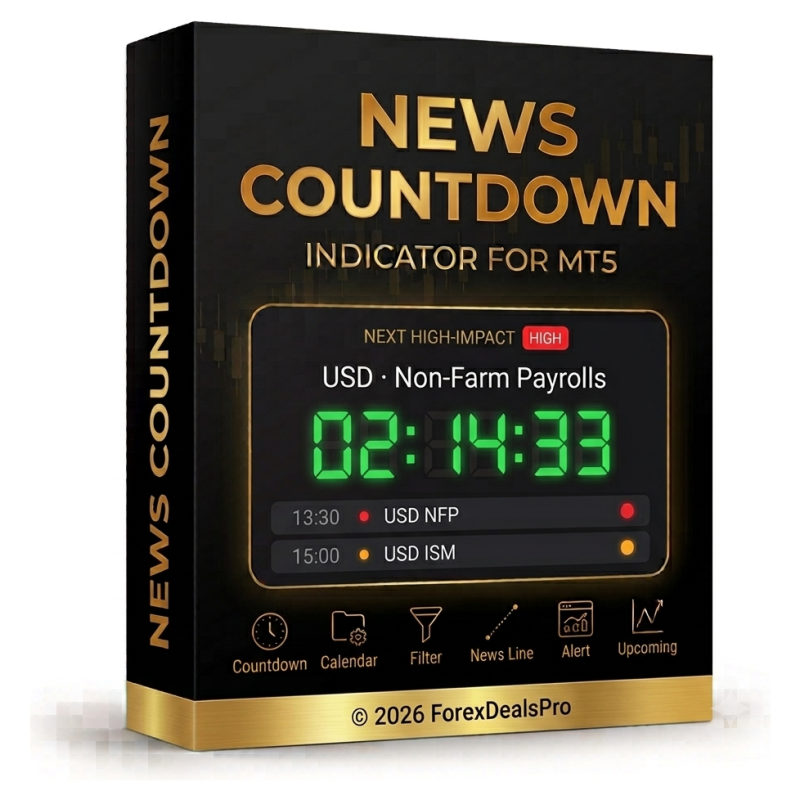
Execution speed and requotes during news. Demo fills are usually instant. Live execution can slow down, or a broker may requote you a new price, and this tends to happen exactly during high-impact news releases, which is also when the market is moving the most and price matters most.
Liquidity and order depth. A demo account typically doesn't reflect real market depth. A trade size that would move the market and affect your own fill price on a live account often fills perfectly cleanly on demo, because there's no real order book behind it.
Swap and rollover costs. Holding a position overnight on a live account usually incurs a swap fee based on the interest rate differential between the two currencies. Some demo accounts simulate this loosely or not at all, so the real cost of holding a position for several days can come as a surprise the first time it's real.
Real money mechanics. Demo has none of it: no deposit, no identity verification (KYC), no withdrawal request or processing time. The first time many traders encounter their broker's actual account-funding and withdrawal process is the moment they go live, which is a genuinely different experience than clicking a button to reset a demo balance.
Margin calls have real consequences. On demo, a margin call just resets, and nothing is actually lost. On a live account, it means real capital is gone, and depending on your broker's policy, it can also restrict what you're able to do with the account afterward.
Practicing With the Tools You'll Use Live
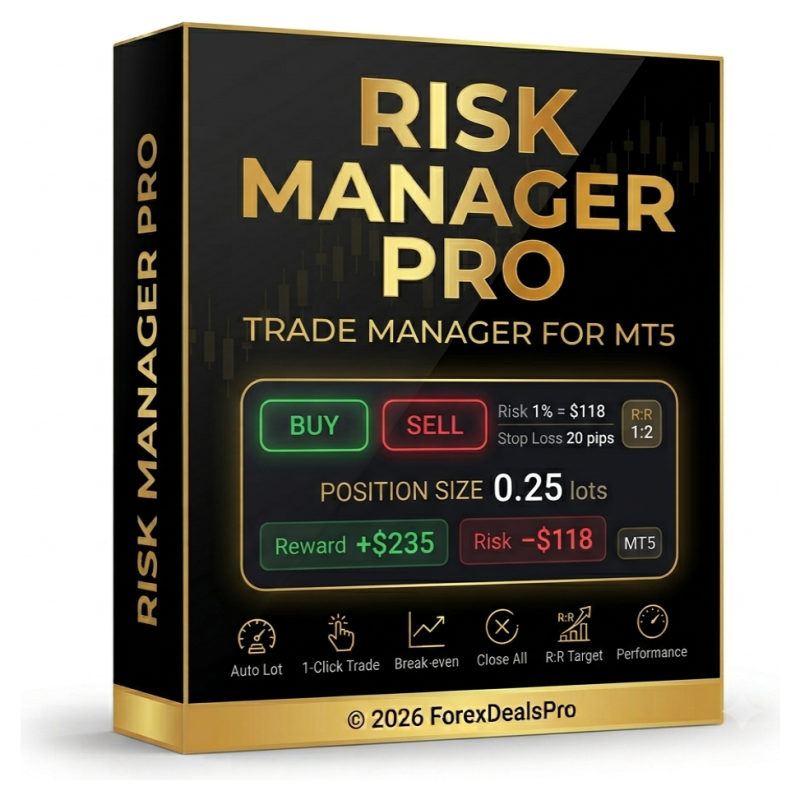
One of the most useful things you can do on a demo account is build habits with the exact tools you'll rely on later, so switching to live doesn't also mean learning new tools under pressure. ForexDealsPro's free Risk Manager Pro enforces position-size and risk limits automatically. Running it on demo now, before any real money is at stake, means the discipline is already built in by the time it actually matters.
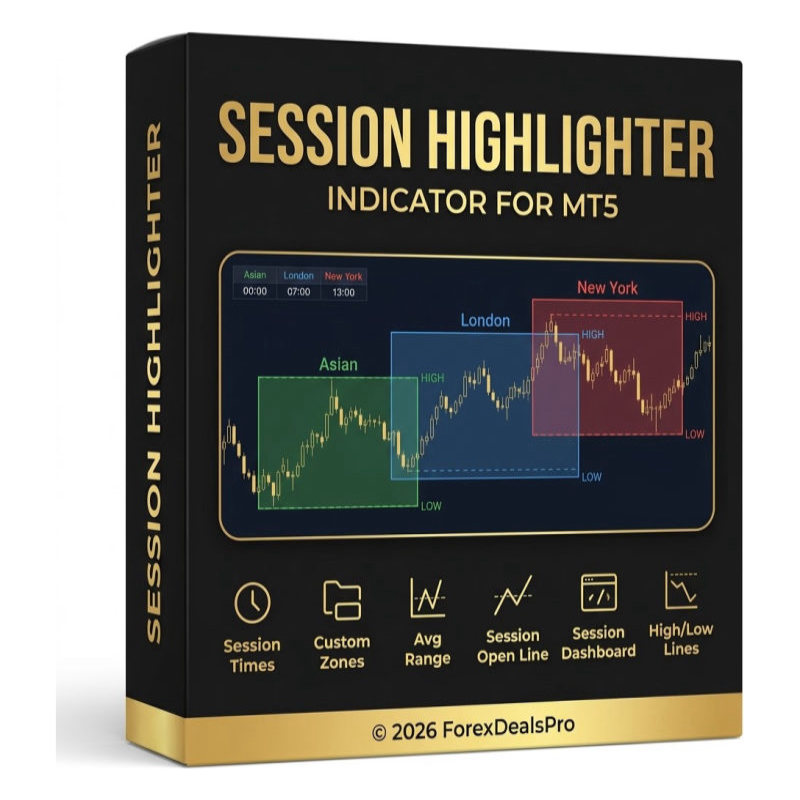
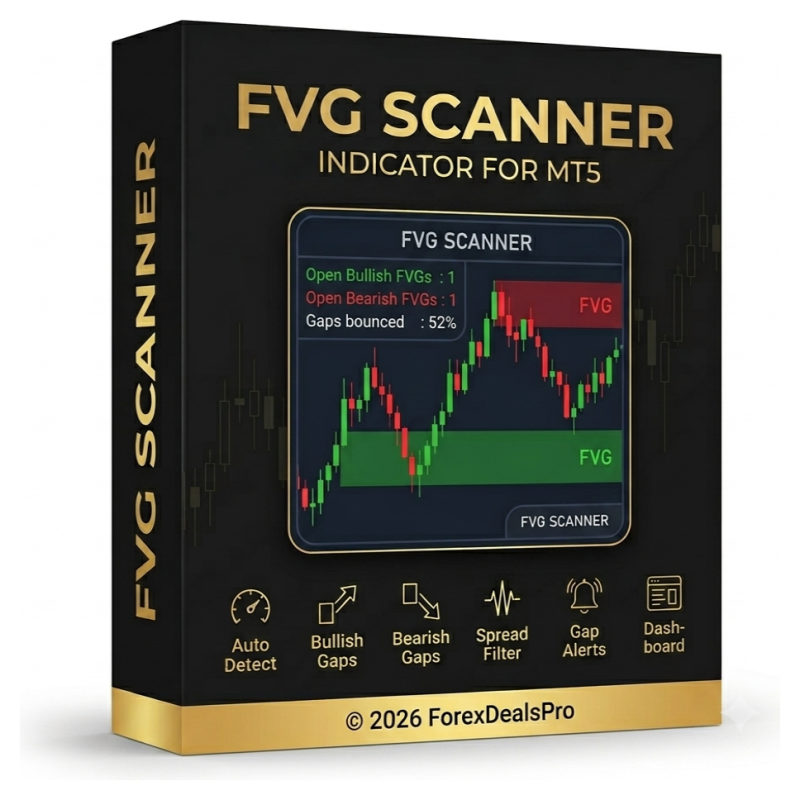
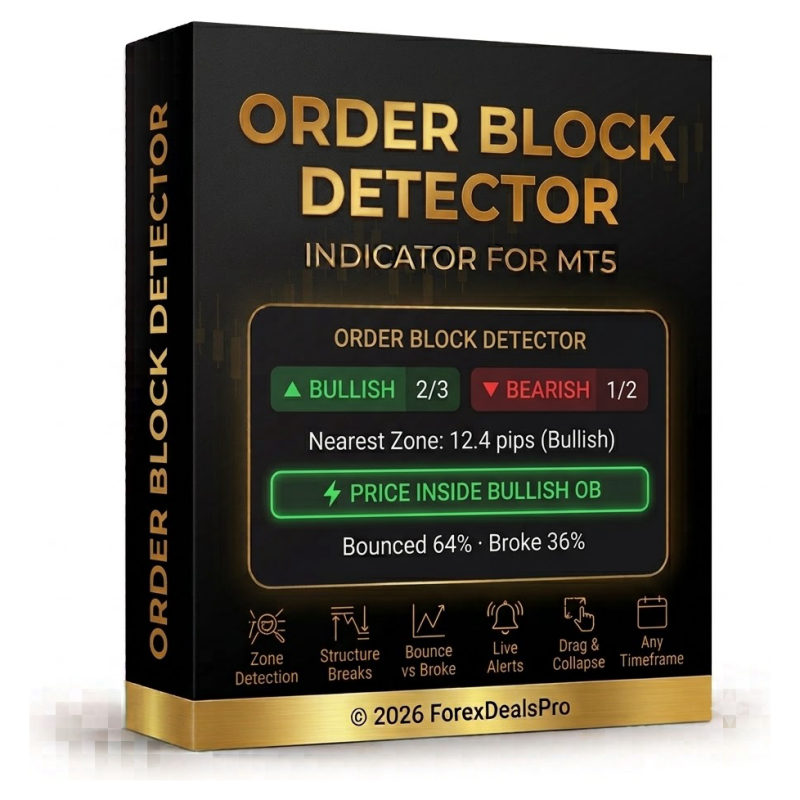
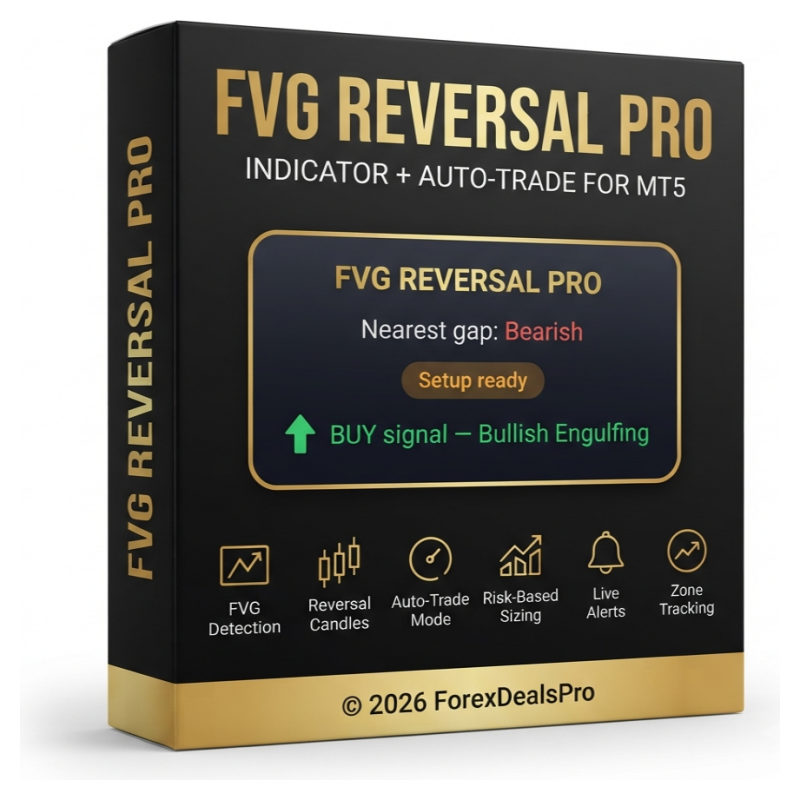
The same goes for reading the market itself. Session Highlighter marks the major trading-session windows directly on your chart, FVG Scanner flags Fair Value Gaps in real time, and Order Block Detector highlights institutional zones on the chart. All three work identically on demo and live accounts, so practicing with them now means you're building real chart-reading skill.
Steps to Prepare Before Going Live
Signs You're Ready to Switch
Choosing a Broker Once You're Ready
When you do decide to switch, choosing carefully matters as much as the timing. Our guides on How to Choose a Forex Broker and Forex Broker Regulation Explained cover what to actually check before opening a live account, in more depth than makes sense to repeat here.
ForexDealsPro's own broker reviews are built to be genuinely thorough, not marketing copy, so XM, IC Markets, AvaTrade, and PUPRIME are worth comparing directly through our detailed XM, IC Markets, AvaTrade, and PUPRIME reviews. Our free broker matchmaker quiz can also help match your actual trading style to a broker, rather than picking one at random.
Frequently Asked Questions
No. No regulator publishes a recommended demo-practice duration, and any specific number of weeks or trades you see quoted elsewhere is not based on regulatory guidance. What matters more than time elapsed is whether you understand the mechanical differences and have a tested risk management rule.
Not fully. Slippage, execution speed during news, order-book liquidity, and swap costs are all commonly simplified or missing on demo accounts. Strong demo performance shows you understand the mechanics, not that you'll get identical results live.
This varies by market and time period, but regulator-published data is consistently high. ESMA's own impact assessment found 74-89% of retail CFD accounts lost money across the national regulator data it reviewed, which is why UK and EU brokers are now required to disclose their own live loss-rate percentage to every prospective client.
Yes. Session Highlighter, FVG Scanner, Order Block Detector, and Risk Manager Pro all work identically on demo and live accounts, so practicing with them before you switch is one of the most useful things you can do.
Starting smaller than your maximum affordable amount is a reasonable way to experience real-money conditions, including the mechanical differences above, while limiting the size of a possible loss while you're still adjusting. This is a personal risk decision, not something ForexDealsPro can advise on directly.
References
References
- Financial Conduct Authority: Research Note — Digital engagement practices: a trading apps experiment, June 2024: fca.org.uk/publication/research-notes/research-note-digital-engagement-practices-trading-apps-experiment.pdf
- ESMA: Product Intervention Analysis — Measures on Contracts for Differences, ESMA50-162-215, 1 June 2018: esma.europa.eu — Product Intervention Analysis (PDF)
About Us
Your trusted gateway to elite forex deals, broker reviews, and smarter trading.
What We Do
We research, verify, and curate the best broker deals, cashback programmes, and trading promotions available in the market, updated regularly so you always have access to what is current and relevant. Alongside our deals, we publish independent broker reviews built on objective criteria: regulatory standing, trading conditions, platform quality, and client protections.
Who We Are
ForexDealsPro is run by a dedicated team of trading and finance professionals with over a decade of combined market experience. That hands-on knowledge informs everything we publish, from the brokers we feature to the way we explain complex trading concepts in plain language.
We operate as an affiliate information platform. We earn a commission when you open an account through our links, at no additional cost to you. This model allows us to keep the platform free, independent, and focused entirely on trader value.
Our Standards
- We only feature brokers regulated by recognised financial authorities
- Every deal and promotion is verified before publication
- Broker ratings are independent and never influenced by commercial relationships
- Affiliate partnerships are always disclosed transparently
Our Editorial Process
All articles published on ForexDealsPro are thoroughly researched using primary regulatory sources, industry reports, and reputable financial publications, then verified for accuracy before publication. Our editorial team holds combined experience in forex trading, financial analysis, and compliance.