Your Gateway to Elite Forex Deals
Discover exclusive broker promotions, powerful trading tools, and insights to trade smarter.
Offers Worth Your Attention
Hand-picked promotions, cashback, and risk-protection deals - updated monthly by our team.
ForexDealsPro Cashback
Up to $11 back per lot, via XM
- Paid on every trade, win or lose
- Automatic, no claims needed
- Real, verified rebate rates
- No extra cost to trade
1st Trade Secured
Covered up to $100, via TradeRise
- Loses? You get covered
- Wins? You keep the profit
- No minimum deposit required
- One-time offer per account
No-Deposit Bonus
$30 free to trade, via XM
- No deposit required to start
- Trade real market conditions
- Withdraw eligible profits
- Sign-up takes under 5 minutes


Get Paid on Every Trade You Make
Earn rebates on every trade you execute. Cashback rates are transparent, automatic, and paid straight into your account.
All Broker Promotions
All current promotions · Filter by broker below
Brokers Review
Regulated, reviewed, and independently rated - compare in seconds
Broker Comparison Table
Regulated, reviewed, and independently rated - compare in seconds
| Broker | Est. ▲ | Spread EUR/USD ▲ | Min. deposit ▲ | Regulation | Platform | Trustpilot Rating ▲ | Action |
|---|
Best Forex Brokers by Country
Regulated brokers that accept traders in your country — hand-picked by region, with local deposit methods and the best deals for each market.


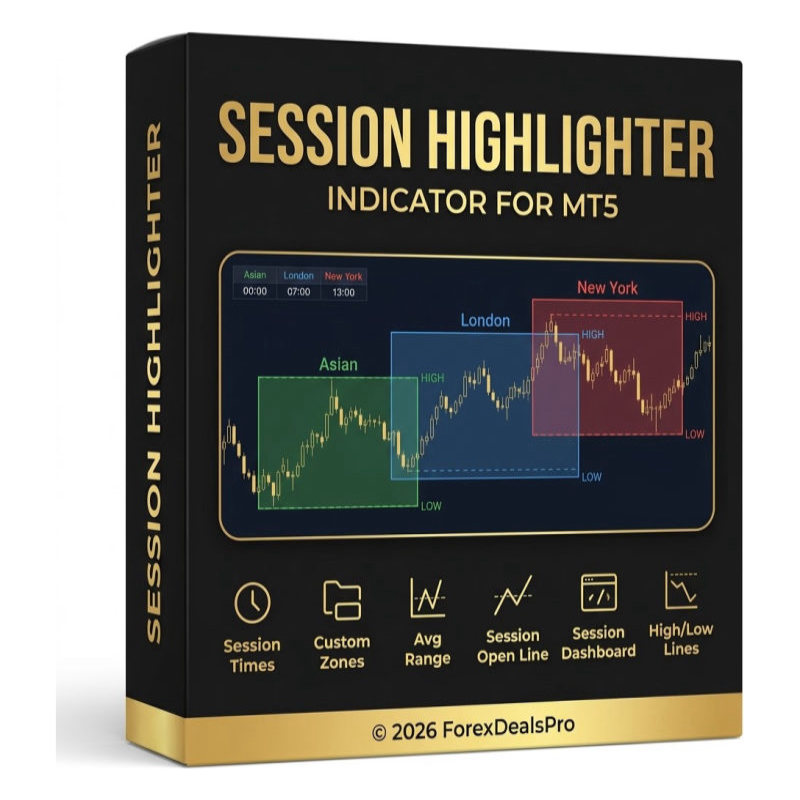
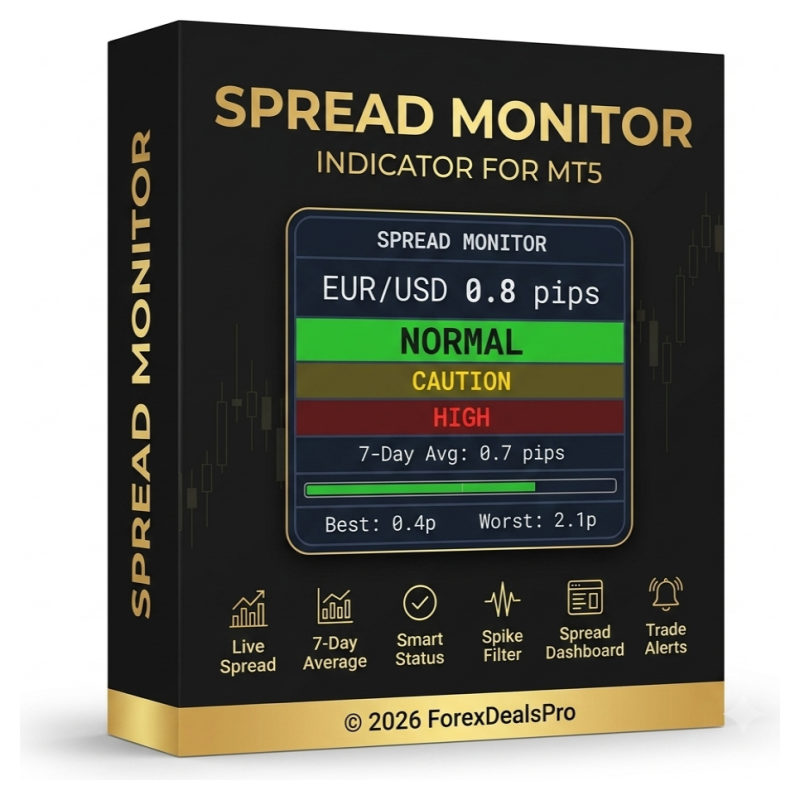
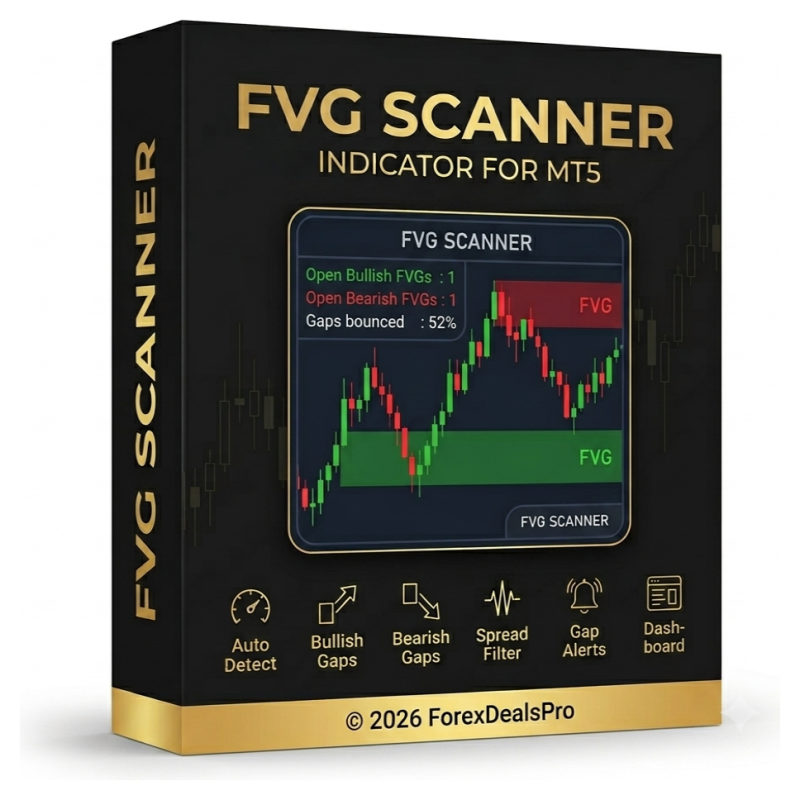
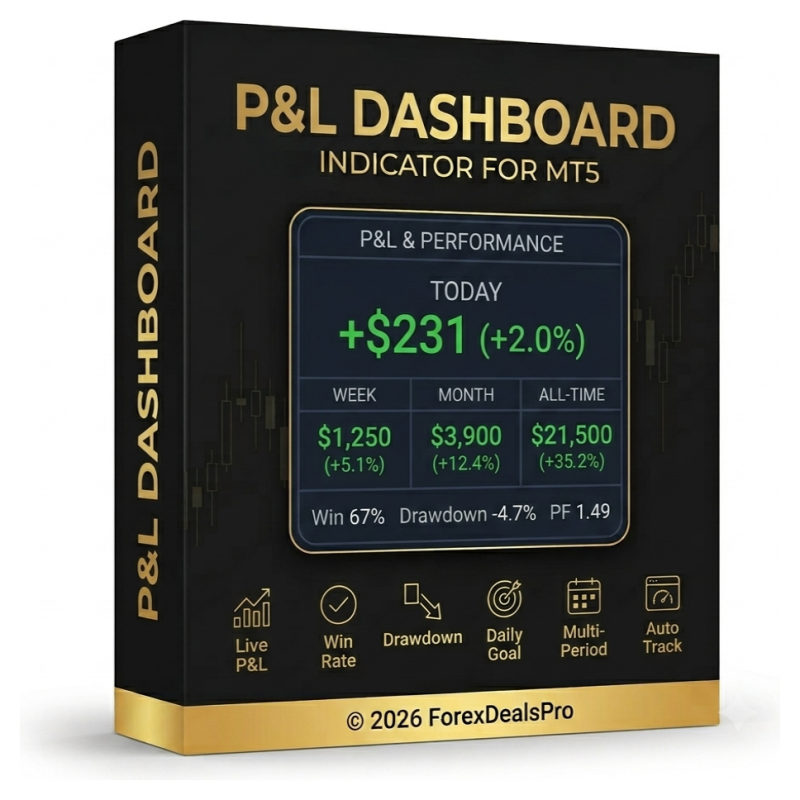
MT4/MT5 Indicators & Expert Advisors
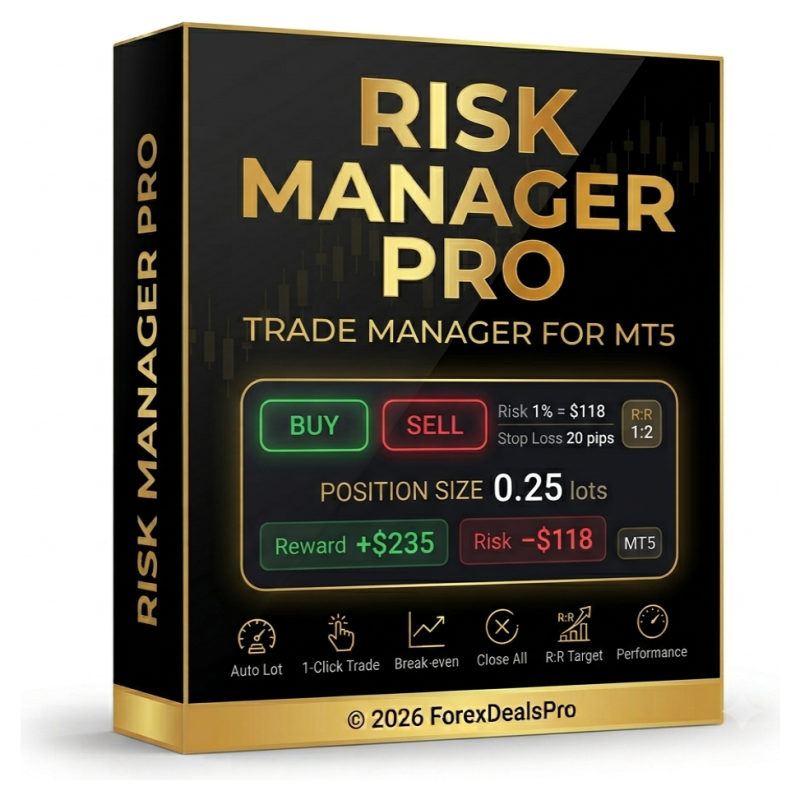
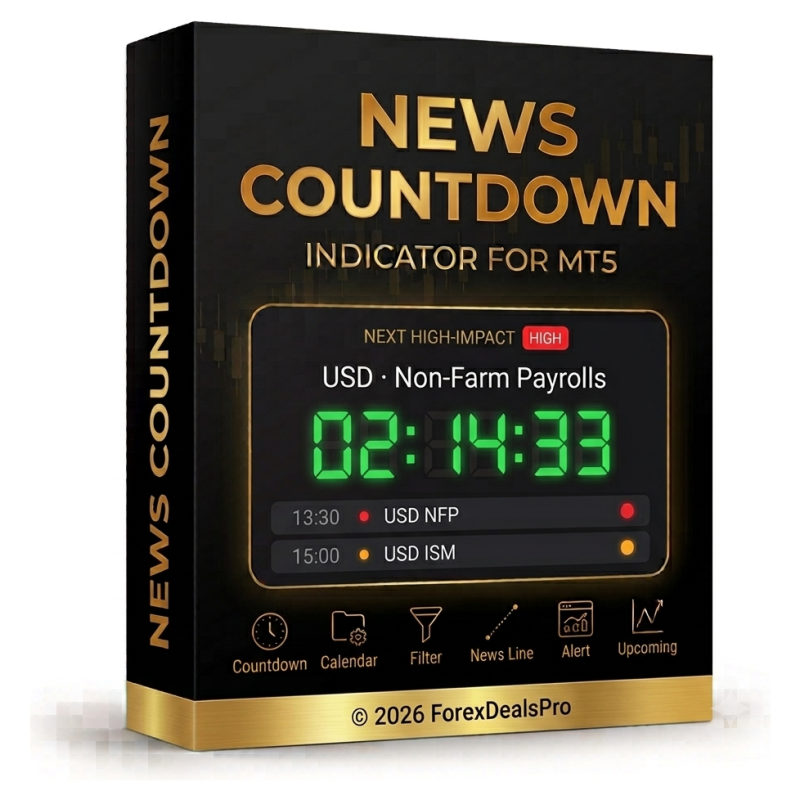
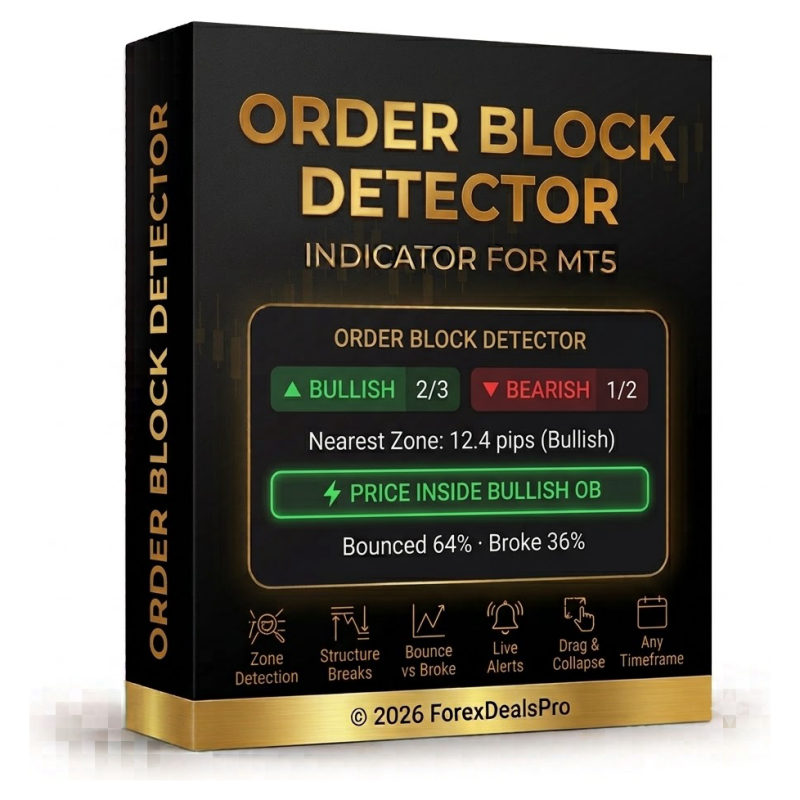
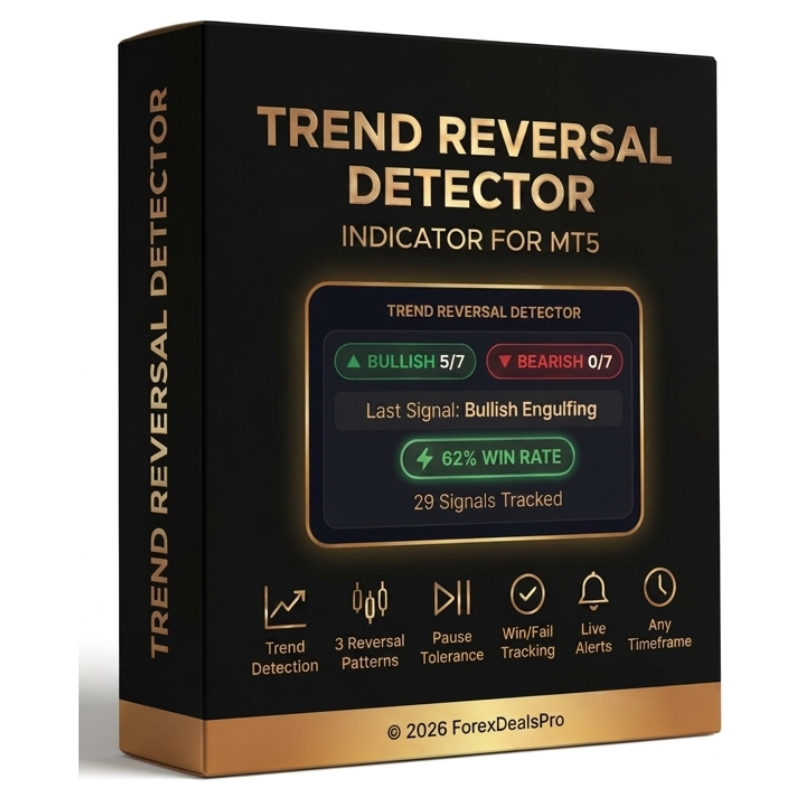
A growing library of professional MT5 indicators and Expert Advisors, built in-house to give you a genuine trading edge — and many are free to download.
Cashback - The Smart Way to Reduce Your Trading Costs
You earn on every trade.
Regardless of the outcome.
Cashback is a rebate paid on the spread or commission of every trade you execute - whether the trade wins or loses. It's the only trading benefit that never depends on market direction. The more you trade, the more you earn back, automatically.
How to start earning





Forex Broker Scam Warning: How to Check If a Broker Is Legit Before You Deposit

Broker Fraud Hasn't Gone Away
Opening a trading account has never been easier. Unfortunately, neither has creating a convincing fake broker.
Professional-looking websites, cloned regulatory licenses, fake customer support teams, and promises of guaranteed returns continue to trap traders every year. Legitimate forex brokers operate under strict financial regulation, but scammers have become increasingly good at copying that appearance. Knowing how to check if a forex broker is legitimate before you deposit is one of the most useful skills a trader can have, and the good news is that most scams follow the same handful of patterns. Once you know what they look like and how to verify a broker independently, you can avoid the vast majority of them before ever depositing a dollar.
If you're still building the fundamentals, our What Is Forex Trading guide is a good place to start before reading further, since a lot of the scam tactics below rely on a reader not yet knowing how legitimate trading actually works.
The scale of this problem is not a guess. Australia's securities regulator, ASIC, coordinated the removal of 11,964 phishing and investment scam websites in 2025 alone, a 90% increase on the 6,270 removed the year before, and said the takedowns now average 32 sites a day[1]. Separately, Australia's National Anti-Scam Centre reported that Australians lost $2.18 billion to scams in 2025, with investment scams accounting for $837.7 million of that figure, the single largest category[10]. In the UK, the Financial Conduct Authority maintains an ongoing public Warning List specifically because fraudulent firms keep appearing faster than any single list can stay ahead of, including firms that impersonate real, currently authorised brokers[2].
None of this means forex trading itself is unsafe, or that every broker is suspect. It means the fraud is real, well documented by the regulators who deal with it directly, and largely avoidable once you know what it looks like and how to check a broker's claims yourself rather than taking them on trust.
Quick Forex Broker Scam Checklist
Before depositing with any forex broker, run through this list. One item alone doesn't prove fraud, but several appearing together should be treated seriously.
- Is the broker listed under its exact legal name on the regulator's official register?
- Does the license number match that same entity, not just the brand name?
- Does the broker avoid guaranteed-profit or fixed-return promises?
- Are withdrawal conditions explained clearly before you deposit, not after?
- Is support handled through the broker's own official channels, not a private messaging app?
- Are payment methods transparent and traceable, not crypto-only?
- Does the offered leverage match what's legally permitted where you live?
- Does the company avoid appearing on the FCA, CySEC, or other regulator warning lists?
The rest of this article covers exactly how to check each of these yourself.
How These Scams Actually Work
Regulators who investigate this fraud for a living tend to describe the same handful of patterns, not an endless variety of new ones. Understanding the pattern matters more than memorising any single scam's name, since the names and websites change constantly while the underlying mechanics don't.
1. Clone Forex Brokers and Fake Regulation Claims
One of the most common tactics the FCA documents is a scammer copying the name, firm reference number, and other details of a real, currently authorised broker, then running a lookalike website or contacting people directly under that name[3]. A clone firm typically copies the legitimate broker's name, license number, branding, and website design, then adds fake contact details of its own.
The FCA's own warning archive lists dozens of these clone cases individually, each naming the genuine firm being impersonated alongside the fake contact details being used[3]. The point of a clone is that the victim believes they're dealing with a real, regulated company, right up until a withdrawal request goes nowhere. A displayed license number or a professional-looking website is not proof of anything on its own, since both are trivially easy to copy. The only reliable check is verifying the license directly through the regulator's own register, covered in the verification steps below.
2. Unregistered Offshore Forex Brokers
The US Commodity Futures Trading Commission has tracked a rise in fraud complaints from people who deposited money with unregistered offshore forex dealers, often found through a social media connection or a personal recommendation rather than any independent research[4]. Warning signs the CFTC flags include no verifiable regulatory record, unclear company ownership, pressure to deposit quickly, and vague or missing information about how withdrawals actually work.
Operating offshore doesn't automatically make a broker fraudulent, plenty of legitimate brokers hold licenses from multiple jurisdictions. The question that actually matters is whether the specific legal entity you're opening an account with is properly authorised, and whether it's the one that will actually hold your funds.
3. Guaranteed Profits and Unrealistic Trading Promises
Genuine trading, through a genuine broker, always carries real risk of loss. Any pitch built around a guaranteed outcome, a fixed daily or weekly return, or a "no-loss strategy" is a signature pattern regulators specifically call out, not a rare edge case[1]. Market conditions change, losses happen, and no broker or trading service can guarantee results.
A broker or trading service that removes the concept of risk from its own marketing is one of the clearest single warning signs available, precisely because it's the one claim a legitimate, regulated broker is not allowed to make.
4. Fake AI Trading Systems
Artificial intelligence has become a popular theme in investment fraud specifically, and regulators have started calling it out by name. ASIC's own recent enforcement update is titled around "AI-powered online investment scams," describing fraudulent platforms that promote a secret algorithm, fully automated profits, or a passive income system that supposedly removes normal trading risk[1].
Real trading technology can support analysis, but it can't eliminate market risk or guarantee an outcome. Be especially cautious when an "AI trading" pitch also combines a guaranteed return, pressure to deposit immediately, a personal "account manager," and crypto-only payments, since regulators note these features tend to appear together in the same scams rather than in isolation[1].
5. Withdrawal Problems and Extra Payment Requests
Many forex scams only become obvious once a trader actually tries to withdraw money. The CFTC identifies withdrawal problems, and requests for additional payments before a withdrawal can supposedly be released, as one of the most common patterns associated with fraudulent forex operators[4]. Common excuses include a withdrawal fee, a tax payment, an account-unlocking charge, or a request to deposit more first.
A legitimate broker explains its withdrawal process clearly before you ever deposit. A request to send more money before you can receive your own funds is one of the single strongest warning signs of a scam.
6. Pressure to Move Communication Off Official Channels
The CFTC specifically lists suspicious communication methods as a warning sign associated with fraudulent forex schemes, including pushing a conversation off a broker's own official platform and into a private messaging app such as WhatsApp or Telegram[4]. A "personal account manager" contacting you through social media, outside any documented company channel, follows the same pattern.
Professional, regulated brokers maintain documented communication through their own official platforms. If contact consistently happens somewhere else instead, that's worth treating as a signal on its own, not a neutral detail.
How to Verify a Broker's License Yourself
Every claim a broker makes about its own regulation should be checked independently, directly on the regulator's own register, not taken from the broker's marketing page. This takes a few minutes and doesn't require any special access.
Step 1 — Identify the exact regulated entity, not just the brand name. Large brokers often operate through several separately licensed entities in different countries. The entity name and license number matter more than the brand name on the homepage, since a brand can be genuine while the specific entity a customer is actually onboarded to is not the one holding the license being advertised.
Step 2 — Search the regulator's own public register. Go directly to the register, never to a link supplied by the broker itself. CySEC publishes its full list of licensed Cyprus Investment Firms directly on its own site, kept current and downloadable[5]. The FSCA in South Africa runs a public FSP search tool where a firm's status shows directly on the register[7]. Kenya's Capital Markets Authority maintains its own public list of licensed intermediaries for the same purpose[8].
Step 3 — Cross-check against the regulator's own warning list. Beyond confirming a license exists, both the FCA and CySEC separately publish ongoing public warnings naming specific unauthorised or clone firms as they're identified[3][6]. A firm can be absent from a warning list and still not appear on the main register, so both checks matter, not just one.
Step 4 — For US-facing forex dealers, use NFA BASIC. The CFTC directs consumers to the National Futures Association's Background Affiliation Status Information Center to confirm CFTC registration and review any disciplinary history before trading with a US-facing forex dealer[4].
Our own Forex Broker Regulation Explained guide goes deeper into what each individual regulator's license actually protects you with, and our How to Choose a Forex Broker guide covers the rest of the evaluation beyond regulation alone. Every broker featured in ForexDealsPro's own broker reviews has its regulatory status checked independently against the relevant regulator's register as part of the review process, rather than taken from the broker's own claims.
Red Flags vs. Legitimate Signs
A curated comparison, not an exhaustive checklist. Any single item on its own isn't automatic proof of fraud, but several together are worth treating seriously.
| Signal | Red Flag Pattern | Legitimate Sign |
|---|---|---|
| Regulatory status | Claims a license but the name/number can't be found on the regulator's own register | License number and entity name match exactly on the regulator's public register |
| Returns | Promises a guaranteed, fixed, or "low risk" return, including from an "AI trading bot" | States plainly that trading carries risk of loss, with no fixed-return promise |
| Communication | Pushes the conversation off the broker's own platform into private messaging apps | Support and account communication stay inside the broker's own official channels |
| Withdrawals | Withdrawal requests are delayed, ignored, or trigger a demand for an extra payment first | Withdrawal process is documented upfront and matches what actually happens |
| Payment method | Will only accept deposits in crypto, with no other funding option offered | Offers standard, traceable funding methods (bank transfer, card) alongside any crypto option |
| Leverage | Offers leverage above what's legally permitted for a retail client in your country | Leverage caps match the limit set by the regulator covering your specific account entity |
If You Think You've Been Targeted
Stop sending any further money immediately, including any request framed as a fee needed to unlock a withdrawal. That request is itself one of the most consistent patterns regulators report[4]. Save every piece of communication, every transaction record, and the exact web address used, since these details matter for any report filed afterward.
Report it to the regulator whose name was used or implied. The FCA takes reports directly through its own contact form[2], ASIC directs the public to Australia's Scamwatch service for investment scam reports[9], and CySEC asks investors to check its warnings page and contact the regulator directly with any suspicious case[6]. The CFTC likewise accepts complaints directly through its own online complaint form[4]. Reporting doesn't guarantee recovering funds already sent, but it feeds directly into the same enforcement and warning-list process that protects the next person from the same firm.
Treat any offer promising guaranteed fund recovery, especially one asking for an upfront fee, with the same scrutiny you'd apply to the original broker. A legitimate reporting or recovery process never requires a large upfront payment or a guaranteed outcome.
Final Thoughts
Broker fraud persists in 2026 for the same reason it always has: it's cheap to set up a convincing-looking website, and expensive for any one regulator to shut every fraudulent one down before it finds its next victim. That's exactly why the verification step belongs to the individual trader, not just the regulator.
None of the checks above are complicated or time-consuming. Confirming a license on the regulator's own register, checking the current warning list, and being alert to the handful of patterns regulators themselves keep flagging takes a few minutes and doesn't depend on trusting anyone's marketing claims, including ours.
Frequently Asked Questions
No. Forex and CFD trading through a genuinely regulated broker is a legitimate, heavily supervised financial activity. The fraud documented by regulators comes from unauthorised or clone operators exploiting the space, not from regulated trading itself.
No. A regulatory claim on a broker's own website should always be checked independently against the regulator's own public register, using the exact entity name and license number, since the register is the only source that can't be edited by the broker itself.
A guaranteed or fixed return promise. Genuine trading, through a genuine broker, always carries real risk of loss, so any pitch built around a guaranteed outcome is one of the most consistently flagged patterns across every regulator covered in this article.
It depends on the payment method and how quickly it's reported, and there's no guarantee. The immediate steps are to stop sending any further money, especially in response to a fee demanded to "unlock" a withdrawal, and to report it to the relevant regulator and your payment provider as soon as possible.
No. Many legitimate brokers operate through entities licensed outside your home country. What matters is confirming which exact legal entity holds your account and whether that specific entity is properly authorised, rather than assuming an offshore location is automatically a problem.
No. Regulators including ASIC have specifically flagged AI-themed investment pitches as a growing scam category. Technology can support trading analysis, but it cannot remove market risk or guarantee a return, so any "AI" pitch built around guaranteed profits should be treated the same as any other guaranteed-return claim.
References
References
- ASIC: 26-063MR ASIC ramps up action to protect consumers from AI-powered online investment scams, 2026: asic.gov.au/about-asic/news-centre/find-a-media-release/2026-releases/26-063mr-asic-ramps-up-action-to-protect-consumers-from-ai-powered-online-investment-scams
- FCA: Warning List of unauthorised firms: fca.org.uk/consumers/warning-list-unauthorised-firms
- FCA: Fortradefx (Clone of FCA authorised firm), first published 09/06/2026: fca.org.uk/news/warnings/fortradefx-clone-fca-authorised-firm
- CFTC: Forex Frauds, Learn and Protect: cftc.gov/LearnAndProtect/forexfrauds
- CySEC: Cyprus Investment Firms (CIF) Regulated Entities List: cysec.gov.cy/en-GB/entities/investment-firms/cypriot
- CySEC: Investor Protection Warnings: cysec.gov.cy/en-GB/investor-protection/warnings/cysec
- FSCA: Financial Service Provider (FSP) Search: fsca.co.za/Fais/Search_FSP.htm
- Capital Markets Authority (Kenya): official site and licensee list: cma.or.ke
- ASIC / National Anti-Scam Centre: Scamwatch, official scam-reporting service: asic.gov.au/about-asic/contact-us/scams
- ACCC / National Anti-Scam Centre: Continued action critical to combat fraud as annual scam losses exceed $2 billion (Targeting Scams 2025 report), 30 March 2026: accc.gov.au/media-release/continued-action-critical-to-combat-fraud-as-annual-scam-losses-exceed-2-billion
All regulator pages and figures verified directly against the cited source in August 2026. Regulatory status, license coverage, and warning lists change frequently, always verify current status directly with the relevant regulator before opening or funding an account.
About Us
Your trusted gateway to elite forex deals, broker reviews, and smarter trading.
What We Do
We research, verify, and curate the best broker deals, cashback programmes, and trading promotions available in the market, updated regularly so you always have access to what is current and relevant. Alongside our deals, we publish independent broker reviews built on objective criteria: regulatory standing, trading conditions, platform quality, and client protections.
Who We Are
ForexDealsPro is run by a dedicated team of trading and finance professionals with over a decade of combined market experience. That hands-on knowledge informs everything we publish, from the brokers we feature to the way we explain complex trading concepts in plain language.
We operate as an affiliate information platform. We earn a commission when you open an account through our links, at no additional cost to you. This model allows us to keep the platform free, independent, and focused entirely on trader value.
Our Standards
- We only feature brokers regulated by recognised financial authorities
- Every deal and promotion is verified before publication
- Broker ratings are independent and never influenced by commercial relationships
- Affiliate partnerships are always disclosed transparently
Our Editorial Process
All articles published on ForexDealsPro are thoroughly researched using primary regulatory sources, industry reports, and reputable financial publications, then verified for accuracy before publication. Our editorial team holds combined experience in forex trading, financial analysis, and compliance.