Your Gateway to Elite Forex Deals
Discover exclusive broker promotions, powerful trading tools, and insights to trade smarter.
Offers Worth Your Attention
Hand-picked promotions, cashback, and risk-protection deals - updated monthly by our team.
ForexDealsPro Cashback
Up to $11 back per lot, via XM
- Paid on every trade, win or lose
- Automatic, no claims needed
- Real, verified rebate rates
- No extra cost to trade
1st Trade Secured
Covered up to $100, via TradeRise
- Loses? You get covered
- Wins? You keep the profit
- No minimum deposit required
- One-time offer per account
No-Deposit Bonus
$30 free to trade, via XM
- No deposit required to start
- Trade real market conditions
- Withdraw eligible profits
- Sign-up takes under 5 minutes


Get Paid on Every Trade You Make
Earn rebates on every trade you execute. Cashback rates are transparent, automatic, and paid straight into your account.
All Broker Promotions
All current promotions · Filter by broker below
Brokers Review
Regulated, reviewed, and independently rated - compare in seconds
Broker Comparison Table
Regulated, reviewed, and independently rated - compare in seconds
| Broker | Est. ▲ | Spread EUR/USD ▲ | Min. deposit ▲ | Regulation | Platform | Trustpilot Rating ▲ | Action |
|---|
Best Forex Brokers by Country
Regulated brokers that accept traders in your country — hand-picked by region, with local deposit methods and the best deals for each market.


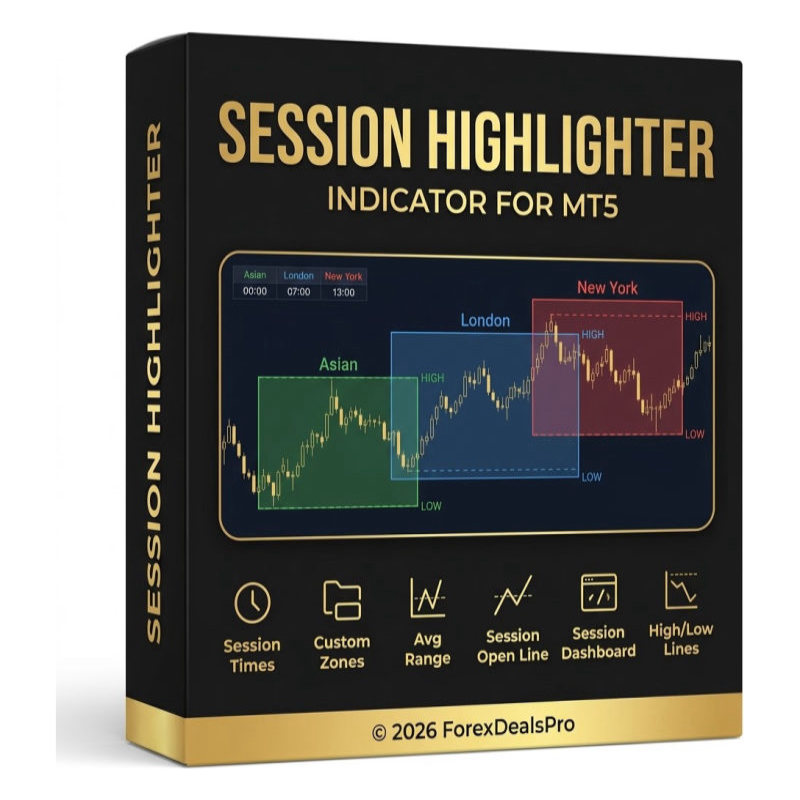
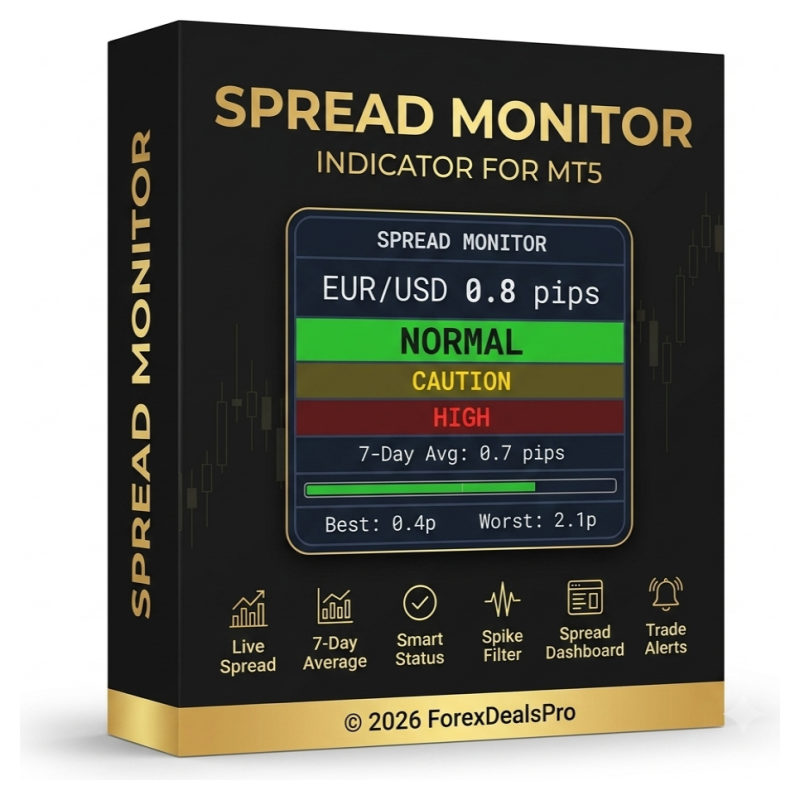
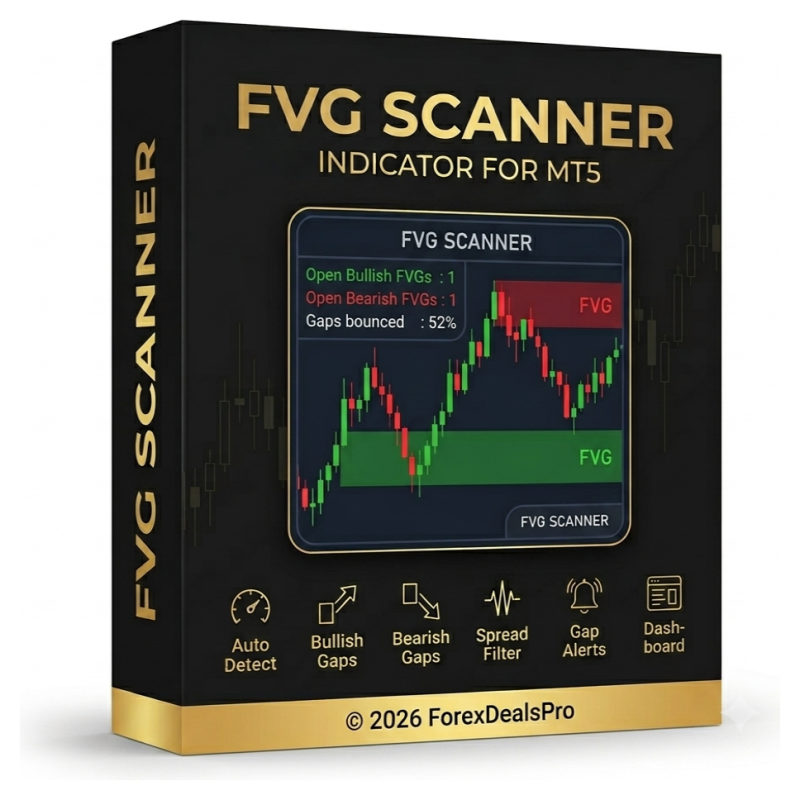
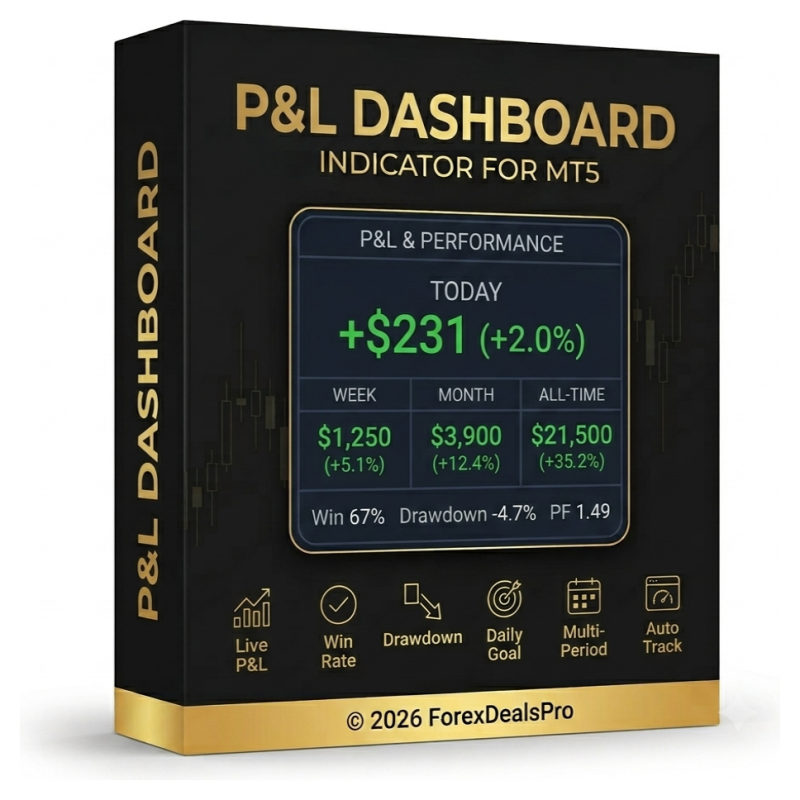
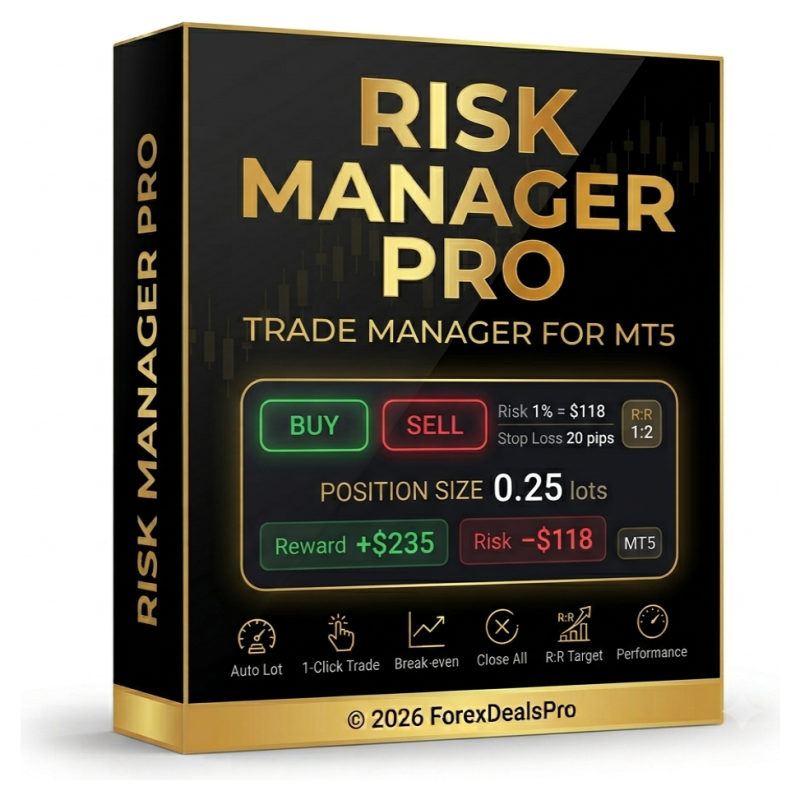
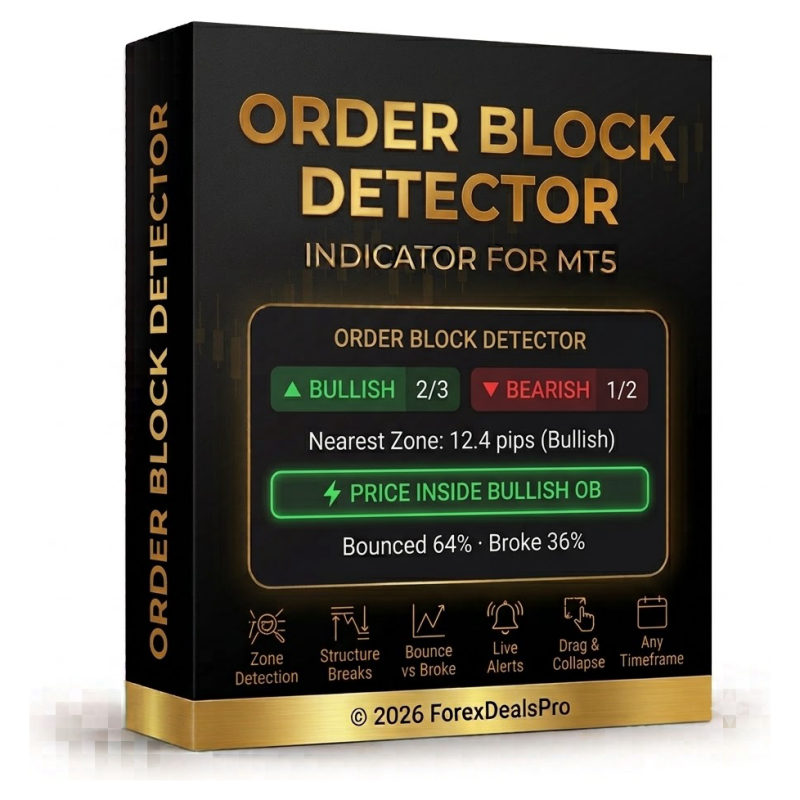
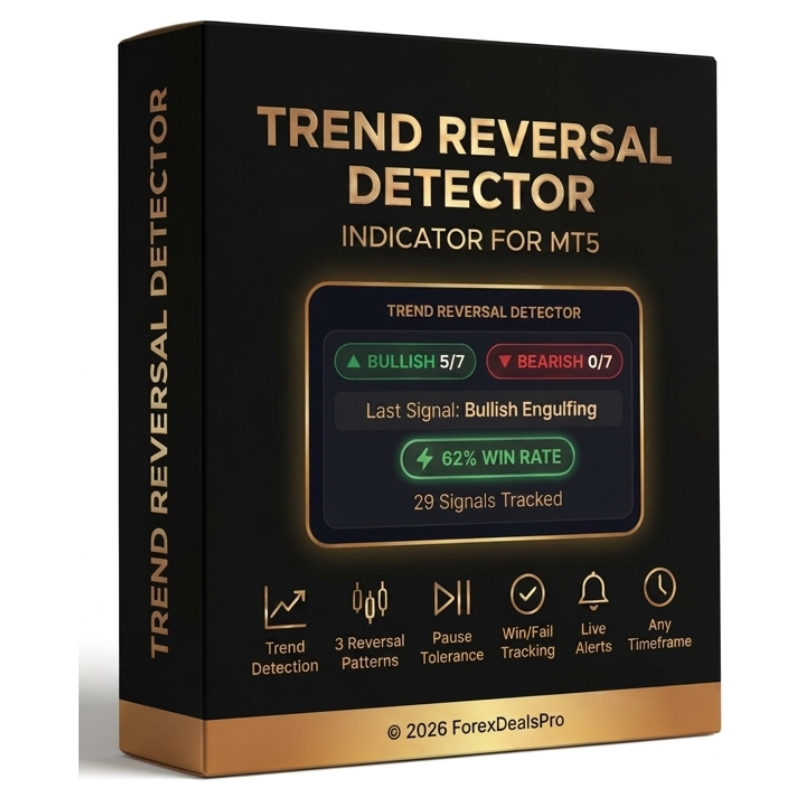
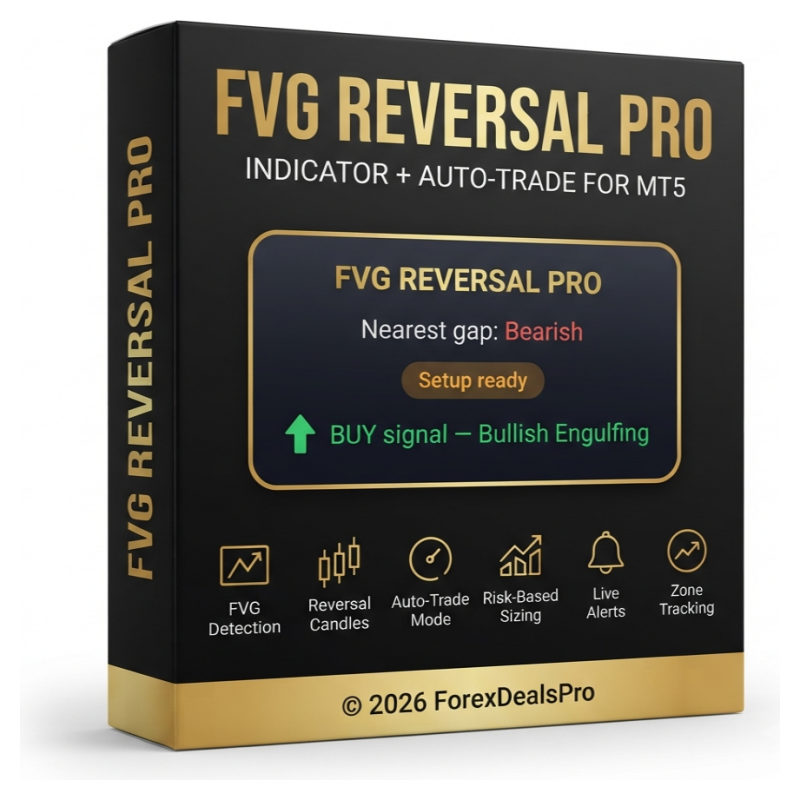
MT4/MT5 Indicators & Expert Advisors
A growing library of professional MT5 indicators and Expert Advisors, built in-house to give you a genuine trading edge — and many are free to download.
Cashback - The Smart Way to Reduce Your Trading Costs
You earn on every trade.
Regardless of the outcome.
Cashback is a rebate paid on the spread or commission of every trade you execute - whether the trade wins or loses. It's the only trading benefit that never depends on market direction. The more you trade, the more you earn back, automatically.
How to start earning






Forex Trading in the EU 2026: France, Germany, Netherlands & Spain Under ESMA

Europe's Regulated Retail Forex Market
France, Germany, the Netherlands, and Spain sit inside one of the most consistently regulated retail forex environments in the world. Rather than each country building its own separate rulebook for forex and CFD trading, all four follow a shared, EU-wide framework set by the European Securities and Markets Authority (ESMA) and enforced locally by each country's own national regulator. If you're new to any of this, our What Is Forex Trading guide covers the basics before you go further.
If you're trading from France, Germany, the Netherlands, or Spain, here's what actually changes when you open an account:
- Your retail leverage on major FX pairs is capped at 30:1 (20:1 on minors, gold, and major indices), and you won't get the 1:500 or 1:1000 leverage some offshore brokers advertise while trading under an EU retail entity.
- You get negative balance protection, segregated client funds, and Investor Compensation Fund coverage as standard.
- Deposit bonuses and cashback offers aren't available. EU rules ban them for retail clients entirely, not as any one broker's policy choice.
- Since leverage is capped the same everywhere, the real comparison between brokers is which EU entity you're actually opening with, plus trading costs, execution, and instruments, not who advertises the highest leverage.
- France, Germany, and Spain each layer some additional national rules on top of the shared EU baseline; the Netherlands stays closer to that baseline.
The rest of this article explains why each of those points is true, country by country, then points to ForexDealsPro's dedicated broker pages for the deeper detail.
The mechanism behind all of it: brokers serving EU clients hold a genuine EU investment-firm licence, most commonly from Cyprus (CySEC) or Ireland (the Central Bank of Ireland). Under MiFID II, that licence is "passported" to operate legally across every EU member state (including all four countries here) without needing a separate licence in each one. That's why checking which legal entity is actually opening your account matters more than checking which country you're in: many international brokers run a separate, more permissive offshore entity alongside their EU one, and it's the entity you're onboarded under, not the brand name, that determines the leverage, protections, and terms that actually apply to you.
Regulation at a Glance
A curated comparison, not an exhaustive legal summary. Each country section below covers the practical detail, and figures were checked directly against each regulator's own site and the official CySEC/Central Bank of Ireland registers. Licensing status can change, so verify current details directly with the relevant regulator before depositing funds.
| Country | National Regulator | Framework | Notable Local Rules |
|---|---|---|---|
| France | Autorité des marchés financiers (AMF) | ESMA baseline (MiFID II passporting) | Among the strictest in the EU on advertising leveraged products to retail investors |
| Germany | BaFin | ESMA baseline (MiFID II passporting) | Additional domestic restrictions on certain CFD structures and heightened scrutiny of products replicating restricted instruments |
| Netherlands | Autoriteit Financiële Markten (AFM) | ESMA baseline (MiFID II passporting) | No additional national restrictions beyond the ESMA baseline |
| Spain | Comisión Nacional del Mercado de Valores (CNMV) | ESMA baseline (MiFID II passporting) | Domestic marketing restrictions, including a ban on promoting leveraged products via public figures, call centers, and event sponsorships |
What ESMA's Leverage Caps and Bonus Ban Actually Mean
Two rules define the EU retail forex experience more than anything else, and both apply identically in France, Germany, the Netherlands, and Spain because they come from ESMA, not from each country individually.
Leverage is capped, not offered at the broker's discretion. Retail clients get a maximum of 30:1 on major currency pairs and 20:1 on minor pairs, gold, and major indices, with lower caps still on individual shares and other instruments. This is meaningfully lower than the leverage some offshore brokers advertise to traders in other regions, and it's a deliberate investor-protection measure, not a limitation specific to any single broker. Alongside the leverage cap, EU-regulated brokers must apply a 50% margin close-out rule (positions are automatically closed if account equity falls to half the required margin) and provide negative balance protection, meaning a retail client can never lose more than what's in their account.
No deposit bonuses, cashback, or similar incentives can legally be offered to retail clients. ESMA's rules ban both monetary and non-monetary inducements tied to opening or funding an account. This is a genuine, EU-wide legal restriction, not a policy choice any individual broker has made, and it applies to every broker holding an EU licence. In practice, this means the sign-up bonuses or cashback offers ForexDealsPro highlights for traders in other regions simply aren't available, or legal to offer, to clients trading under an EU entity.
What EU regulation offers instead is protection depth, and it's worth understanding in concrete terms rather than as a general reassurance:
- Segregation of client funds. EU-regulated brokers are required to hold client money in accounts kept fully separate from the firm's own operating funds, at reputable banking institutions. If the broker becomes insolvent, client funds held this way are not available to the firm's general creditors. That's a structural protection, not just a policy statement.
- Investor Compensation Fund coverage. Brokers licensed by CySEC must participate in Cyprus's Investor Compensation Fund, which covers the lower of 90% of a client's eligible claim or €20,000 if the firm fails and client assets can't otherwise be returned[9]. Ireland-licensed entities participate in an equivalent Irish investor compensation scheme. This is a backstop on top of fund segregation, not a substitute for it.
- Standardised risk warnings and negative balance protection, both described above, apply to every retail account without exception.
For traders who value regulatory certainty over maximum leverage or promotional offers, that's the actual trade being made.
Professional Client Status: Higher Leverage, Fewer Protections
Everything above describes the rules for retail clients, which is the default, and by far the most common, classification. MiFID II also allows a trader to request reclassification as an elective professional client, which removes the ESMA leverage caps (professional accounts can access leverage of 500:1 or higher, broker-dependent), but this comes with a real, meaningful trade-off, not just an upgrade.
To qualify, a trader must meet at least two of the following three tests, set out under MiFID II[8]:
- Trading history: executed transactions of significant size on the relevant market at an average frequency of at least 10 per quarter over the previous four quarters.
- Portfolio size: a financial instrument portfolio (including cash deposits) exceeding €500,000.
- Professional experience: at least one year working in a financial-sector position requiring knowledge of the transactions or services in question.
What's given up in exchange for higher leverage is significant, and worth stating plainly rather than glossing over: professional clients lose negative balance protection, lose Investor Compensation Fund coverage, and lose the standardised retail risk warnings and marketing-restriction protections described earlier in this article. A broker offering to reclassify a trader as professional isn't offering a simple upgrade. It's offering to remove the same protections this article has just described, in exchange for leverage the ESMA framework specifically restricts for retail clients as an investor-protection measure. That's neither inherently good nor bad; it's a genuinely different risk profile that should only be taken on by someone who understands exactly what's being given up, which is why the two-of-three qualifying test exists in the first place rather than allowing any retail client to opt up on request.
Forex Trading in France
France's Autorité des marchés financiers (AMF) is the national regulator responsible for enforcing MiFID II and ESMA's product-intervention rules within France. The AMF has taken a notably strict line on advertising: France was among the earliest EU countries to restrict how leveraged trading products can be marketed to retail investors, and that stricter advertising posture continues to shape how forex and CFD products can be promoted to French residents[1].
Brokers serving French clients typically operate under a Cyprus (CySEC) or Ireland-licensed entity, passported into France under MiFID II rather than a separate French licence, since no additional French-specific authorisation is required once a firm holds a valid EU passport. Deposits are commonly made in EUR via SEPA bank transfer or card, and because accounts are already EUR-denominated for French clients, there's no currency-conversion step to plan around the way there is for traders funding accounts from outside the eurozone.
Before depositing from France, it's worth checking:
- The broker's exact EU entity and licence number, verified directly on the CySEC or Central Bank of Ireland public register rather than the broker's own marketing page.
- That any advertising or promotional claims you've seen match what's actually offered once you open an account. AMF's advertising rules mean the marketing you encounter should already reflect the leverage caps and bonus ban described above.
- Whether the broker's EU entity is the one you're actually being onboarded under, since some brokers operate a separate, more permissive offshore entity for non-EU clients that isn't available, or legal, for French residents.
Forex Trading in the Netherlands
The Autoriteit Financiële Markten (AFM) is the Netherlands' national financial markets regulator and enforces the ESMA framework locally. Unlike France, Germany, or Spain, the Netherlands has not layered additional domestic advertising or product restrictions on top of the EU baseline: the ESMA leverage caps, bonus ban, and investor-protection rules apply directly[2].
As with the other EU markets covered here, Dutch clients are typically onboarded under a broker's Cyprus- or Ireland-licensed entity via MiFID II passporting. EUR-denominated accounts and SEPA bank transfer are standard, so deposit planning is straightforward without a currency-conversion factor to account for.
Before depositing from the Netherlands, it's worth checking:
- The broker's EU entity and licence number directly on the CySEC or Central Bank of Ireland register.
- That the account you're opening is genuinely the EU-regulated one. Some brokers' primary, most heavily marketed website is actually their offshore entity, which is not permitted to onboard EU residents.
- Whether SEPA transfer, the fastest and lowest-cost option for most Dutch traders, is supported directly by the broker rather than requiring a card or third-party payment step.
Forex Trading in Germany
BaFin (Bundesanstalt für Finanzdienstleistungsaufsicht) is Germany's federal financial supervisory authority and enforces both the ESMA framework and additional domestic measures. BaFin has restricted certain CFD product structures beyond the EU baseline and has signalled continued scrutiny of products designed to replicate the economic exposure of instruments it has already restricted[3], making it one of the more actively engaged national regulators in this group on product-structure specifically, alongside France's focus on advertising.
German clients are, as in the other three markets, typically onboarded under a broker's Cyprus- or Ireland-licensed entity via MiFID II passporting rather than a separate German licence. EUR-denominated accounts and SEPA transfer are standard.
Before depositing from Germany, it's worth checking:
- The broker's EU entity and licence number on the CySEC or Central Bank of Ireland register.
- Whether the specific product or account type you're considering is affected by any of BaFin's additional domestic restrictions, since Germany applies rules beyond the ESMA baseline that some other EU markets don't.
- That SEPA transfer is supported directly, avoiding unnecessary card or third-party payment fees.
Forex Trading in Spain
Spain's Comisión Nacional del Mercado de Valores (CNMV) enforces the ESMA framework and has added its own domestic marketing restrictions on top of it. Notably, CNMV rules restrict promoting leveraged trading products through public figures (including influencers), call centers, and event sponsorships[4], a meaningfully different marketing landscape from the Netherlands or Germany, and worth knowing about if you've seen forex content promoted by a public figure targeting a Spanish audience, since that kind of promotion sits in a more restricted category under Spanish rules specifically.
As with the other three markets, Spanish clients are onboarded under a broker's Cyprus- or Ireland-licensed entity via MiFID II passporting. EUR-denominated accounts and SEPA transfer are standard.
Before depositing from Spain, it's worth checking:
- The broker's EU entity and licence number on the CySEC or Central Bank of Ireland register.
- That any promotional content you've encountered complies with CNMV's specific restrictions on how leveraged products can be marketed in Spain.
- That SEPA transfer is supported directly by the broker for the fastest, lowest-cost deposit route.
What to Look For in a Broker Across the EU
Because all four markets share the same underlying ESMA framework, the practical checklist is consistent across France, Germany, the Netherlands, and Spain, with only the national-regulator name changing.
1. Check which legal entity is actually opening your account, not just the brand name. Many international brokers operate separate EU and offshore companies under one recognisable brand, and it's the entity you're onboarded under, not the brand, that determines the leverage, protections, and terms that apply to you. Verify the specific entity name and licence number directly on the CySEC or Central Bank of Ireland public register. Our Forex Broker Regulation Explained guide covers this process step by step.
2. Don't expect a deposit bonus or cashback offer. If a broker or a promotional page appears to be offering one to an EU account, that's a signal worth double-checking rather than a reason to proceed, since ESMA prohibits this for retail clients across the entire EU.
3. Compare trading costs directly, since leverage is capped the same everywhere. With every EU-regulated broker working within the same 30:1/20:1 leverage ceiling, spread, commission, overnight swap, and withdrawal fees become the more meaningful point of comparison between brokers.
4. Check for any additional national restrictions relevant to you. France's advertising rules, Germany's product-structure restrictions, and Spain's marketing rules each add a layer beyond the shared ESMA baseline, worth being aware of, even though they mostly affect how brokers can market to you rather than what you can trade.
Choosing a Broker Across These Markets
Three brokers on ForexDealsPro currently hold a confirmed, active EU investment-firm licence, verified directly against the CySEC and Central Bank of Ireland public registers, making them eligible to serve clients in France, Germany, the Netherlands, and Spain under MiFID II passporting.
IC Markets (EU) Ltd
Regulated by CySEC (Cyprus), licence number 362/18. A separate legal entity from IC Markets' offshore brand, specifically built for EU clients.
- Regulated under the same EU leverage caps and investor-protection rules as every broker in this article
- Raw-spread account options
- EUR-denominated accounts, SEPA transfer supported
XM (Trading Point of Financial Instruments Ltd)
Regulated by CySEC (Cyprus), licence number 120/10.
- One of the longer-established CySEC-licensed entities in this group
- EUR-denominated accounts, SEPA transfer supported
- Wide range of educational resources
AvaTrade EU Limited
Regulated by the Central Bank of Ireland, reference C53877.
- Ireland-based EU entity rather than Cyprus-based, still fully MiFID II passported across France, Germany, the Netherlands, and Spain
- Commission-free trading on many products
- Strong built-in education offering
All three operate under the same ESMA leverage caps and bonus ban described earlier in this article. None can legally offer a sign-up bonus or cashback to a retail client onboarded under these EU entities. See our full IC Markets review, XM review, or AvaTrade review for more detail. Our free Broker Matchmaker tool asks a short set of questions about your priorities and points you toward a fit, rather than leaving you to compare broker pages manually.
Key Takeaways
- France, Germany, the Netherlands, and Spain all follow the same ESMA-set framework, enforced locally by the AMF, BaFin, AFM, and CNMV respectively.
- Retail leverage is capped at 30:1 on major pairs and 20:1 on minors, identical across all four countries.
- Deposit bonuses and cashback offers cannot legally be offered to EU retail clients under any circumstances.
- Brokers serving EU clients hold a genuine EU licence (commonly CySEC or the Central Bank of Ireland), passported under MiFID II. This is a different structure from the offshore-broker pattern common in many other regions.
- France, Germany, and Spain each layer additional domestic rules on top of the shared ESMA baseline; the Netherlands applies the baseline without extra national restrictions.
- Always verify the exact legal entity and its licence number directly on the regulator's own register before depositing.
Final Thoughts
Trading forex from France, Germany, the Netherlands, or Spain means trading inside one of the most consistently regulated retail environments anywhere, with real investor protections and a genuine EU licence behind the broker you choose. The trade-off, lower leverage and no promotional bonuses, is a deliberate, EU-wide protection measure rather than a broker-specific limitation, and it's worth going in understanding that upfront rather than being surprised by it after opening an account.
The exact deposit methods, additional national rules, and broker-by-broker detail for each of these four markets are covered in more depth on ForexDealsPro's dedicated broker review pages, linked throughout this article.
Frequently Asked Questions
Yes. All four are EU member states operating under the same MiFID II/ESMA framework. Retail forex and CFD trading through a properly EU-licensed broker is fully legal and actively regulated in all four countries.
ESMA capped retail leverage at 30:1 on major currency pairs and 20:1 on minors as an investor-protection measure applying across the entire EU. This is a regulatory decision, not a limitation specific to any individual broker.
No. ESMA's rules ban both monetary and non-monetary inducements for retail clients across the entire EU. Any broker offering this to a genuinely EU-regulated retail account would be operating outside the rules.
The core leverage caps and bonus ban are identical everywhere in the EU, set by ESMA. What differs are additional national measures: France restricts advertising of leveraged products, Germany (BaFin) has restricted certain CFD structures, and Spain (CNMV) restricts marketing via public figures, call centers, and event sponsorships. The Netherlands applies the ESMA baseline without extra national rules.
Verify the exact entity name and licence number directly on the CySEC public register (for Cyprus-licensed entities) or the Central Bank of Ireland's Register of Authorised Firms (for Ireland-licensed entities), rather than relying on the broker's own marketing page.
Only by qualifying for elective professional client status under MiFID II, which requires meeting at least two of three tests (trading frequency, portfolio size over €500,000, or relevant financial-sector experience). Professional classification removes the leverage cap but also removes negative balance protection, Investor Compensation Fund coverage, and standardised retail risk warnings. It's a different risk category, not simply an upgrade.
References
References
- Autorité des marchés financiers (AMF), France — official site: amf-france.org/en
- Autoriteit Financiële Markten (AFM), Netherlands — official site: afm.nl/en
- BaFin, Germany — General Administrative Act pursuant to Article 42 MiFIR regarding CFDs: bafin.de
- Comisión Nacional del Mercado de Valores (CNMV), Spain — official site: cnmv.es
- European Securities and Markets Authority (ESMA) — CFD and binary options product intervention measures: esma.europa.eu
- Cyprus Securities and Exchange Commission (CySEC) — public register of Cyprus Investment Firms: cysec.gov.cy
- Central Bank of Ireland — Register of Authorised Firms: centralbank.ie
- EUR-Lex — Directive 2014/65/EU (MiFID II), Annex II, professional client criteria: eur-lex.europa.eu
- Cyprus Securities and Exchange Commission (CySEC) — Investor Compensation Fund: cysec.gov.cy
All regulatory information verified directly against each regulator's own site, and broker licence numbers verified directly on the CySEC and Central Bank of Ireland public registers, as of August 2026. Regulatory status can change, so always verify current status directly with the relevant regulator before depositing funds.
About Us
Your trusted gateway to elite forex deals, broker reviews, and smarter trading.
What We Do
We research, verify, and curate the best broker deals, cashback programmes, and trading promotions available in the market, updated regularly so you always have access to what is current and relevant. Alongside our deals, we publish independent broker reviews built on objective criteria: regulatory standing, trading conditions, platform quality, and client protections.
Who We Are
ForexDealsPro is run by a dedicated team of trading and finance professionals with over a decade of combined market experience. That hands-on knowledge informs everything we publish, from the brokers we feature to the way we explain complex trading concepts in plain language.
We operate as an affiliate information platform. We earn a commission when you open an account through our links, at no additional cost to you. This model allows us to keep the platform free, independent, and focused entirely on trader value.
Our Standards
- We only feature brokers regulated by recognised financial authorities
- Every deal and promotion is verified before publication
- Broker ratings are independent and never influenced by commercial relationships
- Affiliate partnerships are always disclosed transparently
Our Editorial Process
All articles published on ForexDealsPro are thoroughly researched using primary regulatory sources, industry reports, and reputable financial publications, then verified for accuracy before publication. Our editorial team holds combined experience in forex trading, financial analysis, and compliance.