Your Gateway to Elite Forex Deals
Discover exclusive broker promotions, powerful trading tools, and insights to trade smarter.
Offers Worth Your Attention
Hand-picked promotions, cashback, and risk-protection deals - updated monthly by our team.
ForexDealsPro Cashback
Up to $11 back per lot, via XM
- Paid on every trade, win or lose
- Automatic, no claims needed
- Real, verified rebate rates
- No extra cost to trade
1st Trade Secured
Covered up to $100, via TradeRise
- Loses? You get covered
- Wins? You keep the profit
- No minimum deposit required
- One-time offer per account
No-Deposit Bonus
$30 free to trade, via XM
- No deposit required to start
- Trade real market conditions
- Withdraw eligible profits
- Sign-up takes under 5 minutes


Get Paid on Every Trade You Make
Earn rebates on every trade you execute. Cashback rates are transparent, automatic, and paid straight into your account.
All Broker Promotions
All current promotions · Filter by broker below
Brokers Review
Regulated, reviewed, and independently rated - compare in seconds
Broker Comparison Table
Regulated, reviewed, and independently rated - compare in seconds
| Broker | Est. ▲ | Spread EUR/USD ▲ | Min. deposit ▲ | Regulation | Platform | Trustpilot Rating ▲ | Action |
|---|
Best Forex Brokers by Country
Regulated brokers that accept traders in your country — hand-picked by region, with local deposit methods and the best deals for each market.


MT4/MT5 Indicators & Expert Advisors
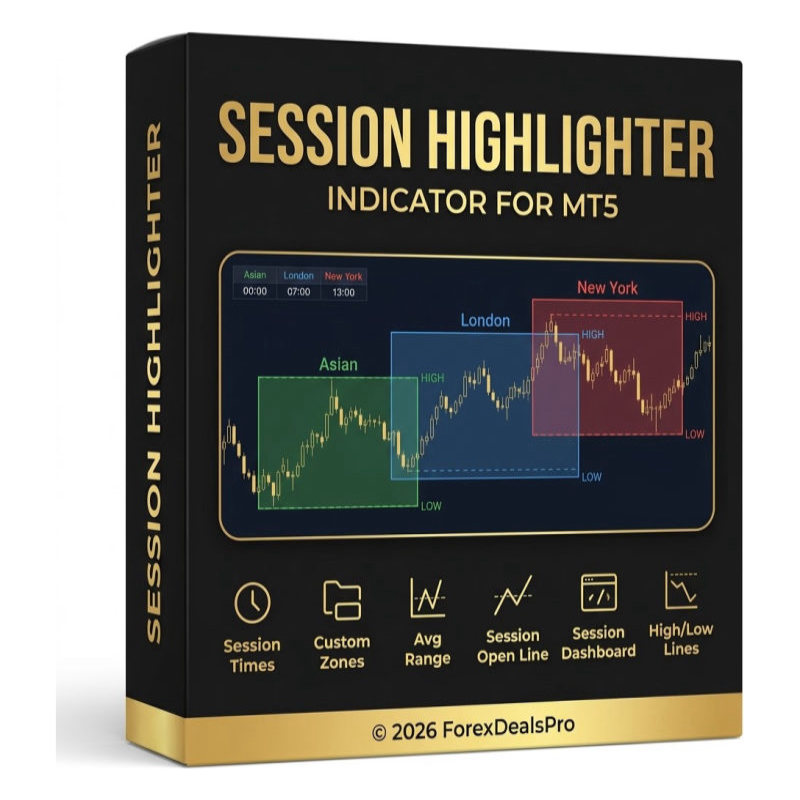
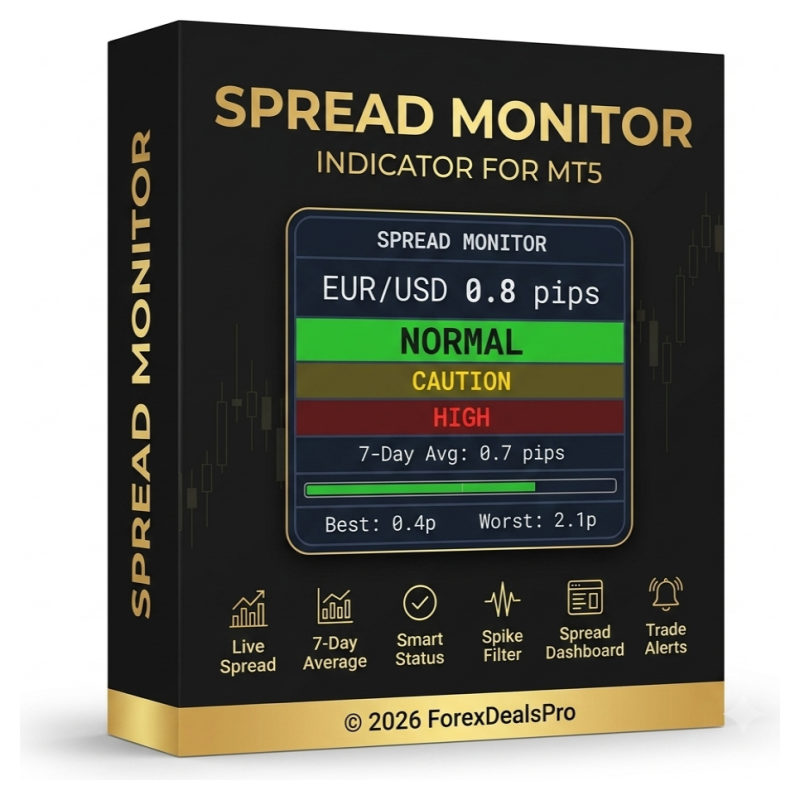
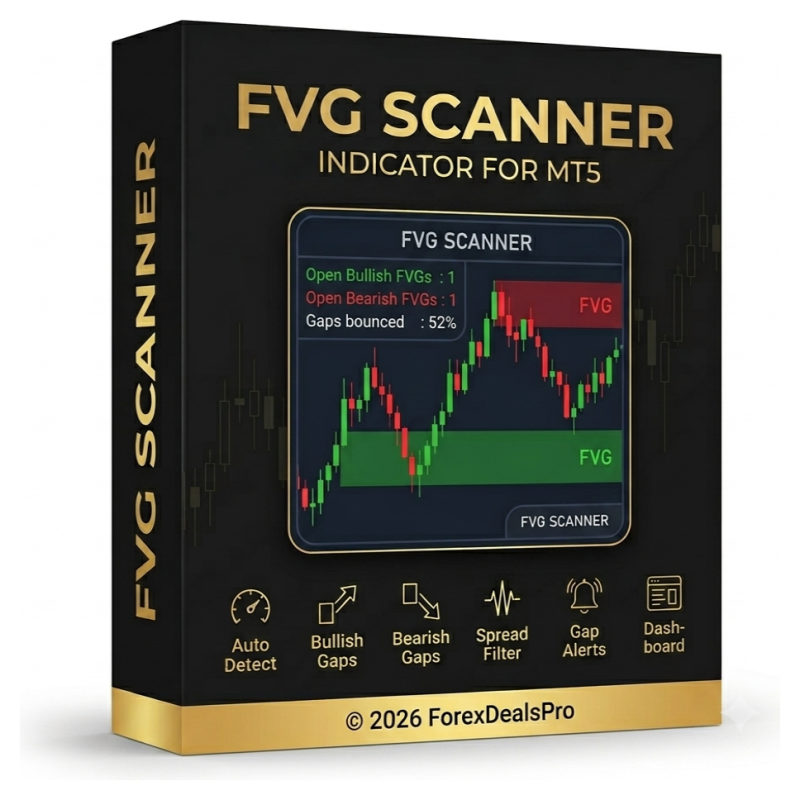
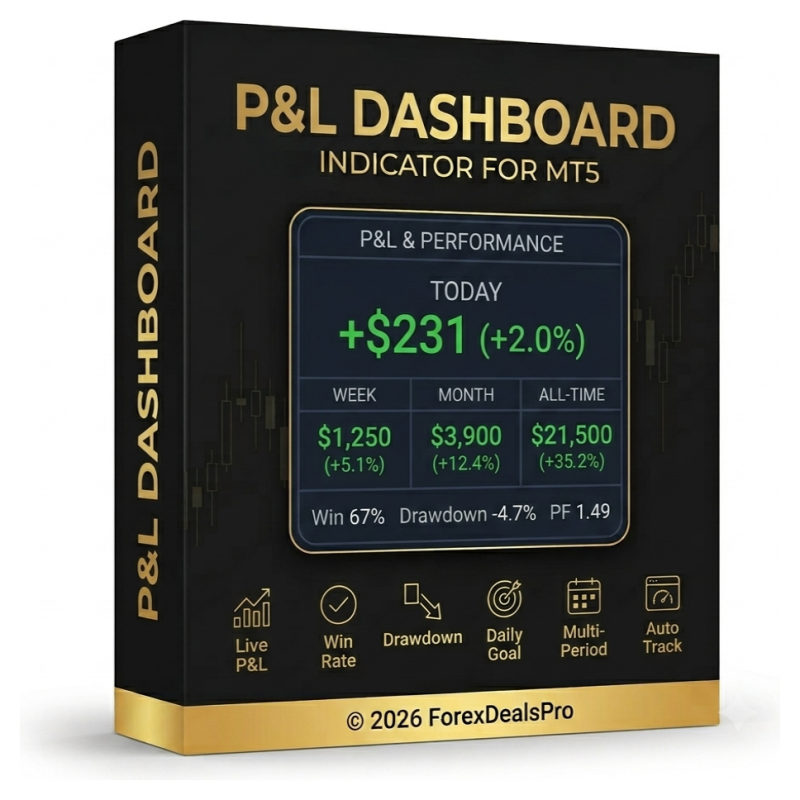
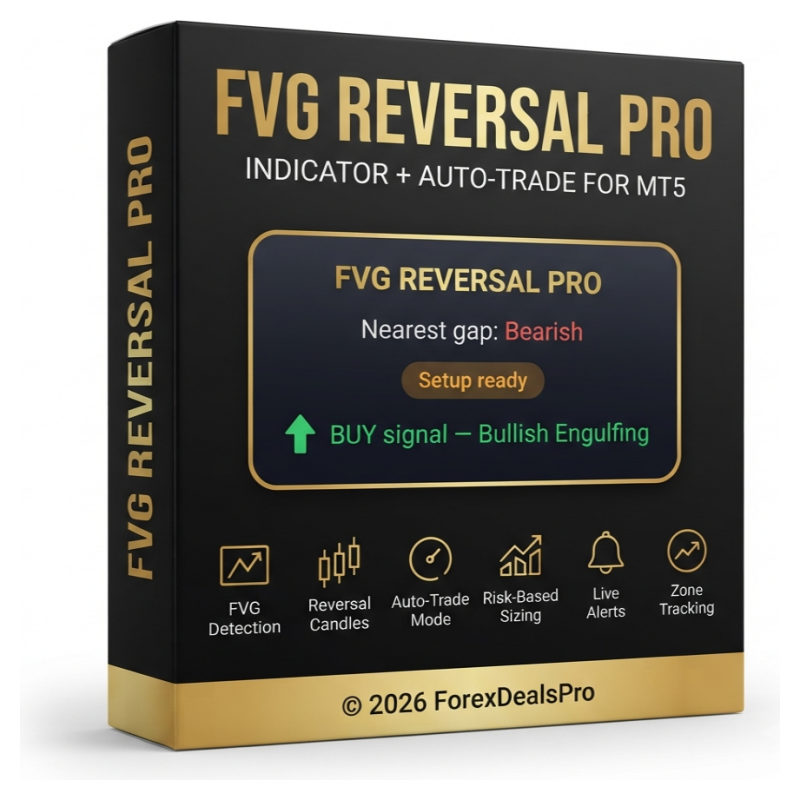
A growing library of professional MT5 indicators and Expert Advisors, built in-house to give you a genuine trading edge — and many are free to download.
Cashback - The Smart Way to Reduce Your Trading Costs
You earn on every trade.
Regardless of the outcome.
Cashback is a rebate paid on the spread or commission of every trade you execute - whether the trade wins or loses. It's the only trading benefit that never depends on market direction. The more you trade, the more you earn back, automatically.
How to start earning




Common Mistakes That Lead to Losses (and How to Avoid Them)
What the Numbers Say
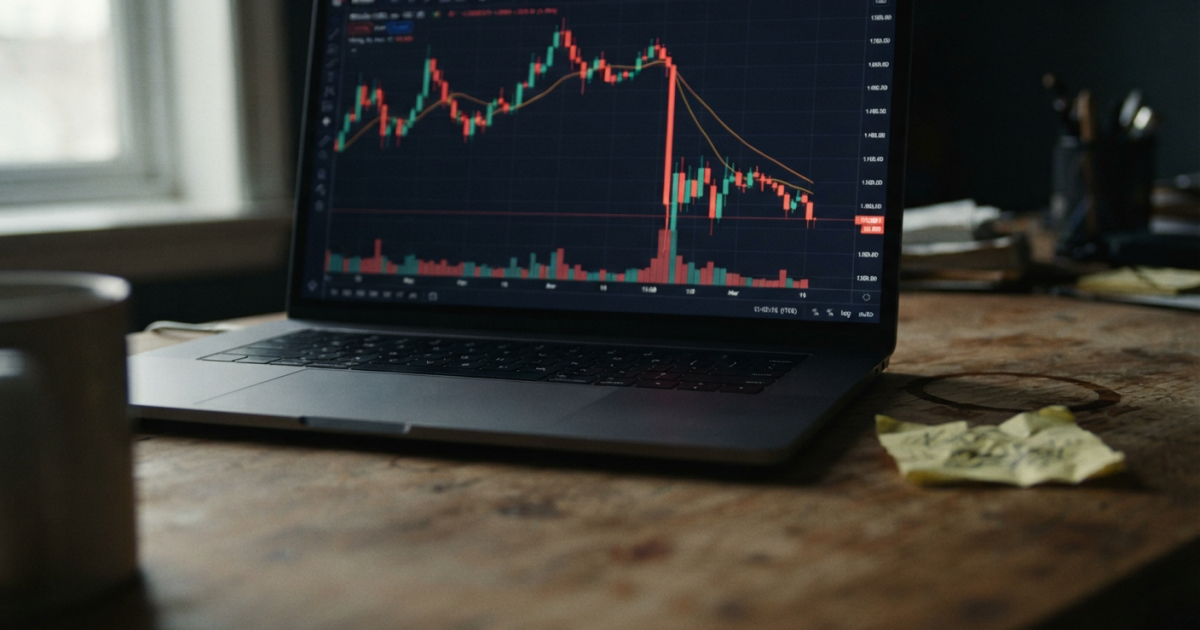
Most losing trades aren't caused by bad luck.
They're caused by small mistakes that seem harmless in isolation but become expensive when repeated over dozens or hundreds of trades.
Professional traders lose trades every week. The difference is that they usually lose in controlled, predictable amounts. Many beginners don't.
Before looking at the most common mistakes, it's worth understanding the reality of retail trading. If you're still getting familiar with the basics, our What Is Forex Trading guide is a good place to start first.
Forex trading can be profitable, but it's far from easy. According to the U.S. Commodity Futures Trading Commission (CFTC), roughly one-third of customers trading with registered off-exchange forex dealers made money, while around two-thirds lost money[1]. European regulators have reported even higher loss rates among retail CFD traders, which is why brokers in the UK and EU must prominently display the percentage of client accounts that lose money when trading CFDs[2].
Those figures don't mean success is impossible. They simply show that most traders make the same avoidable mistakes. Fortunately, those mistakes are well understood.
Mistake 1: Trading Without a Stop Loss
Every trade should have one question answered before it's opened: "At what price is this idea proven wrong?"
That price is where the stop loss belongs. Trading without one leaves every losing position with unlimited downside.
Equally damaging is placing a stop loss and then moving it further away after the market begins moving against you. The reasoning is usually familiar: "it'll come back." Sometimes it does. Eventually, one trade doesn't, and that single oversized loss can erase weeks of disciplined gains.
The purpose of a stop loss isn't to avoid losing. It's to decide in advance exactly how much you're prepared to lose before emotions become involved.
Mistake 2: Letting Leverage Decide Position Size
Many new traders start by asking: "how large a position can I open?" Experienced traders ask something different: "how much am I willing to lose?" Those are very different questions.
Leverage simply determines how much market exposure your account can control. It doesn't determine how much you should risk.
The correct order is always: decide your maximum monetary risk, choose the stop loss, then calculate the appropriate position size. Never reverse those steps.
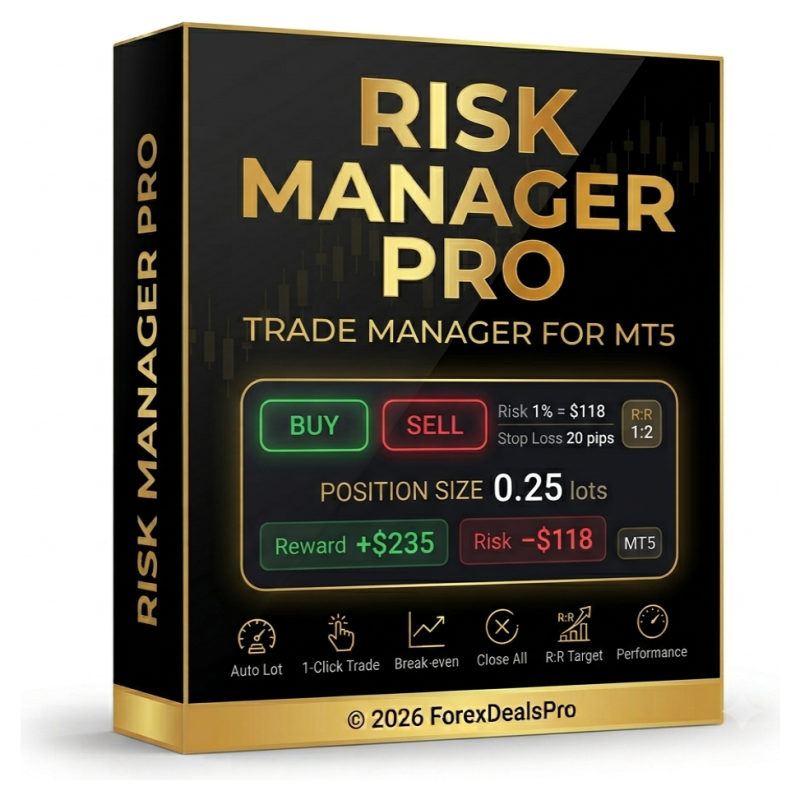
ForexDealsPro's free Risk Manager Pro calculates position size automatically from your chosen risk and stop loss distance. Removing manual calculations also removes one of the easiest mistakes to make under pressure.
Mistake 3: Trying to Win Back Losses Immediately
Every trader has experienced this thought: "I'll just make one more trade and get my money back." Unfortunately, that's exactly when discipline tends to disappear.
This behaviour is commonly called revenge trading. Instead of following your strategy, you're reacting emotionally to the previous result. That often leads to larger positions, lower-quality trade setups, ignoring risk limits, moving stop losses, and entering trades you would normally avoid.
The best defence isn't stronger willpower. It's removing the decision altogether. Many traders set a daily loss limit before the trading session begins. Once it's reached, trading stops until the following day.
Mistake 4: Ignoring Major Economic News
Markets don't move the same way all the time. During major economic announcements, volatility can increase dramatically. Interest-rate decisions, inflation reports and employment data often cause spreads to widen and prices to move faster than usual.
Even a correctly sized trade can experience slippage, meaning your stop loss is filled at a worse price than expected.
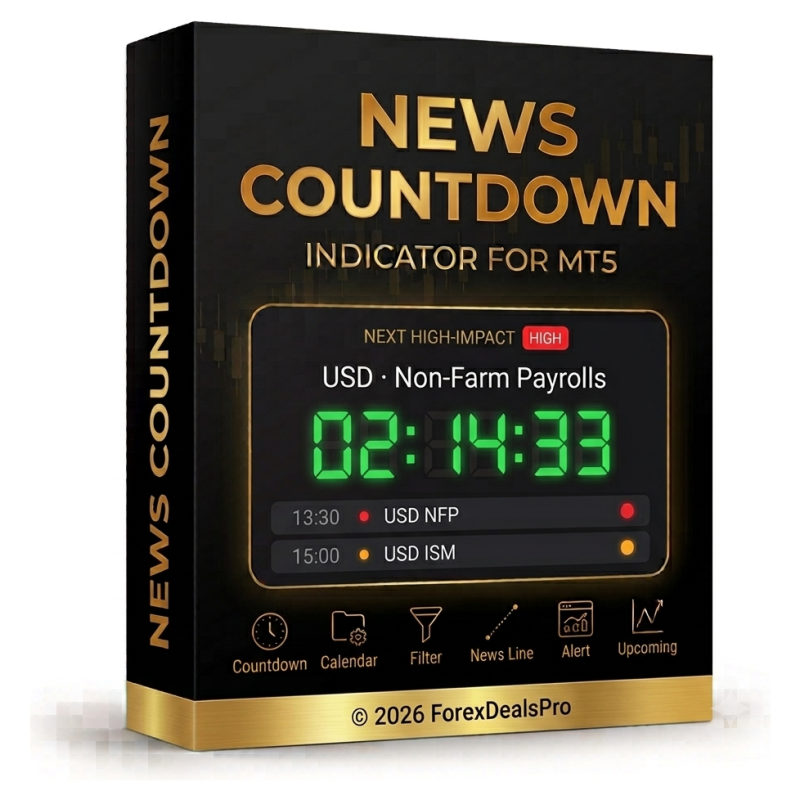
That doesn't mean news should always be avoided. It means it should never be ignored. Before opening any position, check whether an important announcement is due soon. ForexDealsPro's free News Countdown Timer gives a clear on-chart warning ahead of scheduled high-impact events, so this is a decision you make in advance rather than get caught by mid-trade.
Mistake 5: Choosing a Broker for the Wrong Reasons
Many beginners spend more time comparing welcome bonuses than comparing regulation. That's backwards.
Your broker holds your trading capital. Before depositing money, verify which financial regulator licenses the broker, whether client funds are held separately from company funds, what investor protections apply if the company becomes insolvent, and whether negative balance protection is available.
A generous promotion won't help if the broker itself isn't trustworthy. Choosing a well-regulated broker is part of risk management, not a separate decision. Our Forex Broker Regulation Explained and How to Choose a Forex Broker guides cover exactly what to check before depositing anything.
Mistake 6: Trading Without a Written Plan
Imagine trying to improve at any sport without recording what you're doing. Trading is no different.
Before every trade, write down why you're entering, your entry price, your stop loss, your profit target, and your position size. This takes less than a minute. More importantly, it creates accountability.
After twenty or thirty trades, you'll have objective evidence showing whether your strategy works, or whether your biggest losses come from breaking your own rules. Without that record, memory becomes selective. Most traders remember their winning trades far more clearly than their mistakes.
A Simple Pre-Trade Checklist
Before every position, ask yourself:
- Do I have a clear reason for entering?
- Have I placed a stop loss?
- Is my position size based on risk rather than leverage?
- Is there any major economic news due shortly?
- Does this trade fit my written plan?
- Am I following my strategy, or reacting emotionally?
If you can't confidently answer "yes" to every question, it's worth waiting. The market will always provide another opportunity.
The Bottom Line
There isn't one mistake that causes most traders to lose money. It's usually several small mistakes happening together: a position that's slightly too large, a stop loss that's moved "just this once," one emotional trade after a loss, an ignored news announcement.
Over time, those decisions compound. The encouraging part is that each of them is entirely within your control.
Successful trading isn't about predicting the market perfectly. It's about making consistently good decisions, even when the market doesn't do what you expected. Avoiding the biggest mistakes won't guarantee profits, but it will dramatically improve your chances of still being in the market long enough for skill and experience to make a difference.
Frequently Asked Questions
Regulator-published figures are consistently high. The CFTC states roughly two-thirds of customers at registered off-exchange forex dealers lost money, and European regulators have reported even higher loss rates among retail CFD accounts.
Widening a stop loss after entry, specifically because the original level has already been reached or is about to be, generally defeats the purpose of having set it in the first place. A stop loss adjusted based on genuinely new information before the level is reached is a different, more defensible situation.
ForexDealsPro's free News Countdown Timer displays a clear on-chart warning ahead of scheduled high-impact economic events, so the decision to reduce size, widen a stop, or step aside can be made in advance rather than reacted to in the moment.
Not by itself, but it's a mistake to let a bonus outweigh checking the broker's actual regulation and how client funds are protected. A generous promotion doesn't make an unregulated or poorly regulated broker safe to deposit with.
References
References
- U.S. Commodity Futures Trading Commission: Customer Advisory — Eight Things You Should Know Before Trading Forex: cftc.gov — Eight Things You Should Know Before Trading Forex
- European Securities and Markets Authority: Product Intervention Analysis — Measures on Contracts for Differences, ESMA50-162-215, 1 June 2018: esma.europa.eu — Product Intervention Analysis (PDF)
About Us
Your trusted gateway to elite forex deals, broker reviews, and smarter trading.
What We Do
We research, verify, and curate the best broker deals, cashback programmes, and trading promotions available in the market, updated regularly so you always have access to what is current and relevant. Alongside our deals, we publish independent broker reviews built on objective criteria: regulatory standing, trading conditions, platform quality, and client protections.
Who We Are
ForexDealsPro is run by a dedicated team of trading and finance professionals with over a decade of combined market experience. That hands-on knowledge informs everything we publish, from the brokers we feature to the way we explain complex trading concepts in plain language.
We operate as an affiliate information platform. We earn a commission when you open an account through our links, at no additional cost to you. This model allows us to keep the platform free, independent, and focused entirely on trader value.
Our Standards
- We only feature brokers regulated by recognised financial authorities
- Every deal and promotion is verified before publication
- Broker ratings are independent and never influenced by commercial relationships
- Affiliate partnerships are always disclosed transparently
Our Editorial Process
All articles published on ForexDealsPro are thoroughly researched using primary regulatory sources, industry reports, and reputable financial publications, then verified for accuracy before publication. Our editorial team holds combined experience in forex trading, financial analysis, and compliance.