Your Gateway to Elite Forex Deals
Discover exclusive broker promotions, powerful trading tools, and insights to trade smarter.
Offers Worth Your Attention
Hand-picked promotions, cashback, and risk-protection deals - updated monthly by our team.
ForexDealsPro Cashback
Up to $11 back per lot, via XM
- Paid on every trade, win or lose
- Automatic, no claims needed
- Real, verified rebate rates
- No extra cost to trade
1st Trade Secured
Covered up to $100, via TradeRise
- Loses? You get covered
- Wins? You keep the profit
- No minimum deposit required
- One-time offer per account
No-Deposit Bonus
$30 free to trade, via XM
- No deposit required to start
- Trade real market conditions
- Withdraw eligible profits
- Sign-up takes under 5 minutes


Get Paid on Every Trade You Make
Earn rebates on every trade you execute. Cashback rates are transparent, automatic, and paid straight into your account.
All Broker Promotions
All current promotions · Filter by broker below
Brokers Review
Regulated, reviewed, and independently rated - compare in seconds
Broker Comparison Table
Regulated, reviewed, and independently rated - compare in seconds
| Broker | Est. ▲ | Spread EUR/USD ▲ | Min. deposit ▲ | Regulation | Platform | Trustpilot Rating ▲ | Action |
|---|
Best Forex Brokers by Country
Regulated brokers that accept traders in your country — hand-picked by region, with local deposit methods and the best deals for each market.


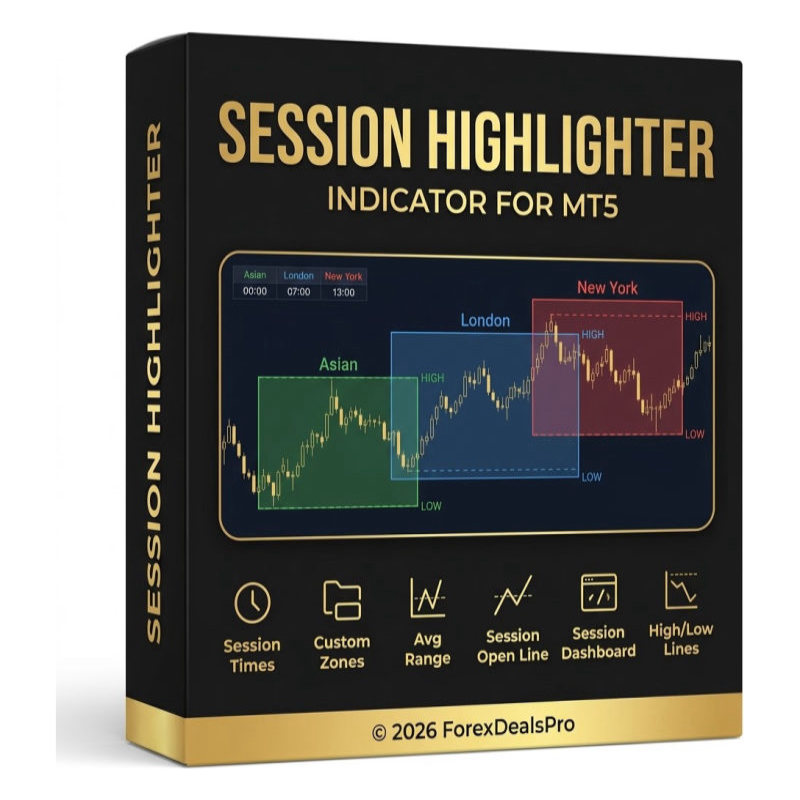
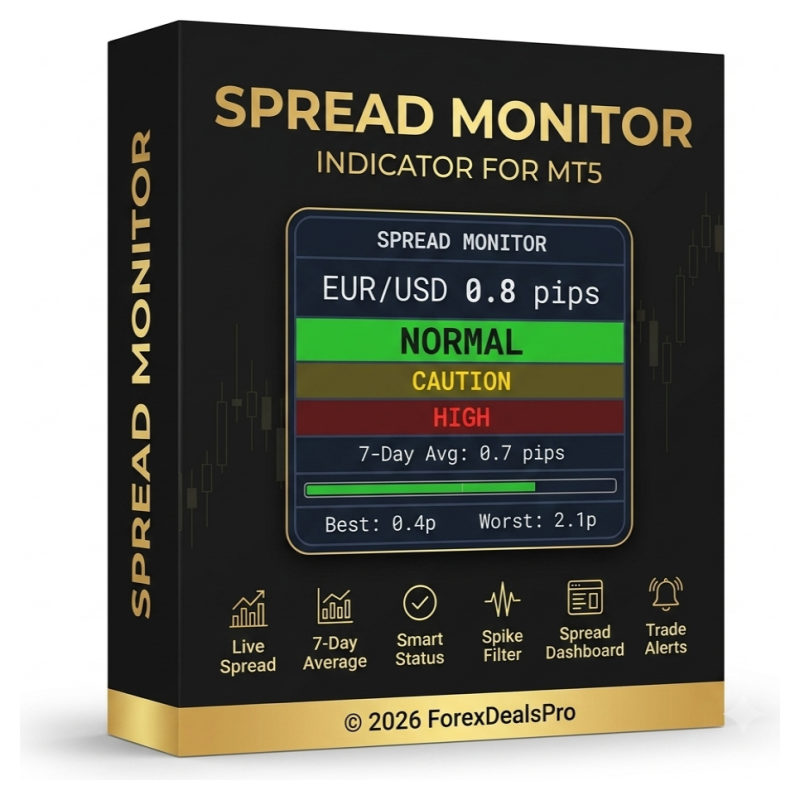
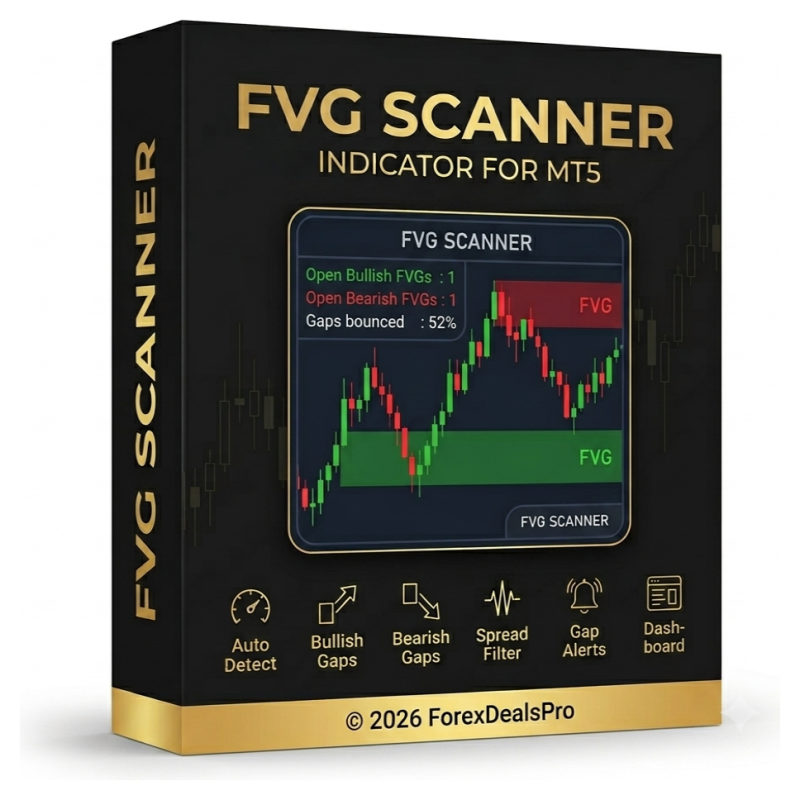
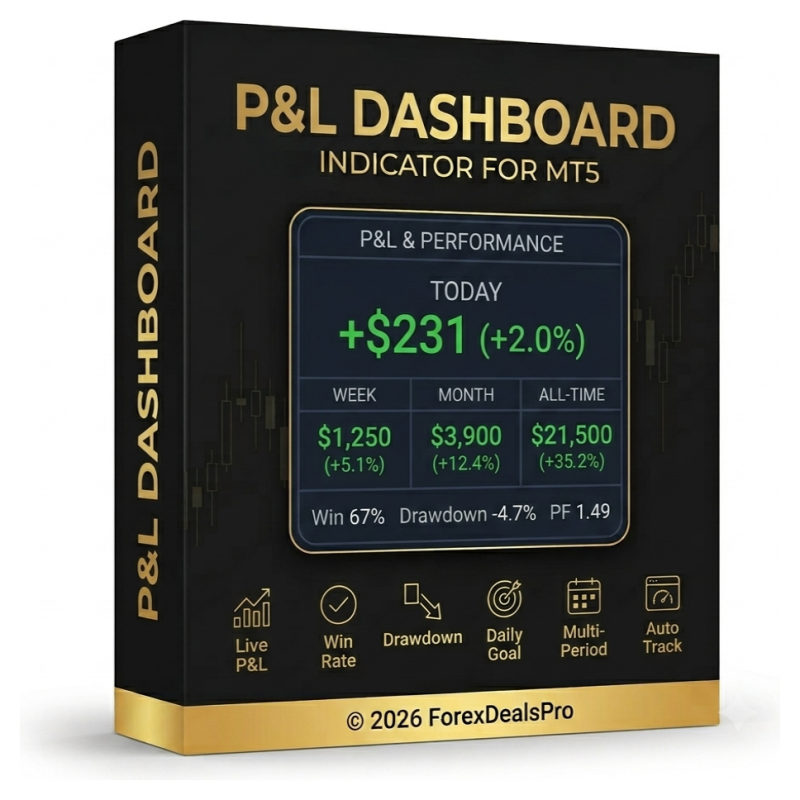
MT4/MT5 Indicators & Expert Advisors
A growing library of professional MT5 indicators and Expert Advisors, built in-house to give you a genuine trading edge — and many are free to download.
Cashback - The Smart Way to Reduce Your Trading Costs
You earn on every trade.
Regardless of the outcome.
Cashback is a rebate paid on the spread or commission of every trade you execute - whether the trade wins or loses. It's the only trading benefit that never depends on market direction. The more you trade, the more you earn back, automatically.
How to start earning



What to Check Before Opening a Forex Trading Account in Ghana
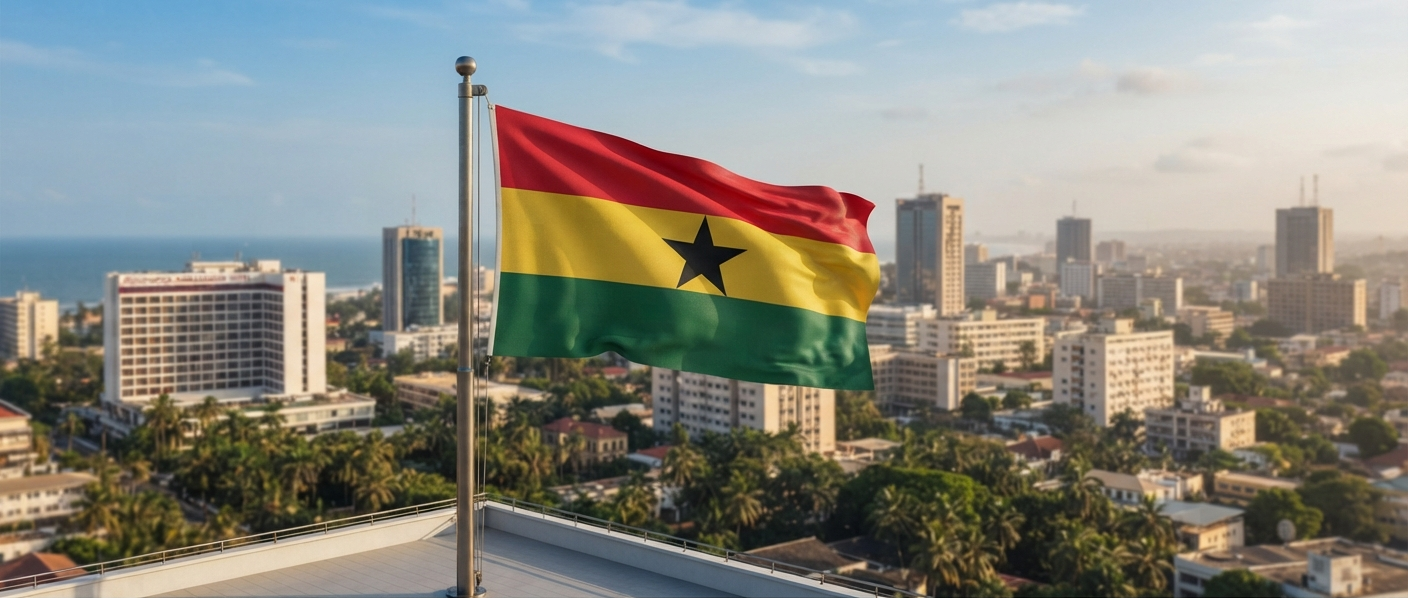
Ghana's Retail Forex Market
Opening a forex trading account is a big decision, and Ghana's market has grown quickly enough that there's no shortage of brokers competing for it. Some are reliable. Others create real problems with deposits, withdrawals, or support once you're actually a client rather than a prospect. That's why this article walks through what to check before funding an account, then compares brokers commonly used by Ghanaian traders.
There's still no dedicated forex/CFD brokerage licence in Ghana, so a trader's job is largely the same as it's always been: do your own research and verify the broker independently rather than assume. Ghana's securities regulator is also actively working on strengthening its regulatory framework, including a June 2026 directive requiring online investment and trading platforms to register with the Commission by August 31, 2026.
If you're new to forex generally, our What Is Forex Trading guide is a good place to start first, and our wider Forex Trading in Africa 2026 guide covers how Ghana compares with Nigeria, Kenya, and other markets. For deeper broker-by-broker detail, see ForexDealsPro's dedicated Ghana broker page.
1. Regulation and Trustworthiness
This comes first for a reason. Two Ghanaian bodies matter here, and they cover different things, which is a genuinely common point of confusion. The Bank of Ghana (BoG) is the country's central bank: it sets monetary policy, publishes the cedi's official exchange rates, and licenses the Forex Bureaux that exchange physical foreign currency cash, commonly used for travel and remittances[1]. That's a different activity from opening an online trading account with a broker.
Online retail forex and CFD trading falls instead under the Securities and Exchange Commission (SEC) Ghana, operating under the Securities Industry Act, 2016 (Act 929), as amended[2]. Historically the SEC hasn't issued a dedicated licence category specifically for retail forex/CFD brokerage, which is why Ghanaian traders have typically used brokers regulated elsewhere. Separately, a June 2026 SEC directive requires online investment and trading platforms to register with the Commission by August 31, 2026, with non-compliance risking licence review, suspension, or revocation[3]. It's not yet clear whether that directive extends to offshore forex brokers with no Ghana presence, but it signals the SEC is actively tightening oversight of this space.
Since there's no dedicated licence category yet, a Ghanaian trader's actual broker is typically onboarded through a separate, more lightly regulated entity, commonly licensed in Mauritius, Seychelles, Saint Vincent and the Grenadines, or Vanuatu, rather than the same entity behind the broker's better-known ASIC, CySEC, FCA, or FSCA licence. That doesn't make the broker automatically untrustworthy, since it's standard practice across brokers serving markets without a local licence. What matters more is choosing a broker whose wider group holds regulation in multiple credible jurisdictions, has a global presence, and has an established track record.
Before depositing, check:
- The exact legal entity name in the sign-up terms
- Its regulator and licence number, verified directly on the regulator's own register
- Whether that same entity is the one named in your client agreement
- Whether the platform appears on the SEC's own warning list, covered further down
2. Easy and Fast Onboarding
A broker can check every other box and still lose you at the first step if verification takes days, asks for documents you can't easily provide, or turns into back-and-forth with support just to get approved. A slow, confusing sign-up process is reason enough on its own for a trader to give up before ever placing a trade. Before committing, check recent reviews or ask support directly how long verification usually takes and exactly what documents are required.
3. Deposit and Withdrawal Methods That Actually Work From Ghana
Mobile money is the dominant way Ghanaians move money day to day, but not every broker accepts it directly. Brokers that work well for Ghanaian traders usually support:
- MTN Mobile Money, Ghana's largest mobile money service, where the broker offers it directly
- AirtelTigo Money and Vodafone Cash (now Telecel Cash), on brokers that support them
- Bank transfer or card payment, which several brokers use instead of mobile money
- Cryptocurrency, commonly Bitcoin and USDT, supported by all four brokers featured below as a deposit and withdrawal option
Confirm the current options directly on the broker's own deposit page rather than assuming because a different broker supports it, and check whether any method carries a fee on the broker's side, separate from the network operator's, bank's, or blockchain's own transaction charges.
Trading accounts are typically USD-denominated, so the cedi/USD exchange rate on the day of deposit affects how much trading capital your cedi deposit actually converts to.
4. Trading Costs: Spreads, Commissions and the Fees That Don't Make the Homepage
A broker advertising the tightest spread isn't automatically the cheapest one for you. Spread, commission, overnight swap charges, and withdrawal fees all affect what a trade actually costs, and a broker advertising the tightest spread isn't automatically the cheapest once every fee is accounted for.
Spread is part of the real answer, but it's not the whole answer on its own. What actually matters is the full cost to open, hold, and close the positions you intend to trade, not any single number in isolation. That distinction matters more the more often you trade, or the longer you tend to hold positions overnight.
5. Minimum Deposit and Account Types
Brokers commonly advertise minimum deposits of $5 to $20, though the exact minimum can vary by account type, payment method and jurisdiction. That's useful if you want to trade with real money without risking a large amount while you're still learning, but a low minimum deposit isn't the same as having enough capital to trade a given strategy responsibly. That's worth keeping in mind alongside the risk-management points covered further down.
6. Trading Platform and Mobile Access
For traders who manage their accounts from a phone, a broker's mobile app quality isn't a minor detail; it's a real practical priority. MetaTrader 4 and MetaTrader 5 remain the most widely used platforms, and most brokers also run their own apps alongside them. Our MT4 vs MT5 guide covers the real differences if you're deciding between the two.
Before testing anything, confirm the broker actually offers what you need: MT4, MT5, or its own app, and whether that platform is available on both iOS and Android. Then test it on a demo account first. Check how quickly orders execute, whether charts load properly on your actual network, and whether the app holds up during a volatile session rather than freezing at the worst possible moment.
7. Customer Support, Tested Before You Need It
English is Ghana's official language, so that's less of a barrier here than in some other markets. What actually varies is how clearly and quickly support answers a specific question about your account or a withdrawal, not whether a broker advertises "24/5 support."
Some brokers run a local office or team serving Ghanaian clients directly; others handle everything through international channels. Neither is automatically better; it depends on what you'd prefer. If responsive support matters to you, the best way to know is to test it yourself before depositing: exchange a few messages with support or an account manager, not just one, and see how consistently they respond, rather than taking a support badge at face value.
8. Leverage, Risk Tools and Protections
Leverage is one of the first things Ghanaian traders compare between brokers, since it determines how large a position you can open with a given amount of capital. But a bigger number isn't automatically better: leverage increases both potential gains and potential losses in equal measure, so more of it just means less margin is required to open the same position, which can just as easily tempt you into a position too large for your actual risk tolerance. Your position size should come from your own risk limit and stop-loss distance, not the leverage cap on offer.
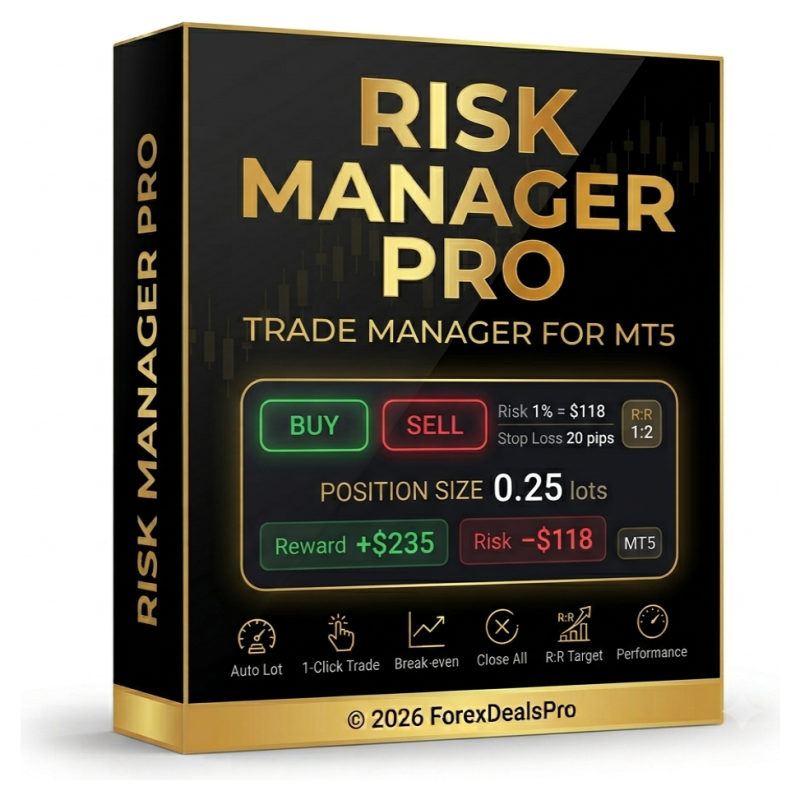
Our Forex Risk Management guide covers position sizing around a defined percentage of account risk, and ForexDealsPro's free Risk Manager Pro indicator calculates position size automatically from your chosen risk percentage and stop-loss distance.
Beyond the leverage figure itself, what traders should really be comparing is what's available if something goes wrong: whether client funds are held in a segregated account, whether negative balance protection applies, and whether an investor-compensation scheme applies to the specific entity and jurisdiction holding your account, not just the broker's brand as a whole. Good brokers also give you the tools to manage risk yourself: adjustable leverage, stop-loss and take-profit orders, and margin alerts.
9. Reputation and the SEC's Warning List
Talk to other traders before you commit. Forums, Telegram groups, and recent reviews from people actually trading from Ghana can surface real patterns a broker's own marketing never will, especially around withdrawals. Read this critically, though: not every complaint is the broker's fault, and a genuine pattern across several unrelated people matters more than a single frustrated post.
In a public notice dated July 22, 2026, Ghana's SEC named 23 specific entities operating on social media and online platforms that it confirmed are not licensed to carry out capital market activities under Sections 3 and 208(c) of the Securities Industry Act, 2016 (Act 929), as amended[4]. The SEC said it's working with law enforcement to identify the people behind the schemes, and urged the public to confirm a company's licensing status with the SEC directly, rather than trusting the platform's own claims, before handing over funds.
The specific names on that list matter less than the habit it points to: checking a broker against the SEC's own published notices before depositing is a genuinely useful, low-effort step, and the SEC has indicated it continues to flag new unlicensed platforms as it finds them.
Always deposit through the broker's official website, app, or payment method listed in your account portal, never through a link sent by an "agent," an introducer, or a contact on WhatsApp or social media claiming to process payments on the broker's behalf. Impersonation and fake broker sites are a real risk in this market, and money sent outside the broker's own official payment channel is very difficult to recover.
Test With a Small Deposit Before Committing More
Once you've gone through the checks above, there's still a real difference between a broker looking right on paper and working well in practice. A demo account is useful for getting familiar with the platform itself, but it runs on simulated pricing, not the broker's real liquidity, so it can't show you real execution, slippage, or fill quality.
What a small real deposit can show you instead is how the deposit process actually behaves, how support responds to a real question, and how fast a withdrawal actually processes. Fund a small amount first, before committing what you actually intend to trade with, and see how all three play out before trusting the broker with more.
Some brokers also run promotional offers that can help with this. XM's $30 no-deposit offer, where available under its current terms, lets eligible traders experience live market conditions without depositing their own money first. TradeRise's first-trade offer works differently: it covers your first live trade up to $100 under the offer's stated terms, which means you can test a real deposit, a real trade, and a real withdrawal with that one trade's downside capped. Always read the exact eligibility and withdrawal conditions before relying on either.
Broker Options for Ghanaian Traders
How we selected these brokers: we considered regulatory status, availability to Ghanaian traders, minimum deposit, funding and withdrawal options, trading costs, platform quality, customer support, and risk-management features. Our dedicated Ghana broker page has the fuller comparison and methodology.
Four brokers feature in ForexDealsPro's research for Ghanaian traders, each fitting a different priority rather than one being the outright best, and none appears on the SEC's own warning list described above.
XM
Regulated across CySEC, FSCA, DFSA, and the CMA, and one of the few brokers here that supports MTN Mobile Money directly. Suits traders starting with a smaller amount, with a $5 minimum deposit. See our full XM review for more detail.
IC Markets
Dual-regulated under ASIC and CySEC. Fits traders focused on execution speed and raw spreads. See our full IC Markets review for more detail.
AvaTrade
Licensed across five continents, including the Central Bank of Ireland and ASIC. Suits traders who value education and platform choice, with commission-free trading on many products. Mobile money isn't a direct funding option, so Ghanaian clients typically deposit by bank transfer or card. See our full AvaTrade review for more detail.
PUPRIME
Regulated by ASIC and FSCA, with a $20 minimum deposit and a copy-trading feature some newer traders use to observe how other accounts are managed. See our full PUPRIME review for more detail.
High-leverage offshore brokers are another category some traders specifically look for, beyond these four, offering leverage well past what any of them provide. For example, TradeRise falls into that category, regulated by the FSA in Seychelles and offering leverage up to 1:5000. Do your own due diligence on the specific entity and its terms before opening an account.
That's a genuinely different risk category, not a better or worse one: high leverage on its own isn't a benefit, and it only becomes useful once you already understand position sizing. Our full TradeRise review covers its regulatory status and terms in more detail.
There isn't one broker that's automatically right for every Ghanaian trader. It depends on your priorities, and if the main reason you're drawn to one is simply the leverage number, that's usually a sign to slow down and check the regulatory entity, withdrawal process, and real trading costs first.
Frequently Asked Questions
Trading through a properly licensed offshore broker is common practice in Ghana and not something individual traders have faced prosecution for. Neither the Bank of Ghana nor the SEC currently issues a dedicated retail forex/CFD brokerage licence domestically, so trading through an internationally regulated broker is the standard approach most Ghanaian traders take.
The Bank of Ghana handles monetary policy, publishes the cedi's official exchange rates, and licenses Forex Bureaux for physical currency exchange. The SEC is Ghana's securities regulator, and its mandate under the Securities Industry Act, 2016 (Act 929) covers registering online investment and trading platforms serving Ghanaian clients.
In a directive issued June 23, 2026, Ghana's SEC required online investment and trading platforms to register with the Commission by August 31, 2026, with non-compliance risking licence review, suspension, or revocation. It's not yet clear whether this extends to offshore forex brokers with no Ghana presence, though it signals tighter oversight ahead.
Ghana's SEC periodically publishes public notices naming specific unlicensed platforms, including a July 2026 notice naming 23 entities. Checking a broker's name against the SEC's own published notices before depositing is a quick, direct way to rule out platforms the regulator has already flagged.
Some brokers, including XM, support MTN Mobile Money deposits and withdrawals directly. Others, including AvaTrade, don't offer mobile money as a direct funding option, so Ghanaian clients typically use bank transfer or card instead. Always confirm supported methods on the broker's own deposit page rather than assuming.
No. A Forex Bureau is a Bank of Ghana-licensed business that buys and sells physical foreign currency cash, commonly used for travel. Opening an online trading account with a forex/CFD broker is a different activity, regulated separately by the SEC, and Forex Bureau licensing has no bearing on whether a given online broker is a well-regulated choice.
References
- Bank of Ghana: Exchange Rate: bog.gov.gh/economic-data/exchange-rate
- Securities and Exchange Commission, Ghana: Securities Industry Act, 2016 (Act 929) (official text): sec.gov.gh — Securities Industry Act 2016 (Act 929)
- Securities and Exchange Commission, Ghana: Directive to Market Operators, Fintech Service Providers, and Persons Owning and/or Operating Online Investment and Trading Platforms (June 23, 2026): sec.gov.gh — Registration Directive
- Securities and Exchange Commission, Ghana: Public Notice — List of Entities Operating Without a License (July 22, 2026): sec.gov.gh — Public Notice: Unlicensed Entities
Regulatory information was checked against publicly available information from the Bank of Ghana and SEC as of August 2026. Licensing status and exchange rates can change, so verify current details directly with the relevant body before depositing funds.
About Us
Your trusted gateway to elite forex deals, broker reviews, and smarter trading.
What We Do
We research, verify, and curate the best broker deals, cashback programmes, and trading promotions available in the market, updated regularly so you always have access to what is current and relevant. Alongside our deals, we publish independent broker reviews built on objective criteria: regulatory standing, trading conditions, platform quality, and client protections.
Who We Are
ForexDealsPro is run by a dedicated team of trading and finance professionals with over a decade of combined market experience. That hands-on knowledge informs everything we publish, from the brokers we feature to the way we explain complex trading concepts in plain language.
We operate as an affiliate information platform. We earn a commission when you open an account through our links, at no additional cost to you. This model allows us to keep the platform free, independent, and focused entirely on trader value.
Our Standards
- We only feature brokers regulated by recognised financial authorities
- Every deal and promotion is verified before publication
- Broker ratings are independent and never influenced by commercial relationships
- Affiliate partnerships are always disclosed transparently
Our Editorial Process
All articles published on ForexDealsPro are thoroughly researched using primary regulatory sources, industry reports, and reputable financial publications, then verified for accuracy before publication. Our editorial team holds combined experience in forex trading, financial analysis, and compliance.