Your Gateway to Elite Forex Deals
Discover exclusive broker promotions, powerful trading tools, and insights to trade smarter.
Offers Worth Your Attention
Hand-picked promotions, cashback, and risk-protection deals - updated monthly by our team.
ForexDealsPro Cashback
Up to $11 back per lot, via XM
- Paid on every trade, win or lose
- Automatic, no claims needed
- Real, verified rebate rates
- No extra cost to trade
1st Trade Secured
Covered up to $100, via TradeRise
- Loses? You get covered
- Wins? You keep the profit
- No minimum deposit required
- One-time offer per account
No-Deposit Bonus
$30 free to trade, via XM
- No deposit required to start
- Trade real market conditions
- Withdraw eligible profits
- Sign-up takes under 5 minutes


Get Paid on Every Trade You Make
Earn rebates on every trade you execute. Cashback rates are transparent, automatic, and paid straight into your account.
All Broker Promotions
All current promotions · Filter by broker below
Brokers Review
Regulated, reviewed, and independently rated - compare in seconds
Broker Comparison Table
Regulated, reviewed, and independently rated - compare in seconds
| Broker | Est. ▲ | Spread EUR/USD ▲ | Min. deposit ▲ | Regulation | Platform | Trustpilot Rating ▲ | Action |
|---|
Best Forex Brokers by Country
Regulated brokers that accept traders in your country — hand-picked by region, with local deposit methods and the best deals for each market.


MT4/MT5 Indicators & Expert Advisors
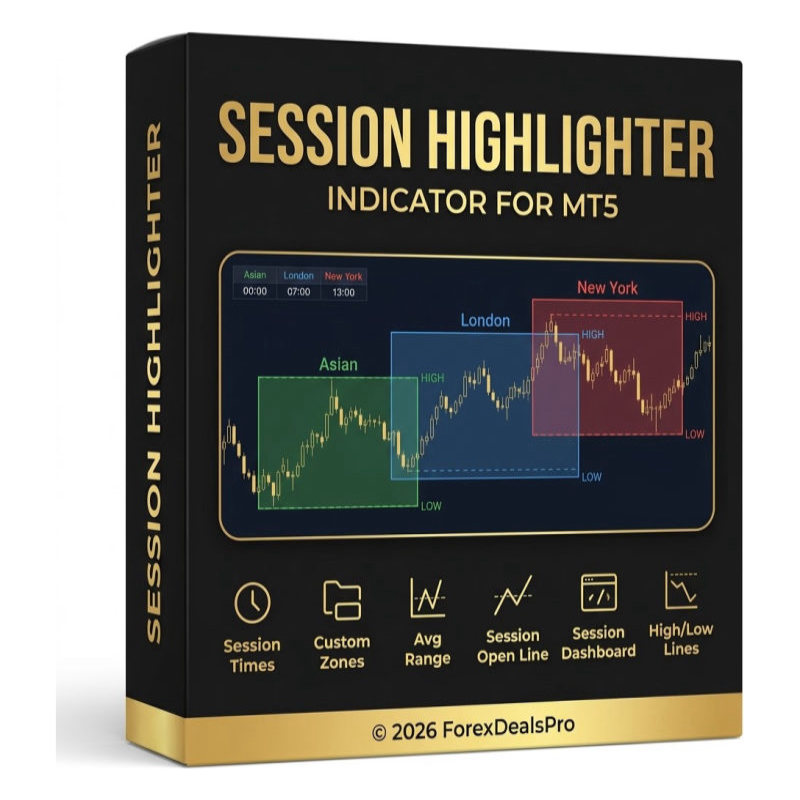
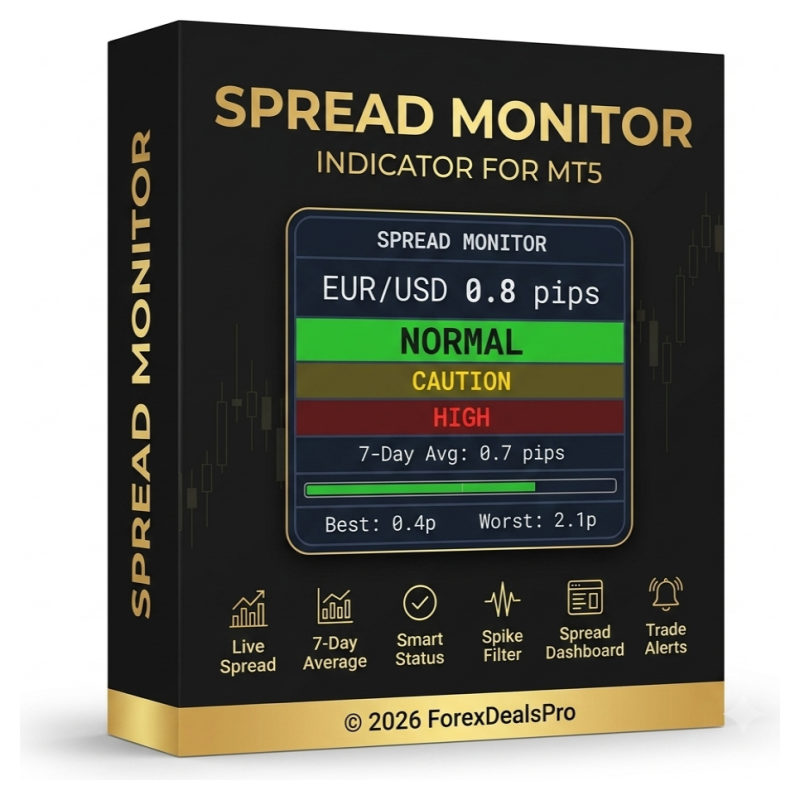
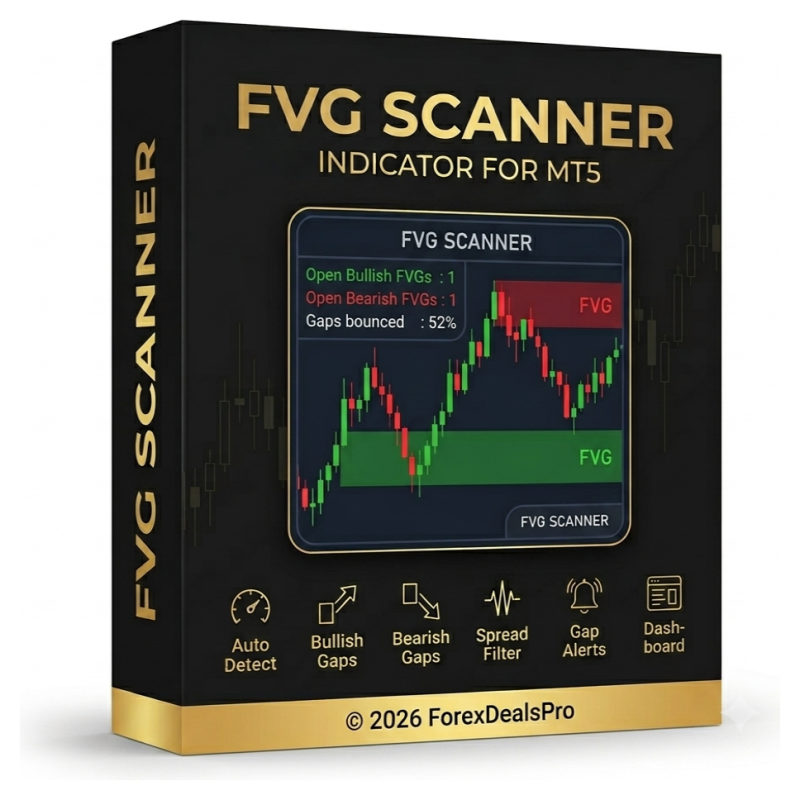
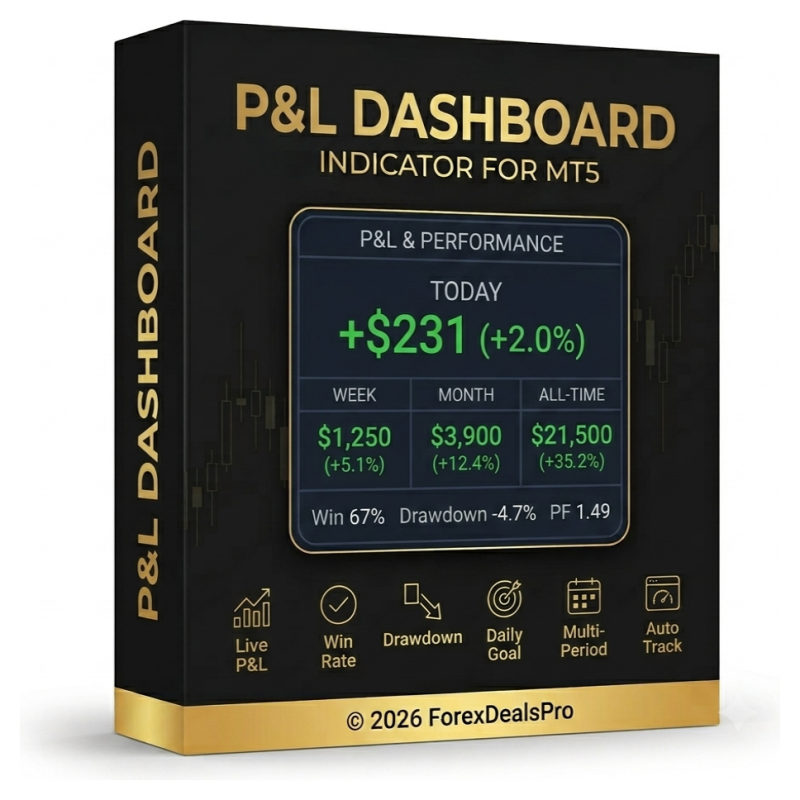
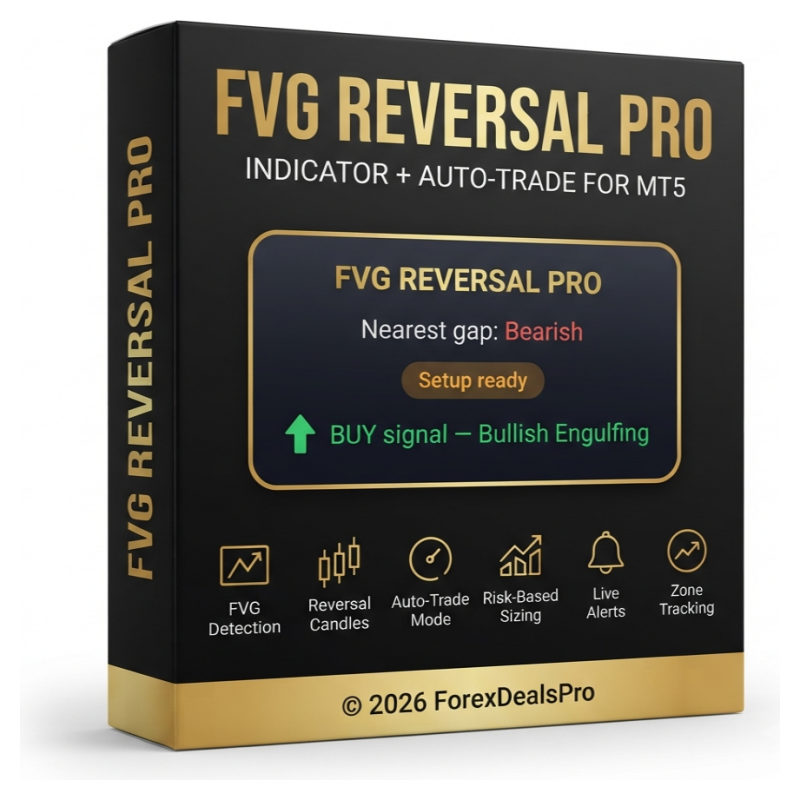
A growing library of professional MT5 indicators and Expert Advisors, built in-house to give you a genuine trading edge — and many are free to download.
Cashback - The Smart Way to Reduce Your Trading Costs
You earn on every trade.
Regardless of the outcome.
Cashback is a rebate paid on the spread or commission of every trade you execute - whether the trade wins or loses. It's the only trading benefit that never depends on market direction. The more you trade, the more you earn back, automatically.
How to start earning




Forex Trading in Southeast Asia 2026: Vietnam, Indonesia, Thailand & the Philippines
Southeast Asia's Growing Retail Forex Market
Vietnam, Indonesia, Thailand, and the Philippines are four of Southeast Asia's most active retail forex markets, but they don't share a single regulatory approach. Each country's central bank or securities regulator treats retail forex and CFD trading differently, and none of the four currently issues a licence to the kind of internationally regulated broker many local traders actually use. If you're new to any of this, our What Is Forex Trading guide covers the basics before you go further.
What all four markets have in common is that a large share of retail trading happens through offshore brokers regulated somewhere else, typically Australia, Cyprus, the UK, or Seychelles. That makes the question "is forex trading legal here" less useful than the more practical one: which regulator actually applies to your account, and what protection does that give you. This article walks through each country on those terms, then points to ForexDealsPro's dedicated country pages for the deeper broker-by-broker detail.
This offshore-broker pattern isn't unique to these four countries, and it isn't a workaround or a loophole. It's simply how retail forex access has developed across most of Southeast Asia: a domestic securities or commodities regulator handles registration and investor protection at a national level, while the actual trading account sits with a broker licensed in a jurisdiction that has built out a dedicated retail forex/CFD framework. Understanding which regulator does what in your own country is the more useful starting point than assuming the situation looks the same everywhere.
Trading hours are also a shared factor across the region. Traders in Vietnam, Indonesia, Thailand, and the Philippines all sit inside or close to the Tokyo session window, with meaningful overlap into the London open later in the day, and that overlap period is typically when volatility and liquidity both increase, though the exact effect still depends on economic releases and broader market conditions rather than the time of day alone. Whether the question is forex trading hours in Thailand, the best time to trade in Vietnam, or session timing anywhere else in the region, the underlying answer is the same overlap window. Our Forex Trading Sessions Explained guide breaks down exactly when that happens for Asian-hours traders.
Regulation at a Glance
A curated comparison, not an exhaustive legal summary. Each country section below covers the practical detail, and figures and regulatory status were checked against publicly available information from each regulator. Licensing status can change, so verify current details directly with the relevant regulator before depositing funds.
| Country | Primary Regulator(s) | Retail Forex/CFD Licensing | Common Local Deposit Method |
|---|---|---|---|
| Vietnam | State Bank of Vietnam (SBV) | No domestic licensing framework for retail forex brokerage; traders use offshore-regulated brokers | Bank transfer, cards, USDT |
| Indonesia | Bappebti (Ministry of Trade); OJK / Bank Indonesia gaining oversight of crypto and digital-asset derivatives | Bappebti licence required for locally based brokers; internationally regulated offshore brokers commonly used instead by retail traders | Bank transfer (BCA, BNI, Mandiri, BRI), cards |
| Thailand | Securities and Exchange Commission (SEC) Thailand | No local retail forex/CFD licence issued; SEC maintains a public alert list of unlicensed operators | Bank transfer / PromptPay, cards |
| Philippines | SEC Philippines (registration & advisories); BSP (foreign exchange transactions) | Neither body licenses speculative retail forex/CFD platforms locally; SEC has issued public advisories against unregistered platforms | Bank transfer, cards, e-wallets via linked cards |
Is Forex Trading Legal in Vietnam?
The State Bank of Vietnam (SBV) is the country's central bank and the body responsible for foreign exchange policy, including the management of currency-related activity under Vietnamese law[1]. Vietnam has not built a licensing framework specifically for domestic retail forex brokerages, so no local company is authorised to run one. In practice, many Vietnamese retail traders who trade forex CFDs do so through internationally regulated brokers based elsewhere, most commonly under ASIC, CySEC, or FCA licences.
For deposits, Vietnamese traders typically rely on bank transfer through major local banks such as Vietcombank, Techcombank, MB Bank, or VPBank, alongside Visa and Mastercard cards. Cryptocurrency, particularly USDT, is also widely used for its speed when moving funds internationally, since broker accounts are generally held in USD and the VND/USD exchange rate becomes a real factor in deposit planning. ForexDealsPro's Vietnam broker page covers this in more depth, including which brokers offer Vietnamese-language support.
Before depositing from Vietnam, it's worth checking:
- Whether the broker's parent company holds an active licence from a recognised financial authority (ASIC, CySEC, or the FCA), verified directly on the regulator's own register rather than the broker's own site.
- Whether the broker offers Vietnamese-language phone or chat support, since this can matter more than it seems once an account or withdrawal issue needs resolving quickly.
- Whether deposits and withdrawals are USD-denominated, so the VND/USD rate on the day is factored into your planning.
Is Forex Trading Legal in Indonesia?
Indonesia's forex market sits under Bappebti, the Commodity Futures Trading Regulatory Agency operating under the Ministry of Trade[2]. Bappebti has historically been the body that licenses forex and commodity derivatives trading conducted through Indonesia's Alternative Trading System, and Indonesian residents are meant to use Bappebti-licensed local entities to trade legally within that framework. Indonesia's Financial Services Authority (OJK) and Bank Indonesia have also been taking on a larger role in regulating digital financial assets and derivatives more broadly following the country's P2SK financial-sector reform law[3].
In practice, the widely used international brokers Indonesian traders typically open accounts with generally do not hold a Bappebti retail forex licence. Instead, Indonesian traders commonly use internationally regulated offshore entities, a pattern that's consistent across the region rather than unique to Indonesia. Bank transfer is the dominant deposit method, with BCA, BNI, Mandiri, and BRI the most commonly accepted banks, alongside card payments. Accounts are typically USD-denominated, so the IDR/USD rate affects deposit value. See ForexDealsPro's Indonesia broker page for the full broker-by-broker breakdown.
Before depositing from Indonesia, it's worth checking:
- The broker's actual regulatory status at group level (ASIC, CySEC, FSCA), since a Bappebti licence isn't something the internationally regulated brokers many traders use here actually hold.
- Which local banks the broker's deposit page actually lists, since BCA, BNI, Mandiri, and BRI support varies broker to broker even among ones that generally serve Indonesian clients.
- The IDR/USD rate at the time of deposit, since accounts are typically USD-denominated and that rate affects how much trading capital your rupiah deposit actually converts to.
Is Forex Trading Legal in Thailand?
The Securities and Exchange Commission (SEC) of Thailand oversees securities and derivatives business under Thai law and does not currently issue a licence for the kind of retail forex/CFD brokerage most Thai traders actually use. The SEC maintains a public Investor Alert list naming unlicensed securities and derivatives businesses, including forex-related platforms flagged for operating without authorisation[4], and directs the public to verify any firm against its official licence check before depositing.
Because no local retail forex licence exists, Thai traders trade through internationally regulated offshore brokers, generally choosing ones with strong regulation elsewhere from a recognised authority (ASIC, CySEC, FCA, or another established regulator) and no presence on the SEC's alert list. Deposits are commonly made via bank transfer or PromptPay, Thailand's real-time transfer system, through major banks including Bangkok Bank, Kasikorn Bank, SCB, and Krungsri, with card payments and crypto also available depending on the broker. Accounts are typically held in USD, so the THB/USD rate matters when depositing. ForexDealsPro's Thailand broker page lists brokers checked against the SEC's alert list.
Before depositing from Thailand, it's worth checking:
- The broker against the SEC's own Investor Alert list directly, rather than relying on a broker comparison site's word that it isn't flagged.
- Whether PromptPay is supported for your deposit, since it tends to be faster than a standard bank transfer for Thai traders.
- The THB/USD rate at deposit time, given accounts are typically held in USD.
Is Forex Trading Legal in the Philippines?
The Philippines splits oversight between two bodies, neither of which licenses speculative retail forex/CFD trading directly. The Bangko Sentral ng Pilipinas (BSP) regulates foreign exchange transactions in the broader sense, banks, remittances, cross-border transfers, and corporate FX activity, as part of maintaining an appropriate FX regulatory framework for the economy[5], but it does not issue licences to online retail forex trading platforms. The Securities and Exchange Commission (SEC) of the Philippines instead handles the registration side: it has published public advisories warning that entities offering forex trading or investment products to Filipino residents without proper registration may fall foul of the Securities Regulation Code, and that anyone acting as a salesperson, promoter, or agent for an unregistered platform can be held liable under the same law[6].
As with the other three markets, many Filipino traders use internationally regulated offshore brokers rather than any locally licensed alternative, since no such alternative currently exists. Bank transfer through BDO, BPI, Metrobank, or UnionBank is the most common deposit route, alongside card payments; e-wallets such as GCash or Maya may be usable indirectly through a linked card depending on the broker, so it's worth checking with the broker directly rather than assuming. ForexDealsPro's Philippines broker page covers available regulatory information and relevant broker checks for Filipino traders.
Before depositing from the Philippines, it's worth checking:
- Whether the SEC has issued any advisory against the specific broker you're considering, since the SEC does publish these when it identifies a concern.
- Whether GCash or Maya actually work with your chosen broker, and in what form (direct integration versus a linked card), rather than assuming based on another broker's setup.
- The PHP/USD rate at deposit time, since accounts are typically USD-denominated.
What to Look For in a Broker Across Southeast Asia
Since none of the four markets above licenses the offshore-style broker many local traders end up using, the practical filter shifts from "is this broker licensed here" to a shorter checklist worth applying consistently no matter which of these four countries you're trading from.
1. Regulatory oversight. Confirm the exact legal entity holding your account, its regulator, and its licence number, verified directly on the regulator's own register rather than the broker's marketing page. Our Forex Broker Regulation Explained guide covers this process step by step.
2. Local payment support. A broker can be properly regulated and still be genuinely inconvenient if it doesn't support your bank, PromptPay, or another method you actually use, so check the broker's own deposit page directly rather than assuming based on another broker serving the same country.
3. Transparent trading costs. Compare spread, commission, overnight swap, and withdrawal fees together, since a broker advertising the tightest headline spread isn't necessarily the cheapest once every fee is counted.
4. Platform and leverage that match your experience. Most traders across the region use MT4, MT5, or a broker's own app, and leverage limits vary broker to broker. Higher leverage isn't automatically better, it increases both potential gains and potential losses in equal measure, so it's worth pairing any high-leverage account with the position-sizing approach covered in our Forex Risk Management guide before using it.
Choosing a Broker Across These Markets
Several brokers show up repeatedly across all four of ForexDealsPro's country pages for this region, each fitting a slightly different priority. These examples are included because they represent different trader priorities, not because any one of them suits every trader.
XM
Regulated across CySEC, FSCA, DFSA, and the CMA. Commonly picked by traders starting with a smaller amount of capital.
- $5 minimum deposit
- Beginner-friendly account options
- Wide range of educational resources
IC Markets
Dual-regulated under ASIC and CySEC. Stands out in Vietnam and Thailand specifically for dedicated local-language phone support.
- Tight raw spreads and fast execution
- Local-language phone support in Vietnam and Thailand
- Popular with higher-volume and algorithmic traders
AvaTrade
Licensed across five continents, including the Central Bank of Ireland and ASIC. Appears consistently in Indonesia and the Philippines.
- Commission-free trading on many products
- Strong built-in education offering
- Broad multi-continent regulatory coverage
PUPRIME
ASIC and FSCA regulated. The most consistently recommended entry point in Thailand.
- $20 minimum deposit
- Copy-trading feature
- Popular with newer traders wanting a lower entry cost
All four of the brokers above are regulated by at least one recognised financial authority, including regulators such as ASIC, CySEC, FSCA, or equivalent established frameworks. Some traders specifically look for offshore brokers offering leverage beyond what any of them provide. TradeRise is one example, regulated by the FSA in Seychelles rather than the higher-tier regulators typically associated with stronger retail investor protections, such as ASIC or CySEC, offering leverage up to 1:5000. That kind of leverage isn't inherently good or bad, but it's a genuinely different risk category from the four brokers above, and it's only useful once you already understand position sizing, not simply because a bigger number sounds appealing. Our full TradeRise review covers its regulatory status and terms in more detail, and our Forex Risk Management guide covers the position-sizing approach worth having in place before using leverage this high.
Whichever broker you're weighing up, our free Broker Matchmaker tool asks a short set of questions about your budget and trading style and points you toward a fit, rather than leaving you to compare several broker pages manually. And if you're planning to trade around the Tokyo or London session opens that matter most for Southeast Asian time zones, ForexDealsPro's free Session Highlighter indicator marks those windows directly on your MT4/MT5 chart.
Currency Conversion: A Factor Every Southeast Asian Trader Should Plan For
Every country covered in this article has its own local currency, but broker accounts are typically USD-denominated, which means every deposit and withdrawal involves an implicit conversion at whatever the VND/USD, IDR/USD, THB/USD, or PHP/USD rate happens to be that day.
This doesn't change over the life of a single trade, but it does mean the actual funded amount in your account can differ slightly from what you'd expect based on the headline exchange rate you last checked, particularly if your local currency has been moving significantly against the dollar. It's a small detail, but one that's easy to overlook when comparing a broker's advertised minimum deposit against your own local currency balance, and worth checking at the time of each deposit rather than assuming a rate you saw previously still applies.
Key Takeaways
- Vietnam, Thailand, and the Philippines do not license the type of international retail forex broker many local traders actually use.
- Indonesia has a stronger domestic derivatives framework through Bappebti, though many retail traders still use internationally regulated brokers in practice.
- Across all four countries, retail traders commonly use brokers regulated overseas, typically under ASIC, CySEC, or an equivalent recognised authority.
- Always verify the exact legal entity and its regulator directly on the regulator's own register before depositing.
- Local payment availability and currency conversion both affect how much of your deposit actually reaches your trading account.
Final Thoughts
Vietnam, Indonesia, Thailand, and the Philippines each handle retail forex differently on paper, but the practical outcome is similar across all four: none of these markets currently offers the same type of domestic retail forex licensing model used by major international CFD regulators, so the regulator that matters is whichever one the broker itself is licensed under. That makes independent licence verification, not a broker's own marketing page, the single most useful check a trader in any of these four markets can make before depositing.
The country-specific details, exact deposit methods, local language support, and which brokers have any publicly recorded regulatory warnings or enforcement history with each country's own regulator are covered in more depth on ForexDealsPro's dedicated Vietnam, Indonesia, Thailand, and Philippines broker pages.
Testing a Broker Before You Commit
Before committing capital you'd genuinely mind losing, some brokers offer ways to get real, live experience with reduced downside. Two examples worth knowing about: a no-deposit bonus, such as XM's $30 offer, lets you trade live market conditions without depositing anything yourself, and a first-trade protection offer, such as TradeRise's $100 offer, covers your first live trade up to $100 if it doesn't work out, under the offer's stated terms, once you've already settled on a broker and leverage level. Both are available regardless of which of these four countries you're trading from.
Frequently Asked Questions
In all four countries, retail forex trading through an internationally regulated offshore broker is common practice and not something individual traders have faced prosecution for. None of the four has built a domestic licensing framework for the type of broker many local traders actually use, so trading through a properly licensed offshore entity is the standard approach in every one of these markets.
Since none of the four countries covered here licenses retail forex/CFD brokers domestically, the regulator that actually protects your account is wherever the broker itself is licensed, most commonly ASIC (Australia), CySEC (Cyprus/EU), or the FCA (UK). Check the licence number directly on that regulator's own public register rather than taking the broker's word for it.
Yes. Bank transfer is a standard deposit method for internationally regulated brokers across all four countries, alongside Visa/Mastercard cards. Vietnam and Indonesia also see heavy use of cryptocurrency (particularly USDT) for its speed, and Thailand's PromptPay real-time transfer system is widely supported.
Because none of the four regulators covered in this article currently issues a retail forex/CFD licence that these brokers could apply for. They instead operate under their home-jurisdiction licences (ASIC, CySEC, FSCA, and others), which is the same structure retail traders across most of Southeast Asia rely on.
Thailand's SEC is the most actively engaged of the four in publishing enforcement material, maintaining a public list of unlicensed operators that traders can check a broker against directly. The other three regulators (Vietnam's SBV, Indonesia's Bappebti/OJK, and the Philippines' SEC/BSP) each confirm their general oversight role but have not published an equivalent broker-specific enforcement list covering the offshore brokers many local traders actually use.
References
References
- State Bank of Vietnam: Foreign Exchange Management: sbv.gov.vn/webcenter/portal/en/home/sbv/fagm
- Bappebti (Commodity Futures Trading Regulatory Agency), Indonesia Ministry of Trade — official site: bappebti.go.id
- OJK: Joint Press Release — Bappebti Transfers Regulation and Supervision Duties on Digital Financial Assets, Crypto Assets and Derivatives to OJK and BI: ojk.go.id/en/berita-dan-kegiatan/siaran-pers
- Securities and Exchange Commission Thailand: Investor Alert — unlicensed securities and derivatives businesses: market.sec.or.th/public/idisc/en/InvestorAlert
- Bangko Sentral ng Pilipinas: Foreign Exchange Regulations: bsp.gov.ph/SitePages/Regulations/FxRegulations.aspx
- Securities and Exchange Commission of the Philippines: Investor Advisories: sec.gov.ph/investors-education-and-information/advisories
All regulatory information verified directly against each regulator's own site as of August 2026. Regulatory status and enforcement lists can change, so always verify current status directly with the relevant regulator before depositing funds.
About Us
Your trusted gateway to elite forex deals, broker reviews, and smarter trading.
What We Do
We research, verify, and curate the best broker deals, cashback programmes, and trading promotions available in the market, updated regularly so you always have access to what is current and relevant. Alongside our deals, we publish independent broker reviews built on objective criteria: regulatory standing, trading conditions, platform quality, and client protections.
Who We Are
ForexDealsPro is run by a dedicated team of trading and finance professionals with over a decade of combined market experience. That hands-on knowledge informs everything we publish, from the brokers we feature to the way we explain complex trading concepts in plain language.
We operate as an affiliate information platform. We earn a commission when you open an account through our links, at no additional cost to you. This model allows us to keep the platform free, independent, and focused entirely on trader value.
Our Standards
- We only feature brokers regulated by recognised financial authorities
- Every deal and promotion is verified before publication
- Broker ratings are independent and never influenced by commercial relationships
- Affiliate partnerships are always disclosed transparently
Our Editorial Process
All articles published on ForexDealsPro are thoroughly researched using primary regulatory sources, industry reports, and reputable financial publications, then verified for accuracy before publication. Our editorial team holds combined experience in forex trading, financial analysis, and compliance.