Your Gateway to Elite Forex Deals
Discover exclusive broker promotions, powerful trading tools, and insights to trade smarter.
Offers Worth Your Attention
Hand-picked promotions, cashback, and risk-protection deals - updated monthly by our team.
ForexDealsPro Cashback
Up to $11 back per lot, via XM
- Paid on every trade, win or lose
- Automatic, no claims needed
- Real, verified rebate rates
- No extra cost to trade
1st Trade Secured
Covered up to $100, via TradeRise
- Loses? You get covered
- Wins? You keep the profit
- No minimum deposit required
- One-time offer per account
No-Deposit Bonus
$30 free to trade, via XM
- No deposit required to start
- Trade real market conditions
- Withdraw eligible profits
- Sign-up takes under 5 minutes


Get Paid on Every Trade You Make
Earn rebates on every trade you execute. Cashback rates are transparent, automatic, and paid straight into your account.
All Broker Promotions
All current promotions · Filter by broker below
Brokers Review
Regulated, reviewed, and independently rated - compare in seconds
Broker Comparison Table
Regulated, reviewed, and independently rated - compare in seconds
| Broker | Est. ▲ | Spread EUR/USD ▲ | Min. deposit ▲ | Regulation | Platform | Trustpilot Rating ▲ | Action |
|---|
Best Forex Brokers by Country
Regulated brokers that accept traders in your country — hand-picked by region, with local deposit methods and the best deals for each market.


MT4/MT5 Indicators & Expert Advisors
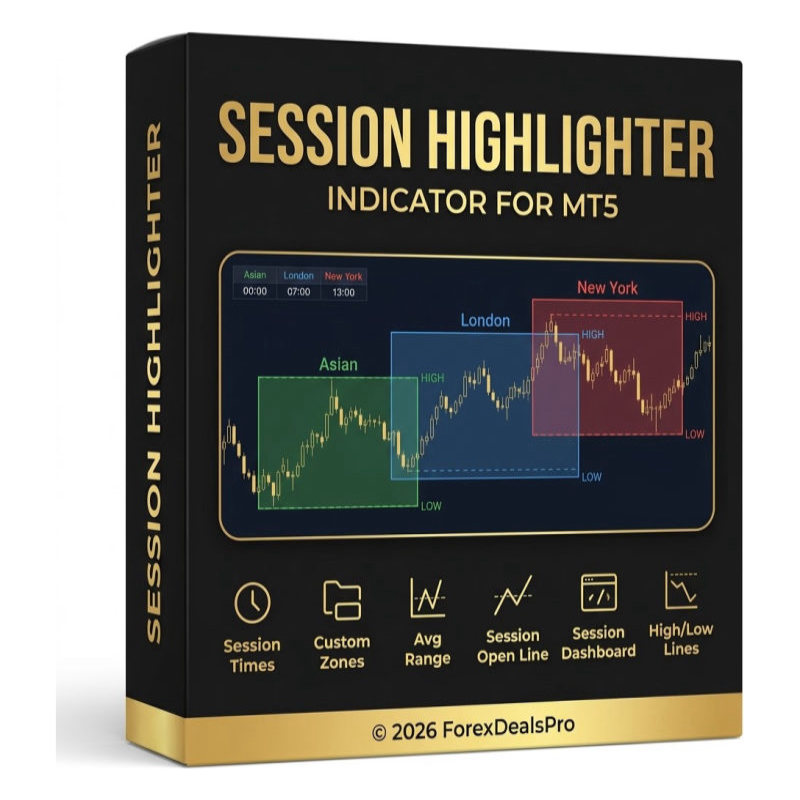
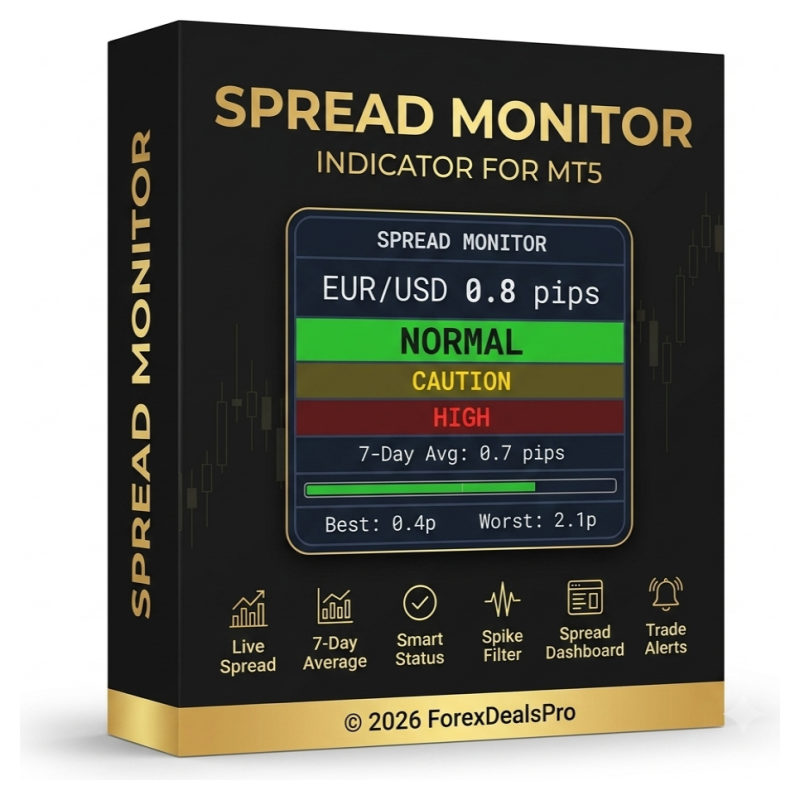
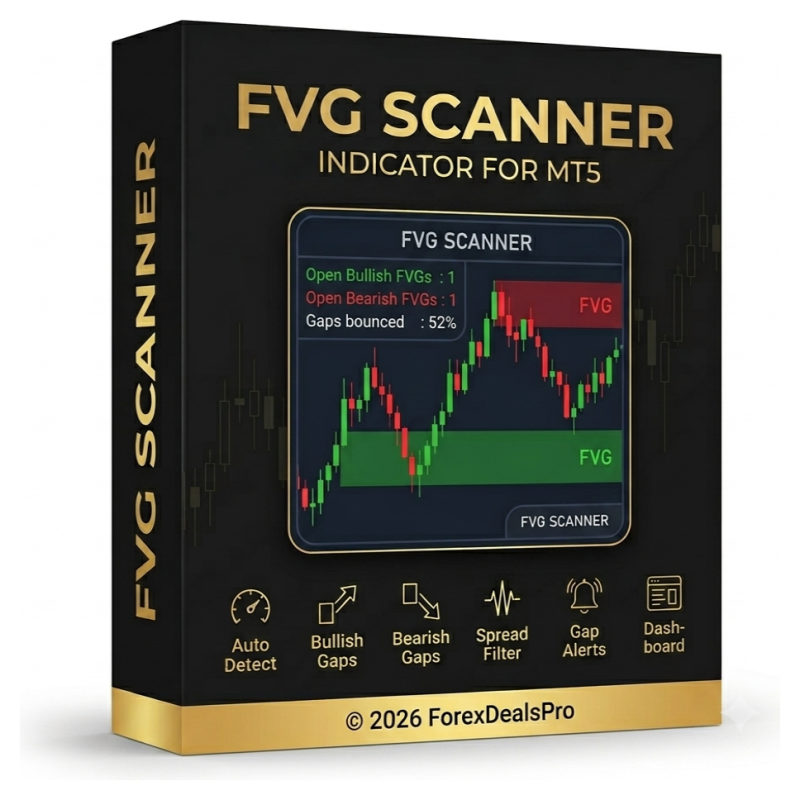
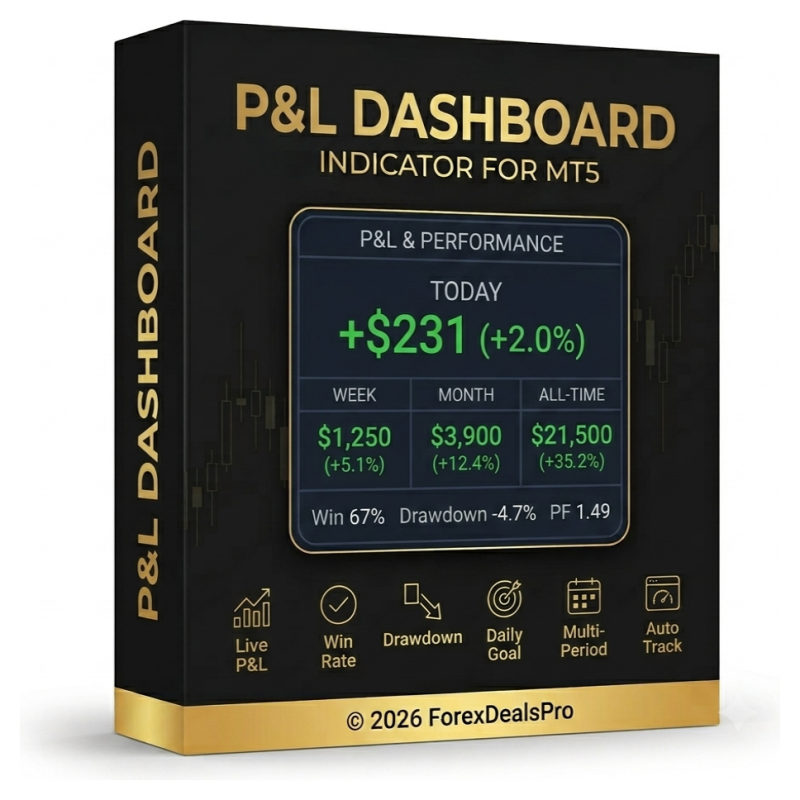
A growing library of professional MT5 indicators and Expert Advisors, built in-house to give you a genuine trading edge — and many are free to download.
Cashback - The Smart Way to Reduce Your Trading Costs
You earn on every trade.
Regardless of the outcome.
Cashback is a rebate paid on the spread or commission of every trade you execute - whether the trade wins or loses. It's the only trading benefit that never depends on market direction. The more you trade, the more you earn back, automatically.
How to start earning





What Is an Order Block in Forex Trading? How to Spot Institutional Zones
What Is an Order Block?
"Order block" is one of the most common terms in what's often called Smart Money Concepts, a way of reading a price chart that focuses on where large market participants may have been active, rather than on a single indicator reading.
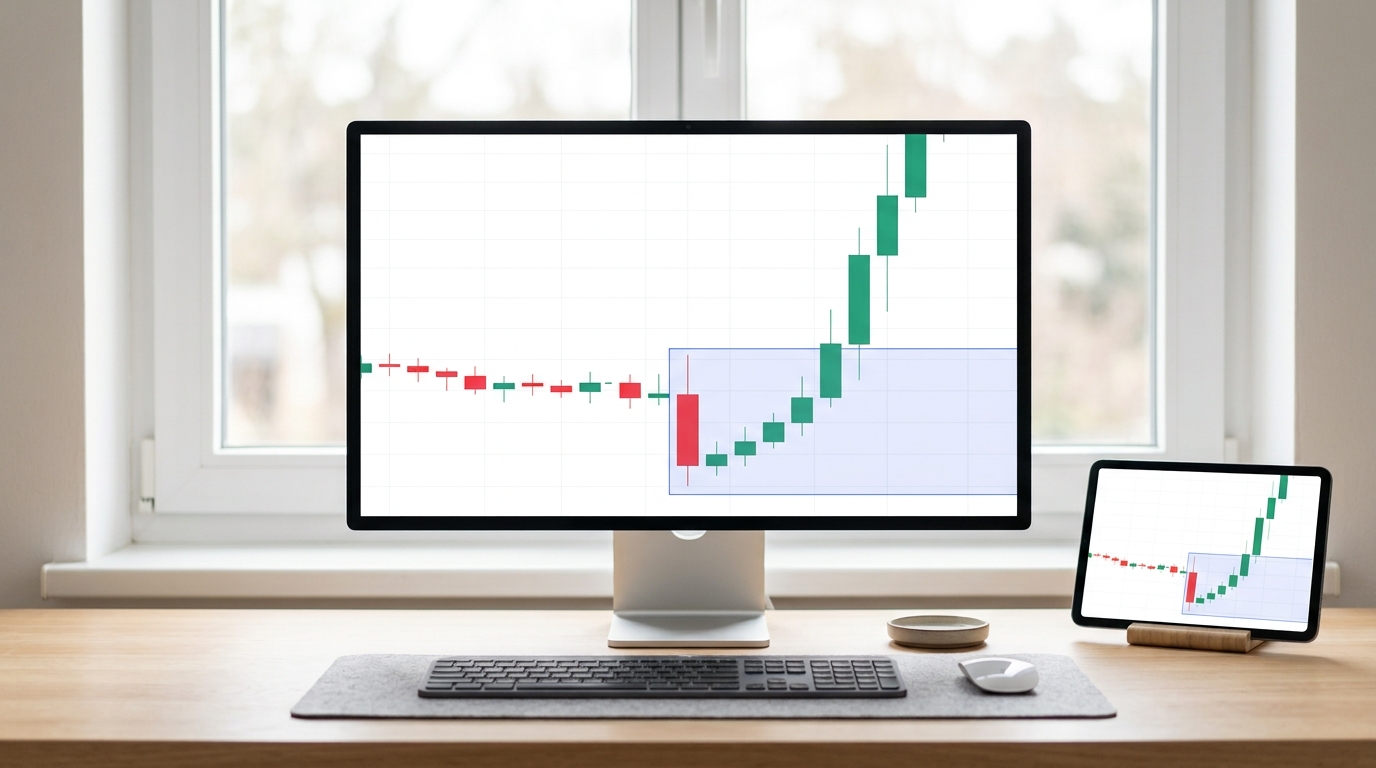
In its simplest, most widely used definition, an order block is a candle, or a small cluster of candles, that sits immediately before a strong, decisive move in price. Traders who use the concept treat that candle as a rough marker of where a meaningful concentration of buy or sell orders may have been placed just before the market moved sharply away from it.
A bullish order block is typically the last down-close candle before price pushes strongly higher. A bearish order block is typically the last up-close candle before price pushes strongly lower.
If you're new to forex trading altogether, our What Is Forex Trading? guide covers the basics first, before working through chart-reading concepts like this one.
Why Order Blocks Are Linked to Institutional Order Flow
Forex isn't traded on a single centralized exchange. It's an over-the-counter (OTC) market, where trades are matched between banks, brokers, and other liquidity providers rather than through one shared order book. According to the Bank for International Settlements' 2025 Triennial Central Bank Survey, average daily global FX turnover reached $9.6 trillion in April 2025[1], up 28% from 2022 and making it one of the largest and most actively traded financial markets in the world.
A market that size, structured that way, means the largest participants (banks, hedge funds, and other institutional players) can need to fill orders too large to execute all at once without moving the price against themselves. Traders who use the order block concept treat certain candles, specifically the ones right before a sharp, decisive move, as places where that kind of large-scale buying or selling may have clustered.
This is part of why the concept gets grouped under "smart money" or institutional order-flow language: it treats the chart as a possible record of where large orders were absorbed, not just a sequence of price ticks. It's worth being clear that this is a way traders commonly interpret price action, not something the BIS survey itself, any exchange, or any regulator specifically measures or confirms.
How Traders Commonly Identify an Order Block on a Chart
Marking Order Blocks by Hand or Automatically
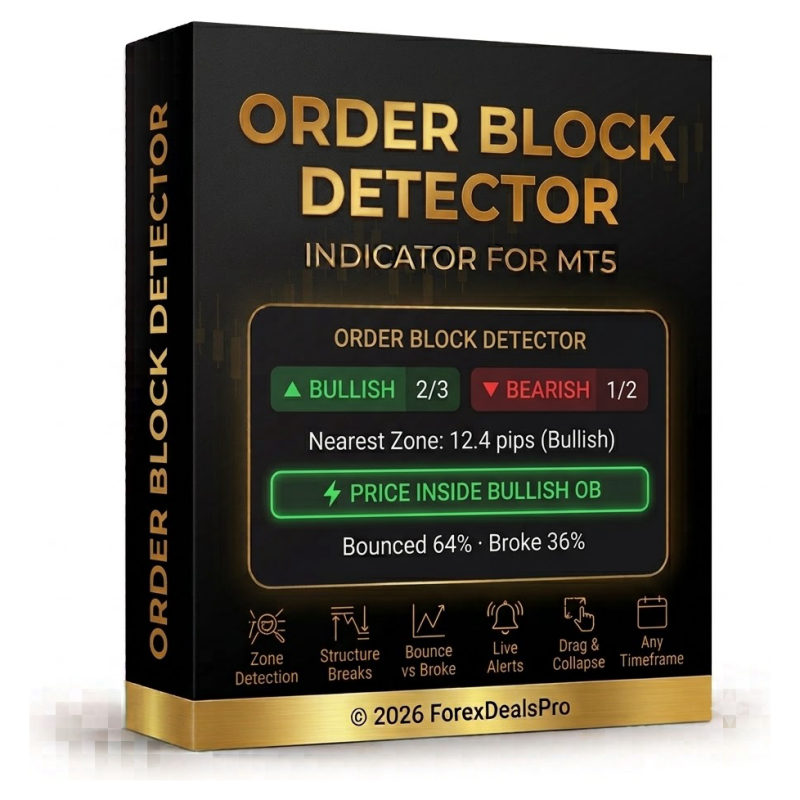
MetaTrader 5 includes a native way to mark a rectangular price zone by hand: the built-in Rectangle drawing object, which lets a trader define a specific price range directly on the chart[2]. Doing this manually on every symbol and timeframe is tedious, though, which is why ForexDealsPro's free Order Block Detector exists for MT5. It applies the same underlying logic (finding the last opposing candle before a strong move, measured against the pair's own volatility) automatically, tracks each zone through Fresh, Mitigated, or Invalidated status as price develops, and shows a live count of how often zones on the current pair have been bounced from versus traded straight through, so you can see that pair's own recent history rather than assuming any single zone will hold.
The tool is currently MT5-only. If you're still deciding which platform to use, our MT4 vs MT5 comparison covers the practical differences between the two.
Bullish vs. Bearish Order Blocks
A simplified summary of the most common convention, not a universal or exhaustive standard. Exact definitions and the precise boundary of a zone can vary slightly between traders and between charting tools.
| Type | Candle Commonly Marked | Appears Before | Typical Chart Colour |
|---|---|---|---|
| Bullish order block | Last down-close candle | A strong push higher | Often blue or green |
| Bearish order block | Last up-close candle | A strong push lower | Often red or orange |
How Traders Commonly Use an Order Block
Traders who use order blocks generally treat them as a zone worth watching, not a signal that price is guaranteed to react at.
Common approaches include:
- Treating an order block as one factor among several, alongside broader market structure or trend context, rather than the sole reason to enter a trade.
- Waiting to see how price actually behaves once it reaches the zone, rather than acting the moment it arrives.
- Pairing it with a defined stop loss and a position size worked out in advance, since a zone can just as easily be broken through as respected.
This is also where risk management stays the deciding factor, not the pattern itself. Even traders who find order blocks a genuinely useful way to read a chart still size every position around a fixed percentage of account risk, the same principle covered in our forex risk management guide, because no chart pattern removes the need for a stop loss and a defined risk amount on every trade.
Leveraged retail products such as CFDs carry standardized risk warnings and leverage limits for retail clients, set by regulators including the UK's FCA, specifically because no chart-reading method changes the underlying risk of the product itself[3]. If you'd rather review and mark zones on a more advanced charting interface than a broker's default setup, IC Markets offers direct TradingView charting alongside its own platform.
Limitations to Keep in Mind
An order block marks where price previously reacted. It isn't a prediction of what will happen next. Zones get traded through as often as they hold, and exactly which candle counts, and where a zone's precise boundary sits, varies from trader to trader and from tool to tool. There's no single, universally agreed rulebook for the concept.
No regulator, central bank, or exchange publishes data on how reliably order blocks perform, and ForexDealsPro is not aware of any credible primary source that does. Any specific win-rate or success-rate figure quoted for the concept elsewhere should be treated with real caution, since it typically comes from an individual trader's own, unaudited results rather than any independently verifiable study.
Practising how to identify and react to these zones on a demo account first, covered in our demo account guide, is a reasonable way to build familiarity with the concept before using it around real capital.
The Bottom Line
An order block is a chart-reading concept: a candle, or a small cluster of candles, that traders use to mark where a decisive price move appears to have started, and a reasonable place to expect institutional order flow may have clustered. It's a way of reading structure on a chart, not a proven trading strategy or a guaranteed reversal signal.
If you'd rather see these zones marked automatically instead of by hand, ForexDealsPro's free Order Block Detector for MT5 does exactly that, with the same lifecycle tracking described above built in.
Frequently Asked Questions
No. It's a reference zone many traders watch, not a guaranteed reversal signal. Price regularly trades straight through a marked zone without reacting to it at all.
No. It's a term used within retail Smart Money Concepts trading, not a term defined by any exchange, regulator, or central bank. Exact definitions can vary slightly between traders and between tools.
Yes. ForexDealsPro's free Order Block Detector for MT5 finds and marks these zones automatically on any symbol and timeframe, and tracks each zone's status as price develops around it.
The same method of marking the last opposing candle before a strong move can be applied on any timeframe, from a short-term chart to a weekly chart, though the resulting zone will naturally be wider or narrower depending on which timeframe it's drawn on.
No. Order blocks are a way of reading a chart, not a form of risk management. The size of a position and the placement of a stop loss, not the pattern used to find an entry, are what determine how much a trader stands to lose on any single trade.
References
References
- Bank for International Settlements: 2025 Triennial Central Bank Survey of Foreign Exchange and OTC Derivatives Markets, OTC foreign exchange turnover in April 2025: bis.org/statistics/rpfx25_fx.htm
- MetaQuotes: MetaTrader 5 Help, Rectangle (Shapes / Analytical Objects): metatrader5.com/en/terminal/help/objects/shapes/rectangle
- Financial Conduct Authority: FCA Handbook, COBS 22.5 — Restrictions on the retail marketing, distribution and sale of contracts for differences and similar speculative investments: handbook.fca.org.uk/handbook/cobs22/cobs22s5
About Us
Your trusted gateway to elite forex deals, broker reviews, and smarter trading.
What We Do
We research, verify, and curate the best broker deals, cashback programmes, and trading promotions available in the market, updated regularly so you always have access to what is current and relevant. Alongside our deals, we publish independent broker reviews built on objective criteria: regulatory standing, trading conditions, platform quality, and client protections.
Who We Are
ForexDealsPro is run by a dedicated team of trading and finance professionals with over a decade of combined market experience. That hands-on knowledge informs everything we publish, from the brokers we feature to the way we explain complex trading concepts in plain language.
We operate as an affiliate information platform. We earn a commission when you open an account through our links, at no additional cost to you. This model allows us to keep the platform free, independent, and focused entirely on trader value.
Our Standards
- We only feature brokers regulated by recognised financial authorities
- Every deal and promotion is verified before publication
- Broker ratings are independent and never influenced by commercial relationships
- Affiliate partnerships are always disclosed transparently
Our Editorial Process
All articles published on ForexDealsPro are thoroughly researched using primary regulatory sources, industry reports, and reputable financial publications, then verified for accuracy before publication. Our editorial team holds combined experience in forex trading, financial analysis, and compliance.