Your Gateway to Elite Forex Deals
Discover exclusive broker promotions, powerful trading tools, and insights to trade smarter.
Offers Worth Your Attention
Hand-picked promotions, cashback, and risk-protection deals - updated monthly by our team.
ForexDealsPro Cashback
Up to $11 back per lot, via XM
- Paid on every trade, win or lose
- Automatic, no claims needed
- Real, verified rebate rates
- No extra cost to trade
1st Trade Secured
Covered up to $100, via TradeRise
- Loses? You get covered
- Wins? You keep the profit
- No minimum deposit required
- One-time offer per account
No-Deposit Bonus
$30 free to trade, via XM
- No deposit required to start
- Trade real market conditions
- Withdraw eligible profits
- Sign-up takes under 5 minutes


Get Paid on Every Trade You Make
Earn rebates on every trade you execute. Cashback rates are transparent, automatic, and paid straight into your account.
All Broker Promotions
All current promotions · Filter by broker below
Brokers Review
Regulated, reviewed, and independently rated - compare in seconds
Broker Comparison Table
Regulated, reviewed, and independently rated - compare in seconds
| Broker | Est. ▲ | Spread EUR/USD ▲ | Min. deposit ▲ | Regulation | Platform | Trustpilot Rating ▲ | Action |
|---|
Best Forex Brokers by Country
Regulated brokers that accept traders in your country — hand-picked by region, with local deposit methods and the best deals for each market.


MT4/MT5 Indicators & Expert Advisors
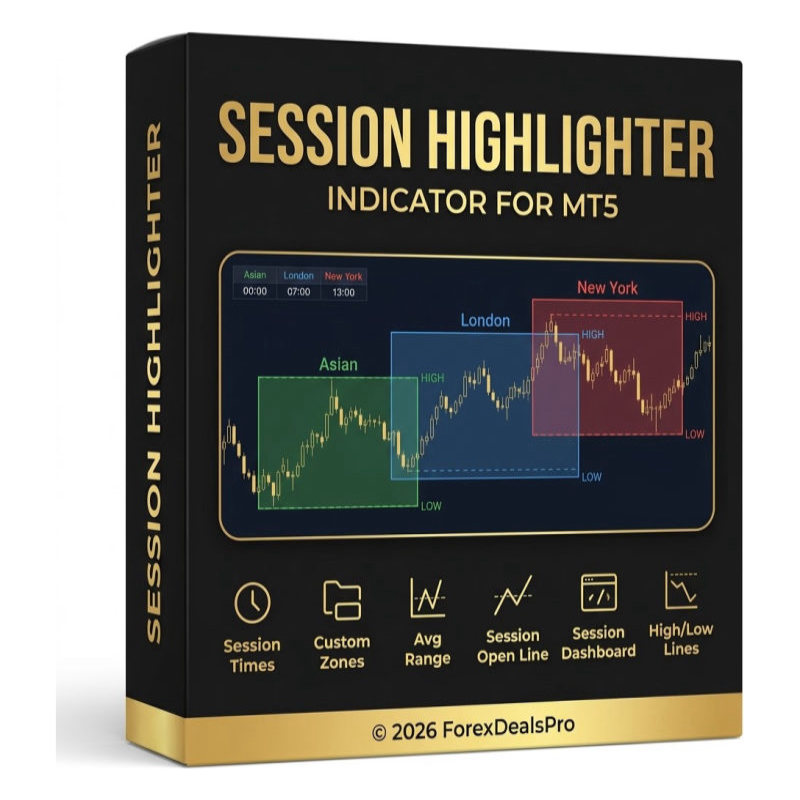
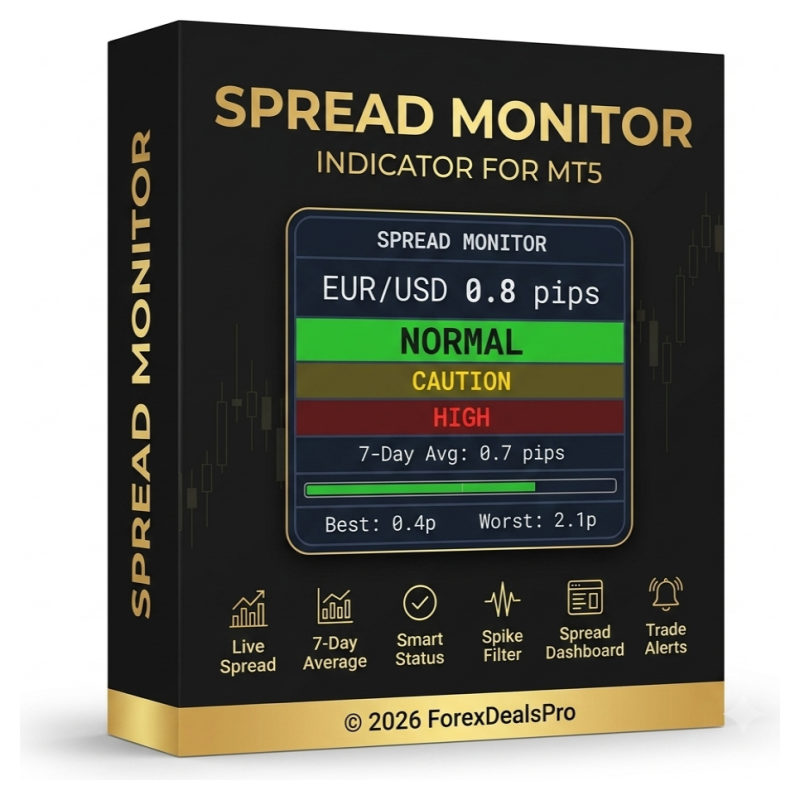
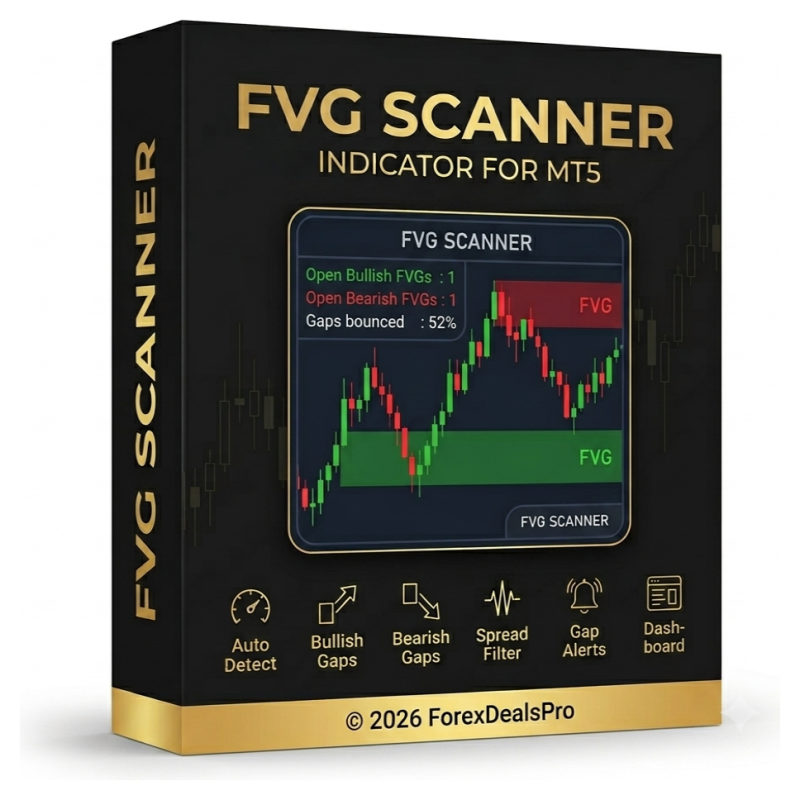
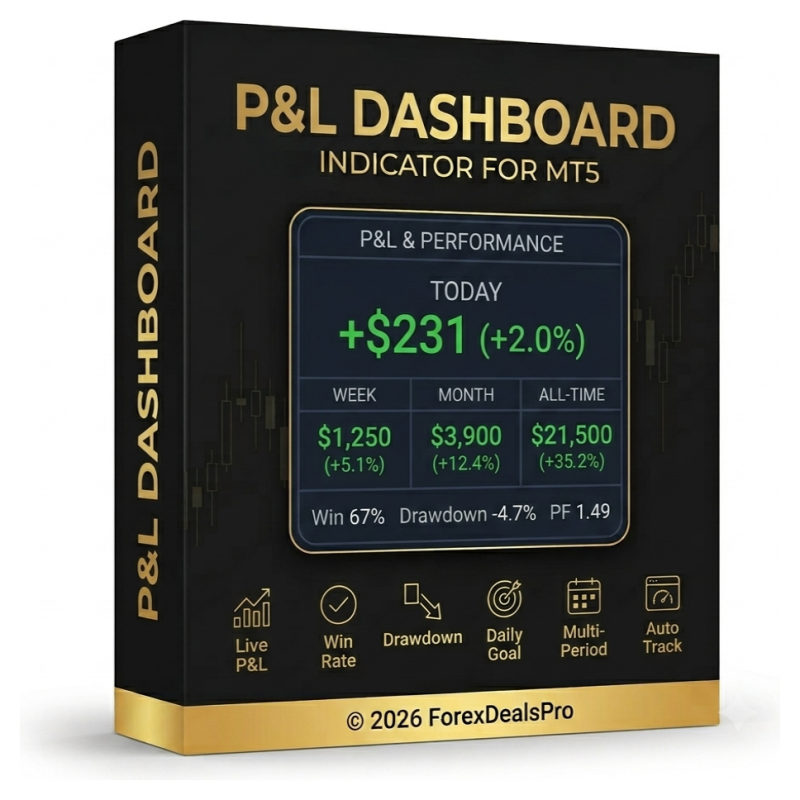
A growing library of professional MT5 indicators and Expert Advisors, built in-house to give you a genuine trading edge — and many are free to download.
Cashback - The Smart Way to Reduce Your Trading Costs
You earn on every trade.
Regardless of the outcome.
Cashback is a rebate paid on the spread or commission of every trade you execute - whether the trade wins or loses. It's the only trading benefit that never depends on market direction. The more you trade, the more you earn back, automatically.
How to start earning





What Type of Forex Trader Are You? Scalper, Day Trader, Swing Trader or Position Trader Explained
Choosing a Style Starts With Being Honest About Your Time
Ask ten traders what kind of trader they are, and you'll usually get ten confident answers, most of which describe an identity more than an actual method. Underneath the labels, though, "scalper," "day trader," "swing trader," and "position trader" describe four genuinely different mechanical approaches to the same market: how long a position is typically held, how often trades get placed, what kind of analysis the approach leans on, and which account or broker conditions actually matter for it.
If you haven't yet covered the basics of how the forex market itself works, our What Is Forex Trading guide is a better starting point than this one. This article assumes you already know what a pip, a lot, and a spread are, and focuses instead on a narrower question: which of these four styles actually fits the time, temperament, and account size you have to work with, not which one sounds the most exciting.
None of the four styles is inherently better than another. They're different tools built around different constraints. The honest answer to "which one should I use" usually has more to do with your own schedule and personality than with the market itself.
Four Trading Styles at a Glance
A curated comparison of each style's defining mechanics, not an exhaustive list of every possible variable. Any individual trader's actual approach will vary somewhat around these general patterns.
| Style | Typical Hold Time | Typical Trade Frequency | Key Cost Factor | Primary Analysis Approach |
|---|---|---|---|---|
| Scalping | Seconds to a few minutes | Very high, often dozens of trades per session | Spread and execution speed | Very short-term price action on low timeframes |
| Day Trading | Minutes to several hours, closed same day | Moderate to high, roughly 1 to 10+ trades per day | Spread during volatile intraday windows | Intraday technical analysis, session timing |
| Swing Trading | Several days to a few weeks | Low, a handful of trades per week or month | Overnight swap and weekend gap exposure | Higher-timeframe chart patterns plus broader context |
| Position Trading | Weeks to several months or longer | Very low, a few trades per quarter | Overnight swap accrued over a long hold, tied-up capital | Longer-term trend and macro/fundamental factors |
Spread, Swap, and Leverage: What These Terms Mean
Two terms in that table are worth defining plainly since they're the actual mechanism behind "key cost factor." The spread is the small built-in difference between a currency pair's buy and sell price, paid on every trade regardless of how long it's held, which is why it matters proportionally more to a style that opens many small trades. Swap (also called overnight financing or rollover) is a separate cost or credit applied only to positions still open at each day's rollover time, based on the interest rate differential between the two currencies in the pair, which is why it only becomes relevant once a position is actually held overnight.
Regulators also set formal limits on how much leverage a retail account can use, and those limits vary by jurisdiction rather than by broker preference. Under the European Securities and Markets Authority's product intervention rules, retail clients trading major currency pairs through an EU-regulated entity are capped at 30:1 leverage, with lower caps of 20:1, 10:1, 5:1, and 2:1 applying to less liquid instrument categories[1]. Staying within a regulator's leverage limits doesn't determine which of the four styles suits you, but it is a real account constraint worth checking before assuming a given position size is available on every broker or in every country.
Scalping: Seconds to Minutes
Scalping means opening and closing positions within seconds to a few minutes, aiming to capture small price movements repeated many times across a single session. It's the highest-frequency of the four styles: a scalper might place dozens of trades in one sitting, each targeting a small move on a 1-minute or 5-minute chart.
Because the holding period is measured in seconds or minutes, scalping relies almost entirely on very short-term price action and order flow rather than on fundamental or macroeconomic analysis, since there simply isn't time within a single trade for a news cycle to play out. Session timing still matters a great deal, though. Volatility and liquidity shift noticeably across the London, New York, Tokyo, and Sydney sessions, and their overlaps in particular tend to bring the tighter spreads and faster price movement a scalping approach depends on. ForexDealsPro's free Session Highlighter indicator marks those session windows directly on an MT4 or MT5 chart, which removes the need to track overlap times manually.
Account and broker conditions matter more here than for any other style covered in this article. Because each individual trade targets such a small price move, the spread (and, on Raw-style accounts, a separate per-lot commission) makes up a proportionally much larger share of the potential outcome than it would for a trade held for hours or days. Execution speed matters in a similar way: a delay of even a second or two between placing an order and it filling can meaningfully shift the entry price relative to the size of the move being targeted. This is why brokers marketing tight raw spreads and fast order execution, such as IC Markets, tend to be positioned specifically around this kind of short-term trading, and why comparing spread and execution terms closely is a genuinely practical step for anyone considering this style.
Scalping may suit you if: you enjoy making fast decisions, can stay focused for extended stretches, and prefer a high volume of short opportunities over waiting for a single setup to develop.
Scalping may not suit you if: you have limited daily time to dedicate, dislike constantly monitoring a chart, or generally prefer slower, more deliberate decision-making.
Day Trading: Minutes to Hours, Closed Same Day
Day trading means opening and closing every position within the same trading day, with no position carried overnight. Hold times run from a few minutes up to several hours, and trade frequency is moderate compared to scalping, typically somewhere between one and ten or so trades a day depending on how many valid setups actually appear.
The analysis approach is intraday technical analysis: reading chart patterns, support and resistance, and momentum within a single session, usually on timeframes from 5 minutes up to an hour. Session timing is just as relevant here as it is for scalping, since a day trader is working entirely within the hours a market is genuinely active, and the overlap between two major sessions tends to be where the clearest intraday moves happen.
Because every position is closed before the trading day ends, day traders never pay overnight swap, which removes one of the two cost factors that matter to swing and position traders entirely. Spread still matters, particularly around the higher-volatility windows a day trader is often specifically looking for, but it carries less relative weight per trade than it does for a scalper making a much larger number of smaller trades.
Day trading may suit you if: you can dedicate real time to the market on most days, enjoy actively analysing setups as they develop, and prefer closing every position before the day ends.
Day trading may not suit you if: you can't monitor the market regularly during active hours, prefer slower decision-making, or find that daily trading pressure wears on your focus.
Swing Trading: Days to Weeks
Swing trading means holding a position for several days up to a few weeks, aiming to capture a broader directional "swing" in price rather than a single session's movement. Trade frequency drops considerably compared to the two styles above: a swing trader might place only a handful of trades in a given week or month, since each setup is expected to play out over a longer stretch of time.
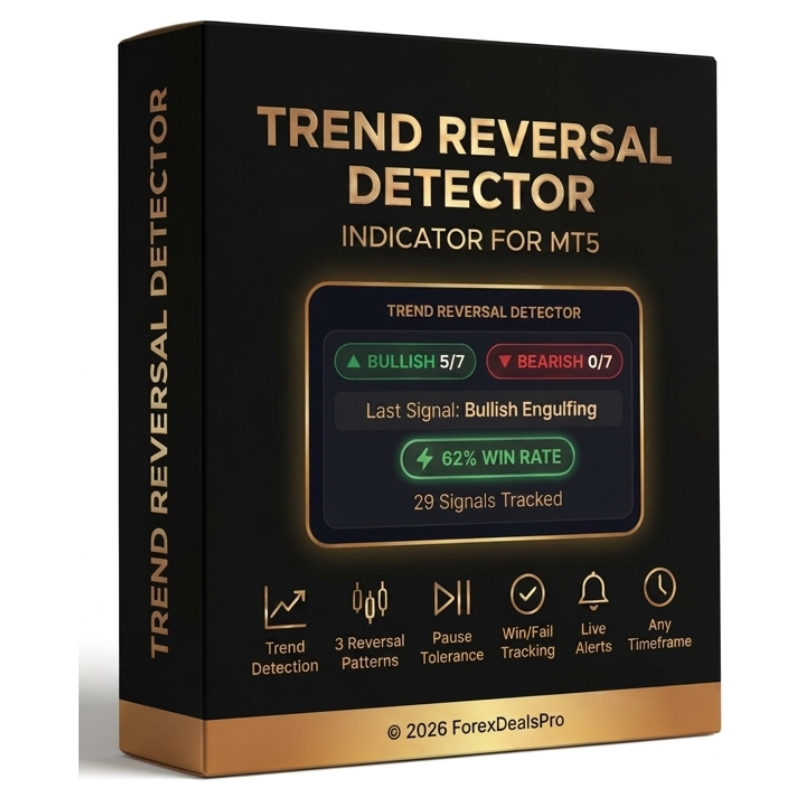
The analysis approach shifts to higher timeframes, typically 4-hour and daily charts, often combined with broader context such as an upcoming central bank rate decision or major scheduled data release, since a multi-day position is exposed to that kind of event regardless of exactly when during the trade it happens to land. Reading where a trend may be losing momentum or turning matters more here than in the shorter styles above; ForexDealsPro's free Trend Reversal Detector indicator is built around flagging exactly that kind of shift on higher timeframes.
Because positions are held overnight, and often over a weekend, two cost and risk factors appear that scalpers and day traders simply don't encounter. Overnight swap becomes a real, ongoing cost or credit that accrues for every night the position stays open. Weekend gap risk is separate from swap: since the interbank forex market closes over the weekend, price can open on Monday at a different level than where it closed on Friday, and a swing position carried through the weekend is exposed to that gap either way. Checking a broker's specific swap rate for the instrument being traded, rather than assuming it's negligible, is a genuinely practical step before holding a position for this kind of duration.
Swing trading may suit you if: your available time is limited, you'd rather place fewer, larger trades, and you can stay patient while a planned setup develops over days rather than needing constant monitoring.
Swing trading may not suit you if: you want fast results, dislike holding a position overnight, or generally prefer a high volume of trading activity.
Position Trading: Weeks to Months or Longer
Position trading means holding a trade for weeks, months, or occasionally longer, based on a longer-term directional view. It's the lowest-frequency style of the four by a wide margin, often amounting to only a handful of trades across an entire quarter.
The analysis approach here leans most heavily on longer-term trend structure and macroeconomic or fundamental factors, such as an ongoing interest rate cycle or a structural shift in a country's economic outlook, since the trade's underlying reasoning needs to hold up over a much longer horizon than any single day's headlines. Weekly and monthly charts tend to matter more than any shorter timeframe for this style.
Overnight swap matters even more here than for swing trading, simply because it accrues every single night the position remains open across a much longer stretch of time, so the cumulative effect on the trade's outcome can be meaningfully larger. This makes checking a broker's swap rate on the specific instrument being traded, particularly for currency pairs with a large interest rate differential between the two currencies involved, a genuinely important step before entering a position meant to be held for months. Tied-up capital is the other practical factor worth planning for: money committed to a position trade isn't available for other opportunities for as long as that position stays open, which is a real planning consideration distinct from the trade's outcome itself.
Position trading may suit you if: you naturally think in longer-term terms, have limited time for daily analysis, and are comfortable waiting for a setup to develop over weeks or months.
Position trading may not suit you if: you want frequent trades, prefer quick outcomes, or find it hard to stay committed to a setup while waiting for it to play out.
Which Style Might Fit the Time and Temperament You Actually Have
The mechanical differences above point toward a few practical questions worth asking honestly before settling on a style. How much uninterrupted time can you actually give to watching a chart during a live session, not in theory but on a typical week? Scalping and day trading both require being present and attentive while the market is moving, which is a real constraint for anyone trading around a full-time job or other daily commitments. Swing and position trading, by contrast, are built around checking in periodically rather than watching continuously, which fits a much smaller daily time budget but asks for more patience while a trade plays out over days or weeks without needing constant attention.
Temperament matters just as much as available time. Frequent, fast decision-making under a small amount of pressure per trade suits some people and genuinely unsettles others; holding a position through several days of normal price fluctuation without reacting to every small move suits some people and feels unbearably slow to others. Neither reaction is right or wrong, but it's worth knowing which one describes you before choosing a style that fights against it. This is also where the habits covered in our habits of disciplined traders guide apply directly: sticking with a chosen style through a normal losing stretch, rather than abandoning it for a different one after a few disappointing trades, is itself part of what separates a genuine approach from constant style-hopping.
If you'd rather work through this systematically than guess, ForexDealsPro's free What Type of Trader Are You? quiz asks a short set of questions about your available time, risk comfort, and decision-making style, and maps your answers to which of these four approaches your current situation is more naturally suited to. For a deeper look specifically at the temperament side of the question, the Trading Psychology Assessment covers factors like emotional control and patience under pressure in more detail, which is particularly relevant if you're trying to judge whether a faster style like scalping or day trading genuinely fits how you handle pressure, as opposed to how exciting it sounds in theory.
Which Trading Style Is Best for Beginners?
There's no single style that's automatically best for every beginner, but many new traders find swing trading more manageable to start with, since it allows more time to analyse a decision, removes the pressure of reacting within seconds, and doesn't require watching a chart continuously throughout the day.
Scalping and day trading can look appealing precisely because they offer frequent opportunities, but they also demand more experience, faster decision-making, and considerably more available time than most beginners have on day one. A beginner with a full-time job and limited free time will generally find swing or position trading more realistic to sustain than scalping, while someone with several genuinely free hours a day may find day trading a more natural starting point. The honest answer still depends on your own schedule and personality more than on which style is labelled "beginner-friendly."
Is One Trading Style More Profitable Than Another?
No forex trading style is inherently more profitable than another. Profitability comes down to strategy, risk management, execution, market conditions, and consistency, not the holding period itself. A scalper placing dozens of trades a day isn't guaranteed better returns simply because of trade volume, and a position trader isn't automatically safer simply because trades are held longer.
The traders who tend to do well long-term are usually the ones who've chosen a style they can actually follow with discipline, rather than the ones chasing whichever style currently sounds the most exciting.
Which Trading Style Requires the Least Time?
Among the four styles, position trading generally asks for the least daily involvement, since it's built around periodic reviews of a longer-term view rather than continuous monitoring. Swing trading sits between position trading and day trading, typically needing somewhere from around 15 minutes up to an hour on most days to check charts and manage open positions. Day trading and scalping both require several active hours during a live session, since both depend on being present while the specific setups they target are actually happening.
As a general rule, the less frequently a style trades, the less time it demands for monitoring short-term price movement day to day.
Can You Combine Different Trading Styles?
Yes, and experienced traders sometimes do, for example using a position trader's longer-term view to set overall market direction, then looking for swing-style setups within that broader trend, or using a shorter timeframe purely to refine a day trade's entry. Combining styles adds real complexity, though, since each one carries its own monitoring demands and risk considerations.
For anyone still learning, it's generally more useful to master one style first rather than start by blending several. Switching styles after every losing trade in particular tends to prevent a trader from ever finding out whether their original approach actually worked, which is a different problem from genuinely combining styles with intention.
Final Thoughts
Scalping, day trading, swing trading, and position trading aren't four versions of the same activity at different speeds. They're four different mechanical relationships with time, cost, and analysis, each built around a genuinely different set of constraints. What suits one trader's schedule and temperament can be a poor fit for someone else's, regardless of which style happens to be trending in discussion at any given moment.
There's no requirement to commit to one style permanently, either. Many traders start by testing more than one approach on a demo account before settling on whichever one actually fits the time they have available and the way they personally handle decisions under pressure, rather than the one that simply looked the most appealing from the outside.
Testing a Style Before You Commit
Two ways exist to try a style with reduced downside before trading it with money you'd genuinely mind losing. A no-deposit bonus, such as XM's $30 offer, lets you trade live market conditions without depositing anything yourself, useful while you're still comparing two styles directly. A first-trade protection offer, such as TradeRise's $100 offer, covers your first live trade up to $100 if it doesn't work out once you've already settled on a style. Either is a lower-stakes way to get real experience before committing capital you'd genuinely mind losing.
Frequently Asked Questions
No single style is objectively better. Each one trades off differently between time commitment, cost structure, and the kind of analysis it relies on, so the right fit depends on your own schedule and temperament rather than any inherent advantage of one style over another.
Some traders do use more than one approach, for example day trading during more active hours while holding a separate longer-term swing position. This adds complexity, since each style has different account and monitoring demands, so it's worth being comfortable with one style on its own before layering in a second.
Position trading generally asks for the least frequent monitoring, since positions are typically checked in on periodically over weeks or months rather than watched continuously. Swing trading sits between position trading and day trading in this respect.
They involve different cost factors rather than simply "more" or "less." Scalping and day trading are more exposed to spread cost because of how frequently trades are placed, while swing and position trading are more exposed to overnight swap because positions are held for longer. Neither cost factor is inherently larger than the other; it depends on the specific instrument, broker, and how long a position is actually held.
Being honest about how much time you can realistically give to watching a live chart, and how you personally react to fast decisions versus a longer wait for a trade to play out, are the two most practical starting points. Our free What Type of Trader Are You? quiz is built specifically to help work through that self-assessment with a short set of questions.
References
References
- European Securities and Markets Authority (ESMA): ESMA agrees to prohibit binary options and restrict CFDs to protect retail investors (product intervention measures, leverage limits by instrument category): esma.europa.eu/press-news/esma-news/esma-agrees-prohibit-binary-options-and-restrict-cfds-protect-retail-investors
About Us
Your trusted gateway to elite forex deals, broker reviews, and smarter trading.
What We Do
We research, verify, and curate the best broker deals, cashback programmes, and trading promotions available in the market, updated regularly so you always have access to what is current and relevant. Alongside our deals, we publish independent broker reviews built on objective criteria: regulatory standing, trading conditions, platform quality, and client protections.
Who We Are
ForexDealsPro is run by a dedicated team of trading and finance professionals with over a decade of combined market experience. That hands-on knowledge informs everything we publish, from the brokers we feature to the way we explain complex trading concepts in plain language.
We operate as an affiliate information platform. We earn a commission when you open an account through our links, at no additional cost to you. This model allows us to keep the platform free, independent, and focused entirely on trader value.
Our Standards
- We only feature brokers regulated by recognised financial authorities
- Every deal and promotion is verified before publication
- Broker ratings are independent and never influenced by commercial relationships
- Affiliate partnerships are always disclosed transparently
Our Editorial Process
All articles published on ForexDealsPro are thoroughly researched using primary regulatory sources, industry reports, and reputable financial publications, then verified for accuracy before publication. Our editorial team holds combined experience in forex trading, financial analysis, and compliance.