Your Gateway to Elite Forex Deals
Discover exclusive broker promotions, powerful trading tools, and insights to trade smarter.
Offers Worth Your Attention
Hand-picked promotions, cashback, and risk-protection deals - updated monthly by our team.
ForexDealsPro Cashback
Up to $11 back per lot, via XM
- Paid on every trade, win or lose
- Automatic, no claims needed
- Real, verified rebate rates
- No extra cost to trade
1st Trade Secured
Covered up to $100, via TradeRise
- Loses? You get covered
- Wins? You keep the profit
- No minimum deposit required
- One-time offer per account
No-Deposit Bonus
$30 free to trade, via XM
- No deposit required to start
- Trade real market conditions
- Withdraw eligible profits
- Sign-up takes under 5 minutes


Get Paid on Every Trade You Make
Earn rebates on every trade you execute. Cashback rates are transparent, automatic, and paid straight into your account.
All Broker Promotions
All current promotions · Filter by broker below
Brokers Review
Regulated, reviewed, and independently rated - compare in seconds
Broker Comparison Table
Regulated, reviewed, and independently rated - compare in seconds
| Broker | Est. ▲ | Spread EUR/USD ▲ | Min. deposit ▲ | Regulation | Platform | Trustpilot Rating ▲ | Action |
|---|
Best Forex Brokers by Country
Regulated brokers that accept traders in your country — hand-picked by region, with local deposit methods and the best deals for each market.


MT4/MT5 Indicators & Expert Advisors
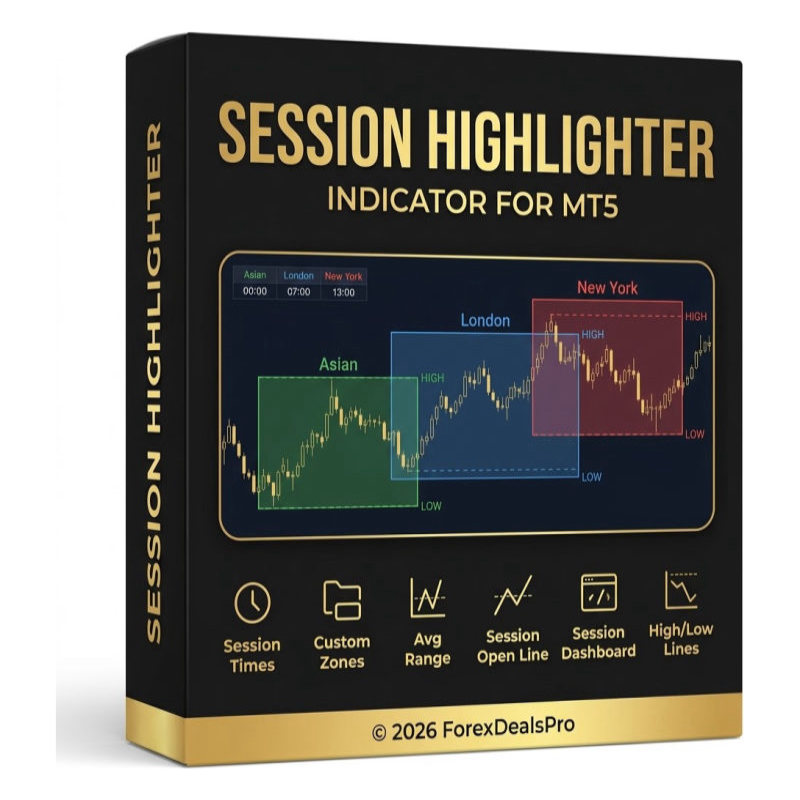
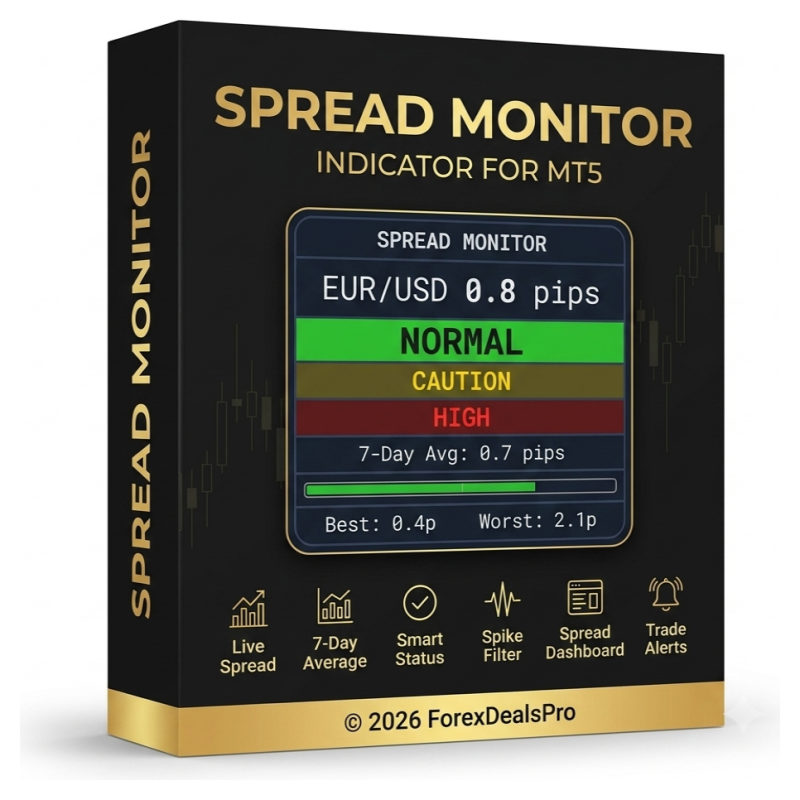
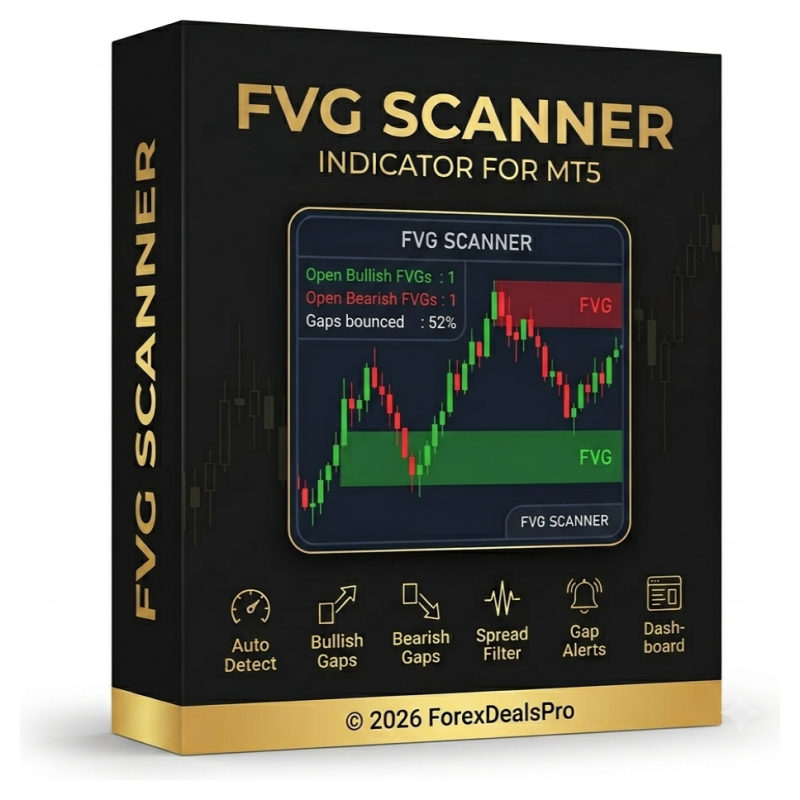
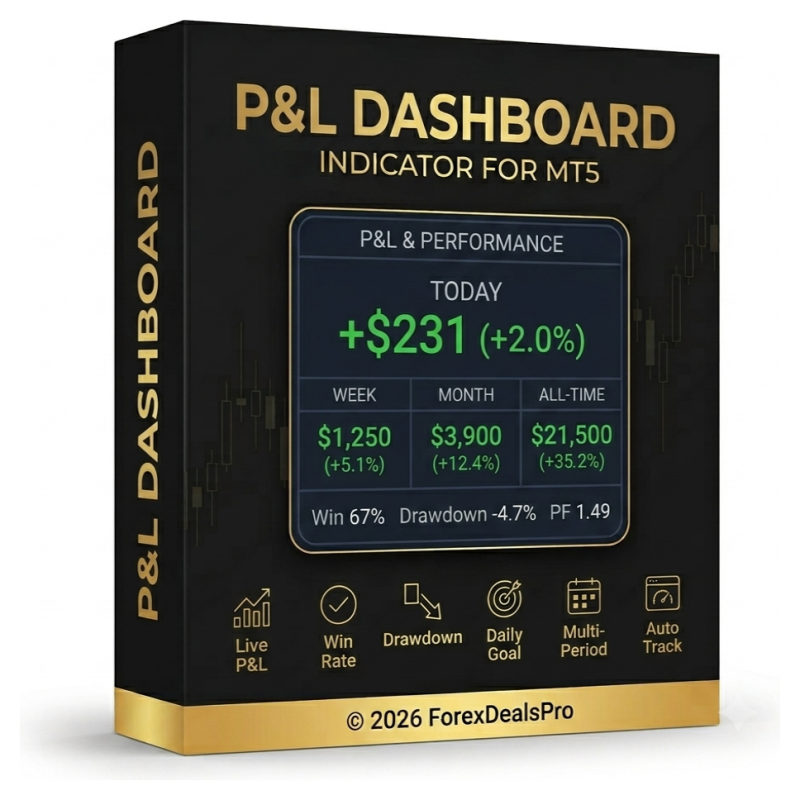
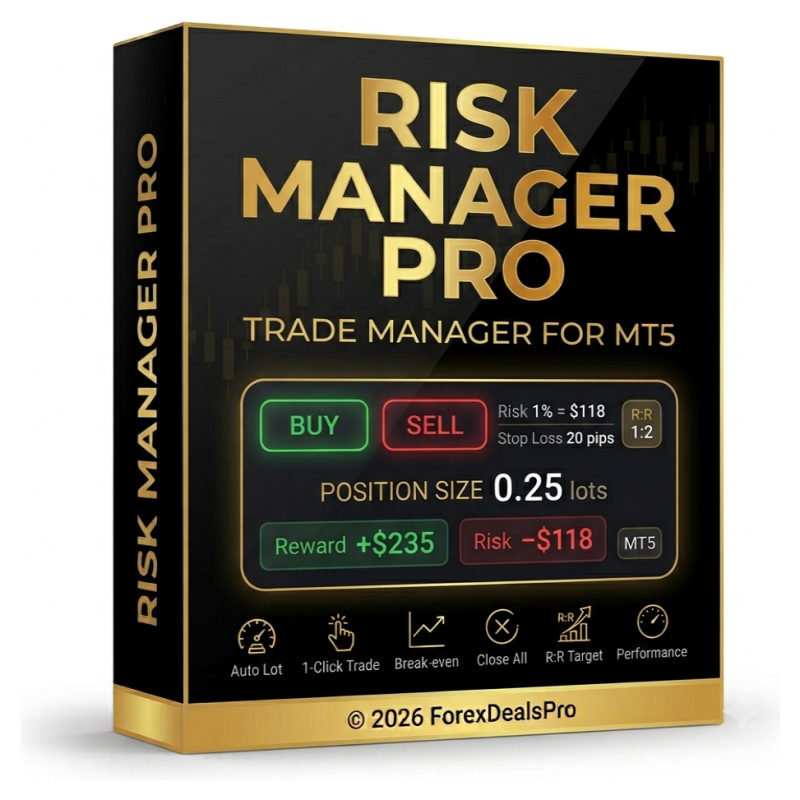
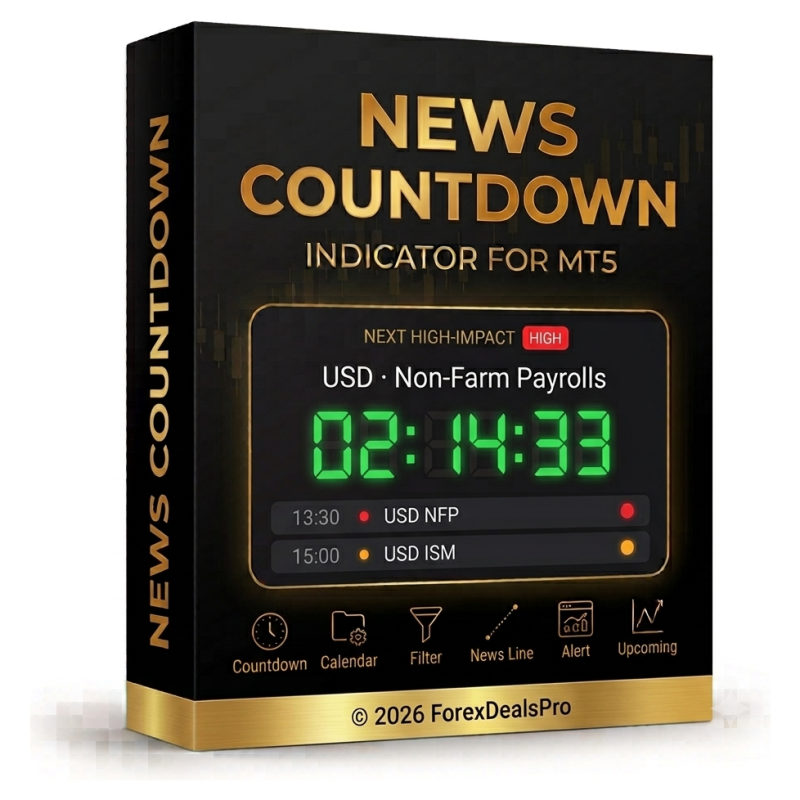
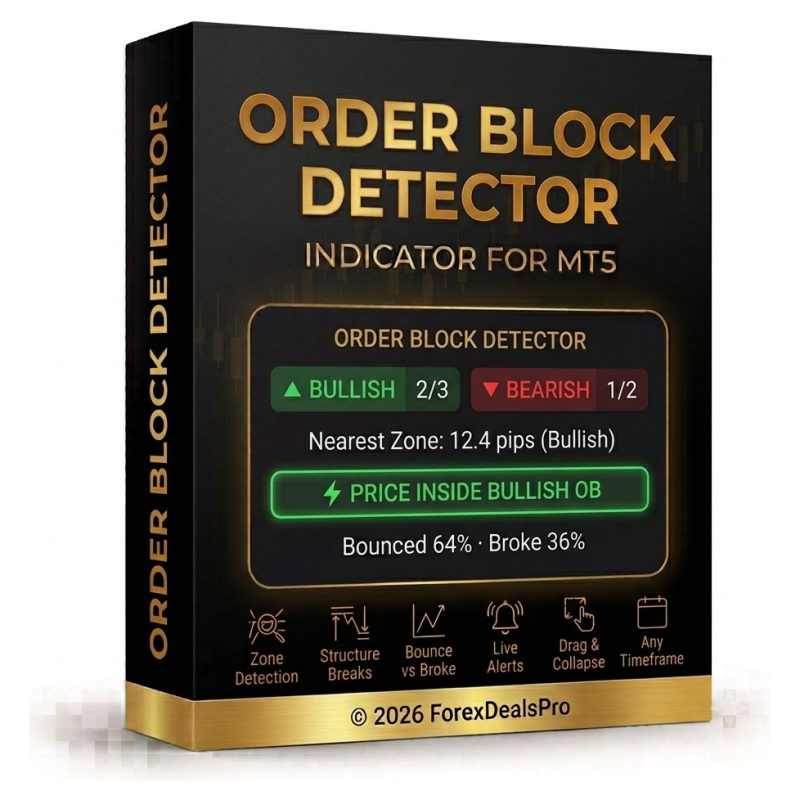
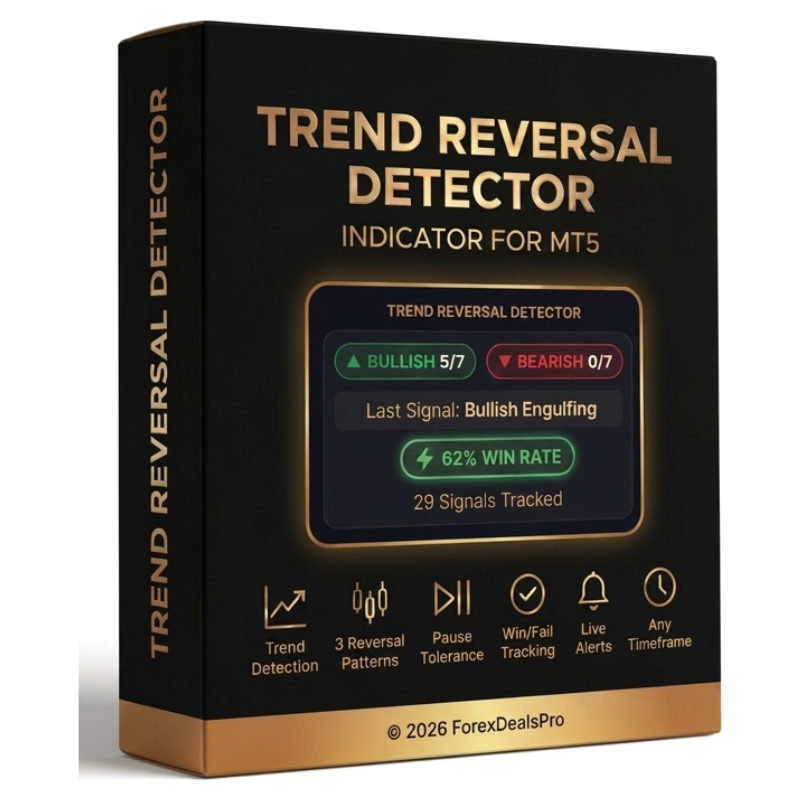
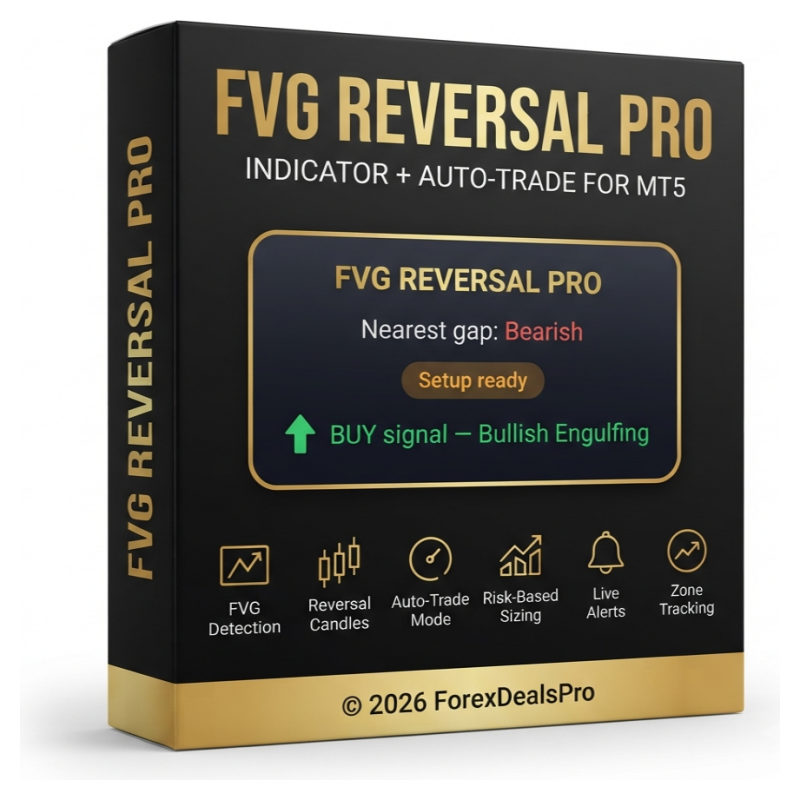
A growing library of professional MT5 indicators and Expert Advisors, built in-house to give you a genuine trading edge — and many are free to download.
Cashback - The Smart Way to Reduce Your Trading Costs
You earn on every trade.
Regardless of the outcome.
Cashback is a rebate paid on the spread or commission of every trade you execute - whether the trade wins or loses. It's the only trading benefit that never depends on market direction. The more you trade, the more you earn back, automatically.
How to start earning



Forex Trading in Latin America 2026: Brazil, Mexico, Colombia & Argentina

Latin America's Retail Forex Markets
Brazil, Mexico, Colombia, and Argentina are four of the Latin American markets we cover most closely, and each one handles retail forex a little differently. If you're new to any of this, our What Is Forex Trading guide covers the basics first.
Many traders in the region use brokers regulated somewhere else, for example in Australia, Cyprus, the UK, or South Africa. So the useful question isn't only "is forex legal here". It's what your own authorities have said about foreign brokers, and what you owe in tax and paperwork when you trade through one. That's how this guide is organised.
A note on tax: based on our research, official sources don't specify how a retail CFD or spot forex profit is classified for tax in these countries. So where we cover tax below, we cover the filing rules, and how your own trades are classified is a question for a local accountant.
Regulation at a Glance
A curated comparison, not an exhaustive legal summary. Each country section below covers the practical detail. Information was checked against each authority's own published pages in October 2026, and rules and warnings can change, so verify current details with the relevant authority before depositing funds.
| Country | Main Authorities | What the Authorities Have Said About Forex/CFD Offers | Tax and Reporting Point to Check |
|---|---|---|---|
| Brazil | CVM (securities); Banco Central (foreign exchange); Receita Federal (tax) | An offer by a firm not registered with the CVM is irregular; residents may invest abroad on their own initiative | Income from investments abroad is declared annually; 15% rate under Lei 14.754 |
| Mexico | CNBV and CONDUSEF (financial supervision); SAT (tax) | A 2018 CONDUSEF alert said forex dealings are not regulated by any Mexican authority | SAT lists exchange gains and derivative income under "demás ingresos" |
| Colombia | SFC (financial supervision); Banco de la República (foreign exchange); DIAN (tax) | Individuals have no SFC authorisation to promote forex; check before sending money | Foreign assets above 2,000 UVT are declared (informative only) |
| Argentina | CNV (securities); BCRA (foreign exchange); ARCA (tax) | Forex is listed among high-risk products on unauthorised platforms; check registration | Residents are taxed on worldwide income; BCRA rules govern buying and sending dollars |
Is Forex Trading Legal in Brazil?
Brazil is the strictest of the four on paper. The CVM, its securities regulator, treats forex contracts as securities, and says an offer is only regular if the firm making it is registered with the CVM (or works through a CVM-registered local firm). An unregistered offer is irregular, and the CVM says the intermediary's conduct can be treated as an administrative and criminal matter[1].
The detail that matters for traders: the CVM's investor alert on CFDs and forex (October 2024 edition) says Brazilian residents can invest abroad on their own initiative, while foreign firms can't actively solicit Brazilians without authorisation[2]. So the target is the offer, not the resident. That's our interpretation of the CVM's wording, not legal advice.
Because the CVM's position can be applied to specific firms, check its current alerts and warnings on the CVM website before you deposit with any broker.
Money and tax. Currency has to move through institutions authorised by the Banco Central[3], and the IOF tax applies to foreign-exchange operations at rates that changed in 2025[4], so ask your bank for the current rate on your transfer. Income from investments held abroad goes in your annual return and is taxed at a flat 15%[5]. Receita Federal says the declaration calculates the tax and generates the payment slip, and that foreign losses can be offset against foreign gains[6]. The Central Bank's separate census only applies once your assets abroad reach US$1 million[7].
Before depositing from Brazil, it's worth checking:
- The CVM's warnings, and which exact legal entity serves residents of Brazil and under which regulator.
- The current IOF rate and bank fees on your transfer. Accounts are typically USD-denominated, so the BRL/USD rate matters too.
- How to declare the income, ideally with an accountant who has handled foreign investments.
Our Brazil broker page has the broker-by-broker detail.
Is Forex Trading Legal in Mexico?
Based on our research, Mexico has no dedicated retail forex rulebook, so the clearest signal comes from CONDUSEF, the financial consumer-protection body. In a 2018 alert it said forex brokers have no authorisation from the Finance Ministry or the CNBV, that dealings with them are not regulated by any Mexican authority, and that it could not defend users in those cases[8]. The alert is eight years old and was about one fraud case, so read it as how Mexican authorities have described the position, not a current ruling. Our research found nothing newer on retail forex.
That doesn't mean holding a foreign account is illegal, and our research found no official text saying so. It means Mexican protections and complaint routes don't follow you there. The CNBV's public register covers the entities it supervises[9], so a broker regulated abroad won't appear in it. Verify the broker on its own regulator's register instead.
Money and tax. Individuals file an annual return, and for 2025 income the window was 1 to 30 April 2026[10]. SAT's guidance lists exchange gains and income from derivative financial operations under "demás ingresos"[11], so ask an accountant how your own trades fit.
Before depositing from Mexico, it's worth checking:
- Which regulator actually supervises the broker's legal entity, on that regulator's own register.
- Whether the CNBV or CONDUSEF has published any warning about the firm.
- How conversion and bank or card charges affect what reaches your trading account.
Our Mexico broker page covers brokers and funding options.
Is Forex Trading Legal in Colombia?
Colombia's supervisor, the SFC, says in guidance updated in June 2026 that individuals have no SFC authorisation to run forex promotions, and tells people to contact the SFC before handing over money and to check whether the firm or promoter is authorised[12]. It publishes a list of the entities it supervises[13]. As elsewhere, our research found no official text making it unlawful for an individual to hold an account with a foreign broker.
Money and tax. The Banco de la República says currency channelled through the foreign-exchange market registers an international investment automatically, and other international investment operations must be registered with a declaration[14]. It isn't clear from the official guidance whether funding a trading account abroad falls under that, so ask your bank how it will classify the transfer. Residents are taxed on income from both Colombian and foreign sources[15], and taxpayers whose foreign assets exceed 2,000 UVT on 1 January file a foreign-assets declaration, which is informative only, with no tax payable on it[16]. DIAN publishes the deadlines each year.
Before depositing from Colombia, it's worth checking:
- The broker's licence on the register of the regulator that actually supervises it.
- With your bank, how the transfer will be treated under the foreign-exchange rules.
- Whether your foreign assets, including the account balance, could pass the 2,000 UVT threshold on 1 January.
Our Colombia broker page lists brokers and funding options.
Is Forex Trading Legal in Argentina?
The CNV's public warning on unauthorised digital platforms lists forex among instruments it calls speculative and high-risk, tells investors to ask whether intermediaries are registered, and notes that platforms based abroad make it harder to make a claim[17]. Its agent register can be searched by name, tax ID, or registration number[18]. Again, our research found no official text saying an individual can't hold an account with a foreign broker.
For Argentine traders the bigger question is usually money. The BCRA's rulebook (version dated 14 September 2026) lets resident individuals buy foreign currency through banks, with conditions: payment from a local account (cash purchases are capped at USD 100 a month), the bank registering the operation and checking that your income or assets support the amount, and a sworn declaration not to buy securities settled in foreign currency for 90 days[19]. Sending foreign currency from a local account to your own account abroad is covered too, with the same declaration[20]. Neither text mentions forex brokers or CFDs, so ask your bank how it will treat a transfer to fund a trading account. The current exchange-rate regime isn't covered here, so check the rate your bank applies.
Tax. Residents pay income tax on worldwide income, with a credit for comparable foreign tax up to a limit, and foreign-source losses can generally only offset foreign-source gains[21].
Before depositing from Argentina, it's worth checking:
- The CNV register and warnings, and the broker's licence with the regulator that supervises it abroad.
- With your bank, which foreign-currency rules apply to your transfer, and whether the 90-day securities declaration affects your plans.
- That you can document where the funds came from, since banks must check this.
Our Argentina broker page covers brokers and funding routes.
What to Look For in a Broker Across Latin America
Whichever of the four countries you trade from, the same short checklist applies.
1. Regulation you can verify. Confirm the exact legal entity holding your account, its regulator, and its licence number on the regulator's own register, not the broker's marketing page. Our Forex Broker Regulation Explained guide walks through it, and our Forex Scam Alert guide shows what unauthorised operators tend to look like.
2. Which entity serves your country. Many brokers run several legal entities. The one that opens accounts for residents of your country, and what its terms say about your country, matters more than the group's headline regulator.
3. Local payment support. Check the broker's own deposit page for a method you actually use, and compare total costs, including bank and conversion fees.
4. Transparent trading costs. Compare spread, commission, swap, and withdrawal fees together. The tightest headline spread isn't always the cheapest once every fee is counted.
5. Platform and leverage that fit your experience. Higher leverage increases both potential gains and potential losses, so pair it with the position sizing in our Forex Risk Management guide. Our forex leverage guide explains how it works.
Choosing a Broker Across These Markets
Four brokers appear on all four of our country pages, each fitting a different priority. They're examples, not a ranking, and the regulators named are the ones each group holds licences with, not an authorisation to serve any particular country. As the Brazil section shows, that is a separate question, so read the broker's terms for your country before opening an account.
XM
Regulated across CySEC, DFSA, FSCA, and the CMA. Commonly picked by traders starting with a smaller amount of capital.
- $5 minimum deposit
- Beginner-friendly account options
- Wide range of educational resources
IC Markets
Regulated under ASIC, CySEC, and the CMA, among others. Popular with higher-volume and algorithmic traders.
- Raw spreads from 0.0 pips
- No minimum deposit
- MT4, MT5, cTrader, and TradingView support
AvaTrade
Licensed across several continents, including the Central Bank of Ireland and ASIC.
- $100 minimum deposit
- Strong built-in education offering
- Broad multi-jurisdiction regulatory coverage
PUPRIME
ASIC and FSCA regulated, among other licences. A lower entry cost for newer traders. It is also a regional sponsor of the Argentine Football Association (AFA), a marketing partnership that says nothing about its regulation, so verify its licence like any other broker.
- $20 minimum deposit
- Copy-trading feature
- MT4 and MT5 platforms
Some traders look for offshore brokers offering more leverage than any of the four above. TradeRise is one example, regulated by the FSA in Seychelles rather than by regulators typically associated with stronger retail investor protections, such as ASIC or CySEC, and offering leverage up to 1:5000. That isn't inherently good or bad, but it's a different risk category, and only useful once you understand position sizing. Our full TradeRise review covers its terms, and our Forex Risk Management guide covers the sizing approach worth having first.
Not sure which fits? Our free Broker Matchmaker tool asks a few questions about your budget and style and points you toward a fit. And to trade around the London and New York overlap, the free Session Highlighter indicator marks those windows on your MT4/MT5 chart.
Plan for Currency Conversion
Broker accounts are typically USD-denominated, so every deposit and withdrawal converts between dollars and your local currency, plus whatever your bank or payment provider charges. The amount that reaches your account can differ from the headline rate you last checked, especially when your currency is moving against the dollar, and it works in reverse on withdrawal. Check the real rate and total cost at the time of each transfer, particularly when comparing a broker's minimum deposit against your local balance.
Key Takeaways
- Brazil is the strictest: the CVM calls an offer by an unregistered firm irregular, while saying residents may invest abroad on their own initiative.
- For Mexico, Colombia, and Argentina, the official material is about unauthorised promotion and verification, not a ban on holding an account abroad.
- Foreign-exchange rules and tax filing can matter more in practice than licensing, especially in Argentina and Colombia.
- Based on our research, official sources don't say how retail forex or CFD profits are classified for tax, so ask a local accountant.
- Always verify the exact legal entity and its regulator on the regulator's own register before depositing.
Final Thoughts
The four countries differ on paper, but the practical lesson is shared. Local authorities mostly care about who is offering these products to residents and whether they are authorised, and the protections of the local financial system generally don't follow you to a foreign broker. That makes independent verification, plus a clear view of the tax and funding side, the best preparation before depositing anywhere in the region.
The country-level detail is on our Brazil, Mexico, Colombia, and Argentina broker pages. And if you're still getting comfortable with the mechanics, our demo versus live account guide explains how to practise first.
Testing a Broker Before You Commit
Some brokers let you get real, live experience with reduced downside before you commit capital you'd mind losing. A no-deposit bonus, such as XM's $30 offer, lets you trade live market conditions without depositing anything yourself. A first-trade protection offer, such as TradeRise's $100 offer, covers your first live trade up to $100 if it doesn't work out, under the offer's stated terms. PUPRIME also offers a 100% deposit bonus, which is a tradable bonus with its own withdrawal conditions, so read the terms for your country before accepting. Our bonus guide explains the difference. Availability depends on the broker's terms for your country of residence, so check those first.
Frequently Asked Questions
There is no single answer. In Brazil the CVM says an offer of forex or CFDs by a firm not registered with it is irregular, while also saying residents may invest abroad on their own initiative. For Mexico, Colombia, and Argentina, the official material warns about unauthorised promotion and urges verification, and our research found no text saying an individual may not hold an account with a foreign broker. Rules can change, so check your authority's current position.
Check the regulator that licenses the broker's legal entity, such as ASIC, CySEC, or the FCA, on its own public register. Then check your own country's warnings: the CVM in Brazil, CNBV and CONDUSEF in Mexico, the SFC in Colombia, and the CNV in Argentina.
Residents of all four countries are taxed on foreign income in some form, with their own filing rules, such as Brazil's annual return and 15% rate for income from foreign financial investments. Our research found no official text on how retail forex or CFD profits are classified, so confirm it with a local accountant. This is general information, not tax advice.
Often yes, but the rules differ. Argentina has specific Central Bank conditions on buying and sending dollars, in Colombia you should ask whether the transfer must be registered, and in Brazil foreign-exchange operations must go through authorised institutions. Payment methods also vary by broker, so check the broker's deposit page.
Most international brokers denominate accounts in USD, so deposits and withdrawals involve a conversion from your local currency. The rate and any fees affect how much of your deposit reaches your account, so factor them in before comparing minimum deposits.
References
References
- CVM (Brazil): Mercado FOREX, qual o posicionamento da CVM a respeito? (updated 16 October 2025): gov.br/cvm/pt-br/acesso-a-informacao-cvm/perguntas-frequente...
- CVM (Brazil): investor alert "CFD e Forex" (October 2024 edition): gov.br/investidor/pt-br/educacional/publicacoes-educacionais...
- Presidency of Brazil: Lei nº 14.286, de 29 de dezembro de 2021 (foreign exchange market): planalto.gov.br/ccivil_03/_ato2019-2022/2021/lei/l14286.htm
- Presidency of Brazil: Decreto nº 6.306/2007 (IOF regulation, consolidated text): planalto.gov.br/ccivil_03/_ato2007-2010/2007/decreto/d6306.h...
- Presidency of Brazil: Lei nº 14.754, de 12 de dezembro de 2023 (taxation of investments abroad): planalto.gov.br/ccivil_03/_ato2023-2026/2023/lei/l14754.htm
- Receita Federal (Brazil): Perguntas e Respostas, tributação de renda auferida por pessoas físicas no exterior em aplicações financeiras (2024 edition): gov.br/receitafederal/pt-br/assuntos/noticias/2024/abril/rec...
- Banco Central do Brasil via gov.br: Declarar Censo de Capitais Brasileiros no Exterior (CBE) (updated 15 December 2025): gov.br/pt-br/servicos/preencher-declaracao-de-capitais-brasi...
- CONDUSEF (Mexico): Alerta CONDUSEF ante fraudes de la empresa Fortis Im Trade (17 July 2018): gob.mx/condusef/prensa/alerta-condusef-ante-fraudes-de-la-em...
- CNBV (Mexico): Padrón de Entidades Supervisadas y Buscador de Entidades Autorizadas para Captar: gob.mx/cnbv/acciones-y-programas/padron-de-entidades-supervi...
- SAT (Mexico): Llama SAT a presentar la Declaración Anual 2025 de personas (24 March 2026): gob.mx/sat/prensa/llama-sat-a-presentar-la-declaracion-anual...
- SAT (Mexico): Conoce el Régimen de los Demás Ingresos que obtengan las personas físicas: wwwmat.sat.gob.mx/consulta/86033/conoce-el-regimen-de-los-de...
- Superintendencia Financiera de Colombia: Tips para no caer en engaños con criptoactivos o forex (modified 11 June 2026): superfinanciera.gov.co/publicaciones/10115326/tips-para-no-c...
- Superintendencia Financiera de Colombia: Lista general de entidades vigiladas (modified 1 September 2026): superfinanciera.gov.co/publicaciones/61694/
- Banco de la República (Colombia): Inversión extranjera en Colombia y colombiana en el exterior (updated 13 August 2026): banrep.gov.co/es/politica-monetaria-cambiaria/regulacion-ope...
- Función Pública (Colombia): Estatuto Tributario (Decreto Ley 624 de 1989), Artículo 9: funcionpublica.gov.co/eva/gestornormativo/norma.php?i=6533
- DIAN (Colombia): Declaración de activos en el exterior: dian.gov.co/impuestos/sociedades/Paginas/declaracion_activos...
- CNV (Argentina): Advertencia al público inversor por el uso de plataformas digitales no autorizadas: argentina.gob.ar/sites/default/files/proyecto_advertencia_v4...
- CNV (Argentina): Registros Públicos de Agentes: cnv.gov.ar/sitioWeb/RegistrosPublicos/Agentes
- BCRA (Argentina): Exterior y Cambios, texto ordenado al 14/09/2026: bcra.gob.ar/archivos/Pdfs/Texord/t-excbio.pdf
- BCRA (Argentina): Comunicación "A" 8417, Exterior y cambios (9 April 2026): bcra.gob.ar/archivos/Pdfs/comytexord/A8417.pdf
- Argentina.gob.ar: Texto actualizado, Decreto 824/2019, Impuesto a las Ganancias: argentina.gob.ar/normativa/nacional/decreto-824-2019-332890/...
Official information checked against each authority's own published pages in October 2026. Where a source is more than a year old, its date is stated in the article. Regulatory status, warnings, and tax rules can change, and nothing here is legal or tax advice, so always verify current details with the relevant authority or a local adviser before depositing funds.
About Us
Your trusted gateway to elite forex deals, broker reviews, and smarter trading.
What We Do
We research, verify, and curate the best broker deals, cashback programmes, and trading promotions available in the market, updated regularly so you always have access to what is current and relevant. Alongside our deals, we publish independent broker reviews built on objective criteria: regulatory standing, trading conditions, platform quality, and client protections.
Who We Are
ForexDealsPro is run by a dedicated team of trading and finance professionals with over a decade of combined market experience. That hands-on knowledge informs everything we publish, from the brokers we feature to the way we explain complex trading concepts in plain language.
We operate as an affiliate information platform. We earn a commission when you open an account through our links, at no additional cost to you. This model allows us to keep the platform free, independent, and focused entirely on trader value.
Our Standards
- We only feature brokers regulated by recognised financial authorities
- Every deal and promotion is verified before publication
- Broker ratings are independent and never influenced by commercial relationships
- Affiliate partnerships are always disclosed transparently
Our Editorial Process
All articles published on ForexDealsPro are thoroughly researched using primary regulatory sources, industry reports, and reputable financial publications, then verified for accuracy before publication. Our editorial team holds combined experience in forex trading, financial analysis, and compliance.